
In the realm of flexible work we have come a long way. What began as a temporary solution during the pandemic has become one of the most significant long-term workplace strategies available to organisations today. More than ever, organisations are experimenting with things like remote work, hybrid models, flexible hours, compressed workweeks and results-based schedules and employees are asking for them.
Flexibility is often sold as a work-life balance benefit. And that is it. But its real impact goes much deeper and impacts employees’ physical health, mental wellbeing, productivity and overall quality of life.
For HR professionals, People & Culture teams and business leaders understanding these health impacts is no longer optional. We need to design policies for the workplace that truly support employee wellbeing and business performance.
What is Flexible Work Arrangement?
Flexible Work Arrangements (FWAs) offer employees more control over when, where or how they work. Examples are typical of home-based work, flexible or condensed workweeks, shift work, and other telecommuting alternatives. The aim is simple: Give employees more freedom but keep the business productive and operations running smoothly.
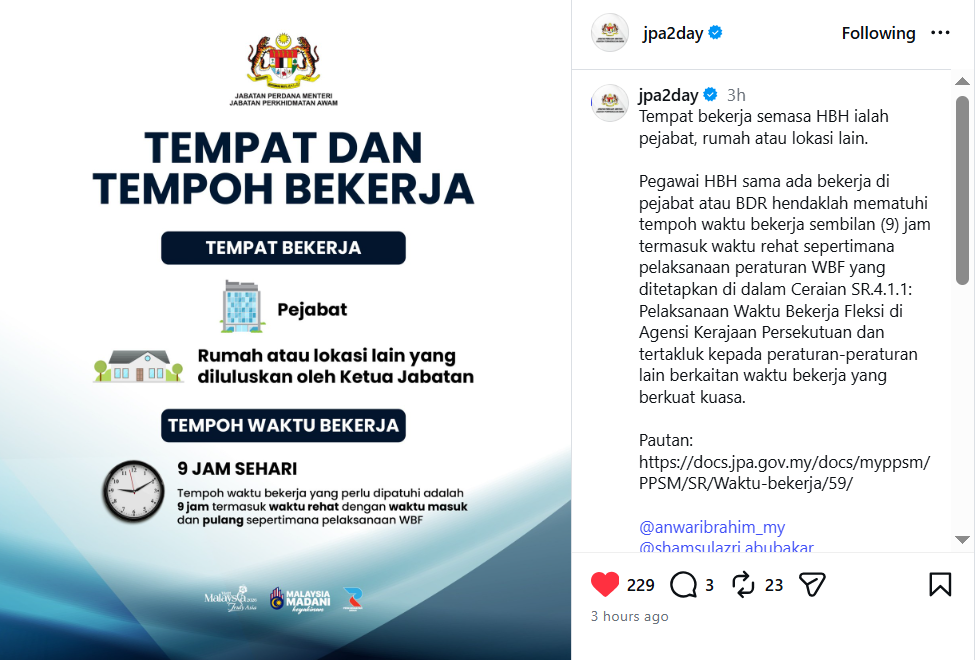
Recently, a significant step forward for a more flexible and contemporary working environment is the recent introduction of a hybrid working arrangement for civil servants in Malaysia. Under this arrangement, eligible civil servants are permitted to work three days in the office and two days from home. The goal of this program is to improve employee well-being and to continue the delivery of high quality and efficient public services.
The hybrid model offers the potential to improve productivity, job satisfaction and employee engagement in general by reducing commuting time and creating more work-life balance. It also supports the government’s digital transformation agenda by encouraging technology-enabled collaboration and performance based on outcomes. As workplaces continue to evolve, hybrid working is a progressive practice that focuses not only on organizational effectiveness but also the wellbeing of the workforce.
1. Reduced Stress Levels
Flexibility eases the strains of daily life. Employees deal with traffic jams, long commutes, childcare and family responsibilities and general time pressure on a daily basis. These flexible arrangements allow them to cope better with these demands, and in turn, to have lower stress levels and better mental wellbeing overall. And when stress is down, focus, engagement and productivity go up.

2. Improved Work-Life Balance
Work-life balance continues to be a high priority for employees everywhere. Flexible schedules allow employees to attend medical appointments, care for family members, find time for regular exercise and just spend more quality time with family and friends. Employees who feel more in control of their time consistently report higher job satisfaction and greater overall wellbeing.

3. Ways to Keep Moving
It can be difficult to squeeze in a workout with traditional 9 to 5 office hours. Flexible arrangements enable a morning workout, a walking break, working out at home, active commuting, and leisure or sport activities. Regular physical activity is good for your heart, helps you manage your weight and lowers your risk for chronic disease and benefits that add up over time.

4. Better Sleep Quality
Long commutes and set schedules are often the cause of sleep deprivation. Flexible work means employees have more scope to rest and recover and that’s more important than people realise. Better sleep leads to better concentration, better mood regulation, better immunity and higher productivity. Even getting 30 to 60 more minutes of sleep a night can have a big impact on your overall health.

5. Less Likely to Infect Others
Remote and hybrid work environments inherently limit the spread of illnesses such as flu, COVID-19 and other respiratory infections. Having fewer people in shared spaces can lead to less absenteeism, fewer outbreaks in the workplace and better business continuity. This advantage was especially apparent during the COVID-19 pandemic and is still valid today.
The secret health price of flexible working.
Of course, flexibility has its downsides too. It’s also interesting to understand the trade-offs, and to design policies that actually work.
1. Rising Sedentary Behaviour
“Without a commute or the organic movement of an office, walking to meeting rooms, chatting by the coffee machine, many remote employees find themselves sitting in longer stretches. This can result in weight gain, bad posture and increased risk of heart disease over time. It is important that employers encourage movement and activity breaks throughout the day.

2. Life-Work Blending
One of the biggest challenges of remote work is knowing when to shut it down. Without clear boundaries, employees may find themselves checking email after hours, working longer days than they intended or feeling like they are “always on.” If left unchecked it can lead to stress, burnout and mental fatigue.

3. Isolation From Society
The office is more than a place to work; it’s a place to connect, collaborate and support one another. Remote employees can feel isolated, less connected to their teams and a weaker sense of belonging. To overcome this, regular communication and intentional team engagement are critical.
4. Poor Home Workstation Setup
Not all employees have an ergonomic home office. Bad workstation setup can lead to neck, shoulder and back pain and eye strain. A good way to reduce these hazards is to provide ergonomic tips and wellness education.
Flexibility is most effective when coupled with a real commitment to employee wellbeing. Routine health screenings enable employees to track key health metrics and catch potential issues early, while virtual and hybrid wellness challenges keep healthy habits top of mind, no matter where employees are working from.
Employee Assistance Programmes (EAPs), wellbeing talks and easily available resources provide mental health support that helps staff deal with stress and increase resilience, while wellness workshops covering topics such as nutrition, sleep and ergonomics equip them with practical tools to make healthier choices.
Team collaboration efforts such as virtual coffee chats and regular check-ins are also critical in helping to keep culture and connection alive across a distributed workforce.

The benefits of flexible work go far beyond individual wellbeing. When organisations get workplace flexibility right, they often see higher employee satisfaction, stronger retention, greater engagement and lower absenteeism, as well as a stronger employer brand and more resilient workforce overall. With workplace expectations evolving, flexibility is fast becoming a real competitive advantage in drawing and keeping top talent.
Flexible work arrangements can dramatically improve employee health through decreased stress, improved work-life balance, better sleep and healthier lifestyle choices. But organisations also need to be mindful of the trade-offs such as sedentary behaviour, social isolation and burnout risk.
The most successful companies view flexibility as part of a bigger wellbeing puzzle, combining it with health screenings, wellness programmes, mental health support and employee engagement initiatives. Organisations that focus on flexibility and wellbeing are not just ticking a box. They work to build workplaces that are healthier, happier and more productive.
At Vealth.me, we help organisations build healthier workplaces through corporate health screenings, wellness programmes, wellness challenges, health talks and employee wellbeing initiatives tailored for modern work environments.
Contact us at 018-959 3957 or just send a message through enquiry form today to learn more about how we can help you with your employee wellness strategy.
For many working adults in Malaysia, it is getting harder to maintain a healthy weight. So why is it that, with a growing awareness of healthy eating and exercise, overweight and obesity rates keep going up?
Obesity is one of the most serious problems of public health in Malaysia. According to the national health statistics, more than 50% of Malaysian adults are overweight or obese.
It's not just about personal health for employers. Weight-related health conditions can affect employee productivity, absenteeism, healthcare costs and overall workplace wellbeing.
Why then are Malaysian workers failing to manage their weight and what can organisations do to promote healthier lifestyles?
Many employees are aware of the importance of maintaining a healthy weight but often struggle to maintain results over time.
It’s not just a matter of eating less and working out more. A number of factors influence it, such as work habits, lifestyle, stress levels and environmental influences.
As work becomes more sedentary, employees are facing more barriers than ever to maintaining a healthy lifestyle.
1. Sedentary Working Environments
One of the major contributors to weight gain in employees is long sitting.
You could be sitting at your desk, in meetings, on the road, on your digital device for 8 to 10 hours a day. Manufacturing supervisors, administrative staff and remote workers can have similar problems.
Living a sedentary lifestyle can:
- Fewer calories burnt
- Sluggish metabolism
- Increase fat deposition in the body
- Raise the risk of illnesses related to obesity
Many employees may exercise for an hour after work but are sedentary during the other 15 hours they are awake during the day.

2. Long hours and hectic schedules
Working hours are long for many Malaysians, and they also have families to look after and long journeys to and from work.
Consequently, healthy habits are frequently sacrificed.
Common behaviours are:
- Skipping meals
- Eating at night late
- Dependence on fast food
- Missed exercise sessions
- Not getting enough sleep
It’s harder to live a balanced life when convenience is the priority.
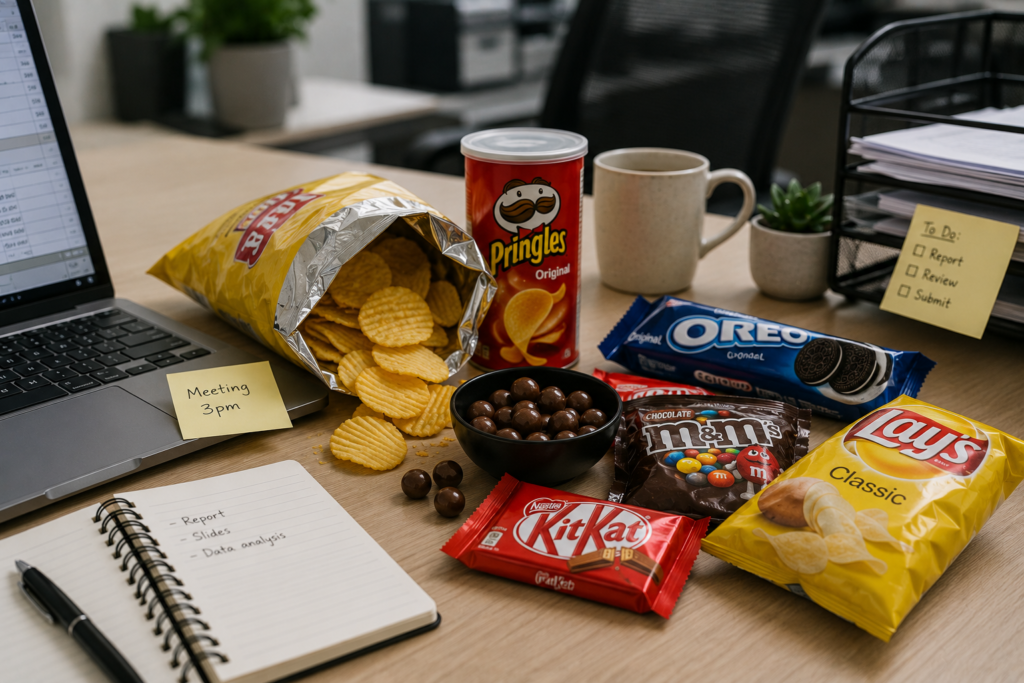
3. Ready availability of high calorie foods
Malaysia is famous for its diversity and richness of food culture.
Calorie-dense foods, from nasi lemak and roti canai to bubble tea and late-night mamak sessions, are readily available and woven into the fabric of everyday life.
Many workplaces also contribute to unhealthy eating habits by:
- Normal festivities
- Office treats
- Sugary drinks
- Meetings catering
- Holiday gatherings
Occasional indulgence is fine, but constant overconsumption can slowly lead to weight gain.
4. Stress at work and emotional eating
Stress is a big factor in controlling your weight. Many people turn to food in times of work pressure, deadlines and personal issues.
Stress can cause:
- Increased craving for sweet foods
- Emotional eater
- Lack of motivation to exercise
- Bad sleep quality
Chronic stress can make it even harder to maintain a healthy weight over time.
5. Low-Quality Sleep
For many people trying to manage their weight, sleep is the missing piece.
People who regularly get less than seven hours of sleep a night could be at risk of:
- More hungry
- More cravings
- Lower energy levels
- Delayed post-exercise recovery
This may make it even more difficult for shift workers and employees working irregular hours, whose sleep patterns are already disrupted.
6. No personalised health information
Many employees don’t know their true health status.
Some people may look healthy on the outside but have underlying problems such as:
- Elevated body fat percentage
- High Cholesterol
- Pre-diabetes
- Hypertension
- Fatty liver disease
If employees do not have regular health screenings, they may not know they need to change their lifestyle until symptoms appear.
7. Unrealistic Goals for Weight Loss
Many people expect quick results from diet or exercise programs.
If expectations are not met, motivation usually drops.
To manage your weight sustainably, you need:
- Consistent healthy eating habits
- Regular exercise
- Sleep enough
- How to Handle Stress
- Sustainable behaviour change
Quick fixes rarely create lasting results.
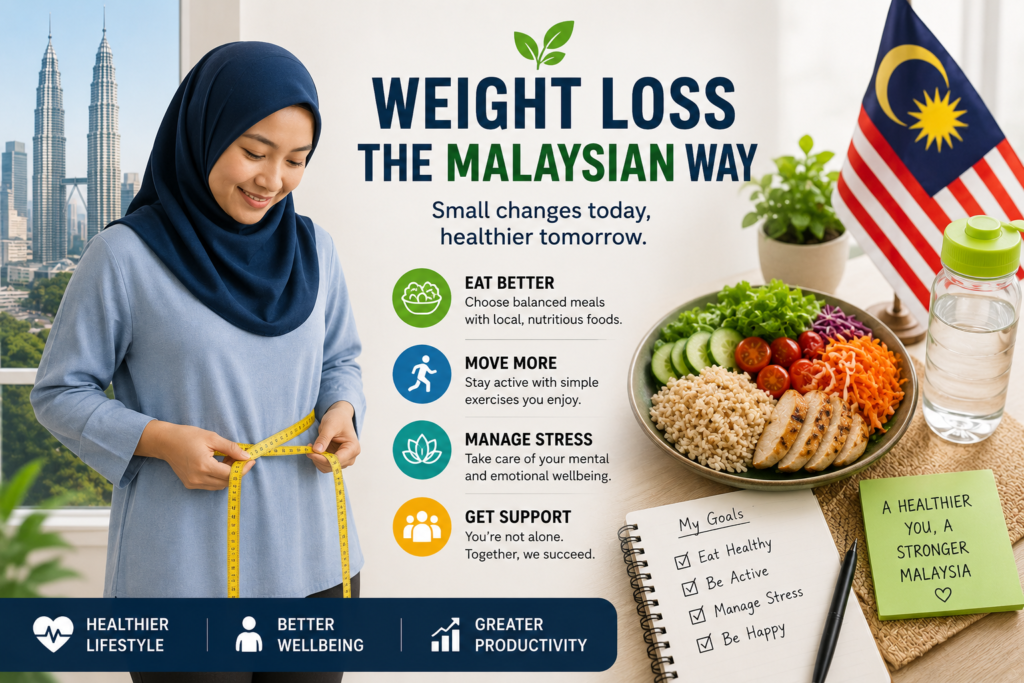
Poor weight management is not only an employee problem but an organisational problem as well.
Research has shown that excess weight and obesity are associated with:
- Increased Medical Costs
- Higher absence rates
- Lower Productivity
- Additional Health Risks: Being obese raises your chances of getting: Type 2 diabetes, high blood pressure, heart disease, high blood cholesterol, musculoskeletal disorder and many more.
These conditions can impact the wellbeing of the workforce and the long term sustainability of the business.
Encouraging employees to exercise is not sufficient to create a healthier workforce.
Successful organisations have a holistic wellness strategy, including:
a) Corporate health checkup
Health screenings give employees the chance to learn about their health risks and where they can improve before serious health conditions develop.
b) Nutrition Education
Workshops and health talks can assist employees to make informed food choices and develop healthier eating habits.
c) Wellness Challenges
Gamified wellness programs are also a great way to encourage engagement and create fun around healthy behaviours.
d) Physical Activity Programs
Step challenges, fitness classes, and active workplace campaigns can support employees to get more daily activity.
e) Continued Support
Long-term coaching and wellness interventions tend to be more effective than one-off activities.
Reach out to us today to find out how we can help you meet your employee wellness goals!
A Corporate Health & Workplace Wellness Guide for Employers
Ramadan is an important month for Muslim employees, marked by fasting, reflection, and spiritual growth. For employers in Malaysia, it is also a good time to strengthen their corporate health strategy and show inclusive leadership. Companies that support their employees during Ramadan often see higher engagement, loyalty and morale.
According to the Ministry of Health Malaysia, Malaysia continues to face rising rates of obesity, diabetes and hypertension that eventually lead to chronic diseases. A proactive wellness program helps employees stay productive and healthy. During Ramadan, changes in eating patterns, hydration and sleep cycles can affect:
All these are important aspects that can affect work performance. Making sure your employees can maintain their productivity during Ramadan and work as normal days. Here is what companies can do to support employees during Ramadan:
Fasting employees may experience fatigue, especially in the late afternoon. Being flexible shows understanding and helps keep the business running smoothly. Companies can support by:

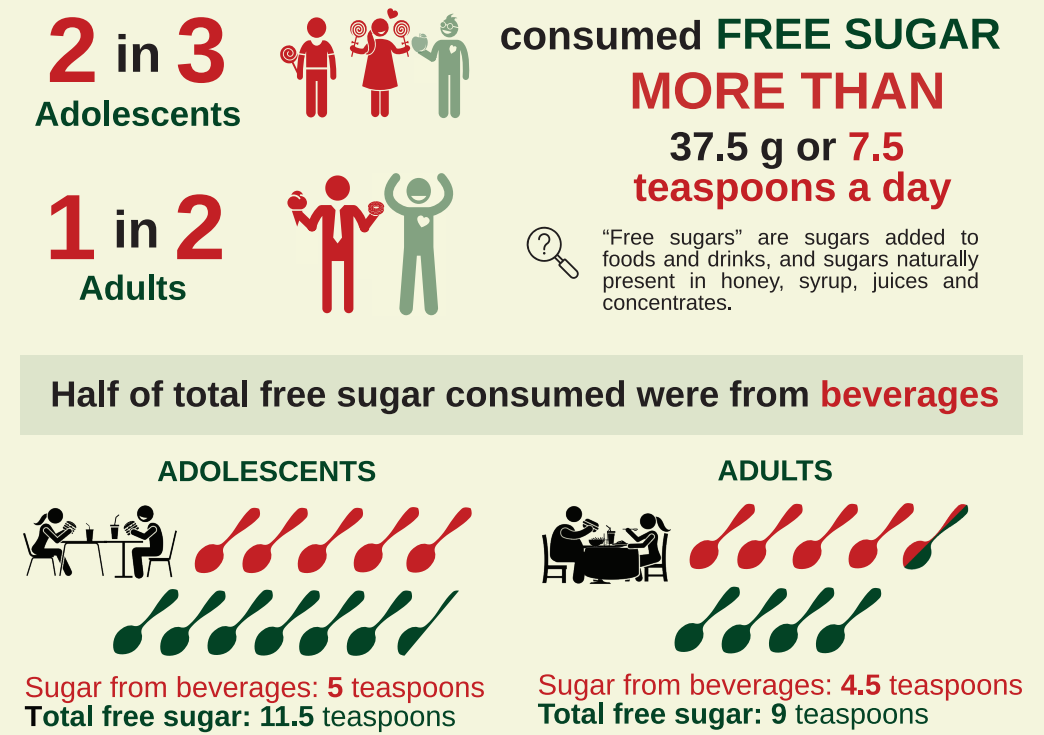
Malaysia has one of the highest sugar consumption rates in Southeast Asia. Consuming excessive sugar intake can lead to weight gain and induce diabetes. It is vital for everyone to be aware of consequences if they consume excessive sugary drinks or snacks when breaking the fast. During Ramadan, employers can:
These steps help build a healthy workplace culture and support national health goals.
Corporate companies can organise a Corporate Wellness Program during Ramadan. Fasting doesn't mean the employer should stop any workplace activities. It is actually the best time to conduct it and ensure your employees can enjoy their Ramadan as well. A well-planned corporate wellness program during Ramadan can include:
Even small efforts can make a big difference in employee engagement.

Ramadan is spiritually meaningful, but balancing work, family and worship can be demanding. Showing care for employees can boost morale and help keep staff such as companies can:

Ramadan is spiritually meaningful, but balancing work, family and worship can be demanding. Showing care for employees can boost morale and help keep staff such as companies can:

It is important to ensure workplace safety, especially for physical roles, by monitoring heat exposure, allowing additional rest breaks, and adjusting heavy lifting tasks for manufacturing, construction, and field-based employees. Keeping the workplace safe is a key part of looking after employee health.
It is important to ensure workplace safety, especially for physical roles, by monitoring heat exposure, allowing additional rest breaks, and adjusting heavy lifting tasks for manufacturing, construction, and field-based employees. Keeping the workplace safe is a key part of looking after employee health.
Adding health checks to your wellness program before Ramadan can help lower health risks during the fasting month.
Ramadan is more than a religious month but it is an opportunity for company. It is also a chance to strengthen employee trust, promote healthier habits and reinforce inclusive workplace culture to reduce long-term health risk. Companies that focus on employee well-being during Ramadan build stronger and more resilient teams.
Supporting employees during Ramadan is more than just a policy. It shows what leaders value. A well-planned health strategy during Ramadan shows empathy and a long-term commitment to employee well-being.
Healthy employees help build sustainable organizations.
When people think of wellness activities, they often assume it’s expensive or time-consuming. But the truth is, wellness can be as simple as taking time to relax your mind or release stress and it doesn't have to take more than a few hours. This is the perfect opportunity to reconnect with yourself after a long, stressful day at work. Consider it a quick escape for your busy mind. Here are 10 wellness activities you should try in Kuala Lumpur:
No. 1 : Relaxing and Rejuvenating Spa

Getting a massage is a wonderful way to release physical tension and calm your mind. A spa environment promotes inner peace, especially with aromatherapy. Sessions can last up to 120 minutes, and prices can be as affordable as under RM100 per session at places like Erawan Wellness or Qi Odyssey.
No.2 : Batik Painting

Batik painting is not only a cultural experience but also a mindful activity that encourages creativity and emotional release. It’s an uplifting way to spend your time. You can try a session at Pasar Seni, with prices starting as low as RM30.
No.3: Yoga or Pilates

Joining a yoga or Pilates class is a great way to restart your health and wellness journey. Many studios are available right in the heart of KL. Group classes also provide a chance to connect with like-minded individuals, you might even make new friends to accompany you in your next session.
No. 4: Forest Therapy & Hiking

To feel refreshed, nothing beats connecting with nature. Hiking is a great way to break a sweat and release endorphins, the “happy” hormones. For beginners, Taman Tugu is a good start.
Other trails like Bukit Gasing, Bukit Broga, and Bukit Kiara offer intermediate challenges. If you’re up for a more advanced climb, try Gunung Nuang or Klang Gates Quartz Ridge (Bukit Tabur).
No.5 : Walk or Stroll in the Park

Walking is a free, underrated wellness activity that helps both the body and mind. Here are some parks in KL easily accessible by public transport:
No.6 : Karaoke for Healing

It may sound like just entertainment, but singing is proven to improve emotional health. Music and singing help release dopamine and endorphins and natural feel-good chemicals that can lift your mood. Whether you sing alone or with friends, karaoke can be a fun and effective form of stress relief.
No.7 : Tufting Workshop

Tufting-making your own rug or art piece and is a hands-on, trendy activity that brings both creativity and satisfaction. It’s a great way to focus your energy and create something unique with your own hands.
No. 8: Mindfulness & Breathwork Workshops

Guided breathwork and mindfulness sessions help calm the nervous system, reduce anxiety, and improve focus. Look for studios or wellness centers in KL offering weekend workshops or drop-in classes.
No.9 :Weekend Wellness Retreats

Escape the hustle of the city with a weekend retreat focused on yoga, clean eating, and digital detox. Places like Beacon Resort, The Dusun, Titi Eco Farm, or The Acres Resort offer packages perfect for a short getaway.
No. 10 : Join a Weekend Wellness Group

You might not know this, but platforms like Meetup and Eventbrite host communities with shared wellness interests.
From walking clubs to book circles and yoga groups, you’ll find free or low-cost activities that promote mental well-being. Joining such communities can reduce stress, combat loneliness, and even ease symptoms of depression.
Deepavali is a time of joy, vibrant gatherings, and of course, an abundance of delicious sweets and snacks. But if you’ve ever felt sluggish, bloated, or exhausted after indulging in too many murukku, laddu, or jalebi you’re not alone.
The good news? You don’t have to skip the treats to feel your best. With a few smart strategies, you can enjoy the festivities while keeping your energy stable and avoiding that dreaded sugar crash.
Why Do Sweets Make You Feel So Tired?
When you eat sugary treats on an empty stomach, your blood sugar spikes rapidly, followed by a sharp drop. This rollercoaster leaves you feeling:
- Sluggish and fatigued
- Hungry again soon after
- Mood swings and irritability

Ways to Enjoy Deepavali Sweets Without the Crash
1. Eat Sweets After a Balanced Meal
- Fiber and protein can slow sugar absorption
2. Choose Whole Grains and Legumes
- Swap white rice for brown rice or quinoa
- Add lentils, chickpeas, or beans to meals
3. Stay Hydrated
- Avoid sugary drinks
- Try: Cinnamon infused water and Unsweetened herbal tea (ginger, lemon tea)
4. Move After Eating
- A 10- minutes walk after meals helps lower blood sugar spike
Your Deepavali Challenge
This year, try:
1. Eating a fiber- rich meal first before sweets
2. Pairing every sweets with nuts or yogurt
3. Taking a short walk after big meals
Vealthme here wishing you a joyful, energized Deepavali! ✨
References:
https://pmc.ncbi.nlm.nih.gov/articles/PMC9736284/
https://www.ncbi.nlm.nih.gov/books/NBK279012/
https://timesofindia.indiatimes.com/life-style/health-fitness/diet/5-simple-tips-to-enjoy-diwali-sweets-without-spiking-blood-sugar/articleshow/114654048.cms
https://true-elements.com/blogs/blogs-by-nutritionists/celebrate-a-no-sugar-healthy-diwali?srsltid=AfmBOoqax-kw-Aa6aGzCes7uIXFQMFHQxlzeszAt_D_TKVR9V0c7FcLl
Malaysia’s monsoon season brings more than just heavy rains – it often comes with sniffles, sluggishness, and cravings for unhealthy comfort food. But did you know your diet can make or break your immunity during this damp, chilly period?
Here’s what to eat (and avoid) to stay energized, flu-free, and feeling your best all season long!
Foods That Boost Immunity

1. Citrus Fruits (Lime, Calamansi, Orange)
- Packed with Vitamin C, which strengthens your immune system by supporting white blood cell function and acting as a natural antiviral. Studies show it helps your body produce virus-fighting interferons.
2. Ginger
- Contains gingerol, a powerful compound with antibacterial and antiviral properties. It also reduces inflammation and may help regulate blood sugar.
3. Broccoli
A nutrient powerhouse with vitamins C and E, fiber, and antioxidants that could help with infections.
4. Garlic
Known for its antimicrobial and antiviral properties. Regular garlic consumption may reduce cold frequency and severity.
Foods That Weaken Immunity

1. Processed Foods
High in sugar, salt, and unhealthy fats that could suppress immune function, and most of the time they lack essential nutrients
2. Caffeine (Excess Coffee)
Dehydrates you and disrupts sleep – both critical for recovery
3. Spicy Foods
Can irritate sore throats and worsen congestion
4. Alcohol
Weakens immunity, dehydrates, and interferes with medications
5. Sugary Snacks and Drinks
Sugar cripples white blood cells, increasing the possibility of infections
6. Fried Foods
Promotes inflammation and slows digestion, making it harder to fight illness
Key Takeaways!!!
Eat More: Fresh citrus, ginger, garlic, and greens for immune support
Avoid: Processed, sugary, fried, or overly spicy foods that will slow down recovery
References
https://www.researchgate.net/publication/326668193_High_Dose_Intravenous_Vitamin_C_and_Influenza_A_Case_Report
https://pmc.ncbi.nlm.nih.gov/articles/PMC7644455/
https://www.frontiersin.org/journals/pharmacology/articles/10.3389/fphar.2022.899181/full
https://pmc.ncbi.nlm.nih.gov/articles/PMC6465033/
https://pmc.ncbi.nlm.nih.gov/articles/PMC7434784/#sec4
https://www.healthline.com/health/what-to-eat-when-you-have-the-flu#foods-to-eat
Recently, the government announced a 5% Sales and Services Tax (SST) on selected imported food items, effective 1st July 2025. This sparked concern among many Malaysians about what they’ll be able to afford or consume moving forward.
Before panic sets in, let’s clarify the situation. Essential daily items such as rice, refined sugar, cooking oil, books, and medicines will remain tax-free.
What Imported Goods Will Be Taxed Starting 1st July?
According to a spokesperson from the Ministry of Finance (MOF), the 5% SST only applies to imported goods, primarily imported fruits, not local ones. The explanation is simple: locally grown fruits are not considered “imported” or “manufactured” under customs definitions, so they are exempt from this new tax.
This tax policy is part of an effort to protect local agriculture, reduce import dependency, and encourage support for domestic farmers and food producers.
Any fruit grown outside Malaysia will be taxed, including:
It’s all about making smarter choices and supporting local producers:
Switch to local alternatives:

Instead of imported bananas or pineapples, try Malaysian-grown pisang berangan, honey pineapples (nanas madu), or local jackfruit (nangka). These are equally nutritious, often fresher, and now more affordable.
Support local farmers:

Buying Malaysian produce helps sustain the local economy and reduces your carbon footprint.
Buy seasonal produce:

Local fruits in season are cheaper and taste better and high nutritional value!
Limit premium imports:
Save high-end imports like salmon or truffle mushrooms for occasional treats rather than everyday essentials.
Of course, certain fruits like apples, mandarin oranges, grapes, and kiwis can’t be grown locally in large quantities due to climate limitations. These items may still be worth purchasing occasionally, but now with more conscious spending.
While the 5% tax may seem like a burden, it’s actually an opportunity for Malaysians to reconnect with local food culture, eat fresh, and support homegrown industries.
Choosing local is not only budget-friendly, it’s also a step toward a more sustainable and resilient food system.
Hari Raya is a time when all of our family members and relatives visit each other, and the most essential thing in any celebration is food! When food is good, you might have a lot of choices, and the tendency to overeat is higher than on the usual day. From rendang to ketupat, kuih raya and all festive desserts, you might lose control from mindful eating! But, who says you can't enjoy all these without feeling guilty about staying fit and fabulous during Hari Raya?
There's a way to manage this, and what you need to do is just eat smart and feel great throughout the celebration days!
But how do you achieve this?
We know that Hari Raya foods are irresistible, but that does not mean that you have to fill up your plate and consume all the delicacies! Remember, the portion is the key, and do follow our Healthy Meal Portion which is "Suku-suku Separuh" method:
By balancing your meals, you get to enjoy all foods in moderation without being bloated and guilty. It's recommended to take small portions and go for a second round only if you're still hungry.

If you want to stay healthy during Hari Raya, you must be the one who initiates it. Be the host who serves healthier festive food and be different! Let your guests enjoy delicious food but at the same time pack with nutrition. We know that you might want to try Kharul Aming recipes, but let's make a few changes and make it healthier for your guests.

Here are examples of the modifications you can do to prepare your Raya dishes:

Don't forget to drink 8 glasses of water daily to stay refreshed and keep your skin glowing. Drinking higher amounts of high-sugar drinks can get your body dehydrated and feel sluggish. Thus, opting for plain water is the best choice to get enough hydration and also helps you to overeat during Raya.
Once a year, to have kuih raya and yes, kuih raya is tempting, but they’re often high in sugar and fat. Instead of munching on cookies non-stop while chatting with your relatives, be mindful of your intake:

We know that you want to consider it as a cheat day during celebrations. But to stay fit, you must stick to the routine and discipline. Staying fit doesn’t mean skipping celebrations. You can burn off the extra calories by:

If you know you’ll be visiting multiple houses, pace yourself by:
When you understand how to celebrate the festive season without feeling guilty about your diet, we believe that you are now able to blend your healthy lifestyle into every occasion. Remember, looking stylish this Raya isn’t just about the outfit only; it’s also about feeling good inside and out!
When you eat well, stay hydrated, and stay active, you’ll naturally radiate confidence and look amazing in your festive outfits!
What do you think when people talk about stress test?
Some people might think that it’s about mental stress, on how to cope with life problems, and most people are stressed out about financial, workplace and family problems.
Let’s us correct the misconception of stress test.
Actually, it’s not about mental stress at all. It’s about our physical health test. Stress test is a part of medical check-up, it’s a test that shows our heart works during physical activity. This test only can be done in hospital settings under a close doctor’s supervision.
What do we do during stress test?
Patient will run on a treadmill, and patient’s heart rate will be assessed during this test. How the process works? As your body works harder during the test, it requires more oxygen and as a result, our heart must pump more blood to cope with the oxygen capacity needed throughout the activity. This test can show if the blood supply is reduced the arteries that supply the heart.
Why this test is important?
This test might be a excellent test to diagnose certain heart problems such as:
It’s absolutely nothing about mental health! It’s about our physical health!
As for mental health issue, we do have test that is specifically created to assess our mental health status such as DASS test. DASS test is Depression, Anxiety, and Stress which is completely different from Stress Test that many people imagine.
Get something today?
Do contact us now, if do you wish the get a stress test or medical checkups or even DASS test for your company! We are one-stop medical and health provider that will help you!
