Haze returns to parts of Malaysia each year as the dry season sets in. Visibility decreases, throats become scratchy, and the HR teams begin to answer questions:
Should staff work from home?
Do we have to distribute masks?
What are we really responsible for?
For companies in Malaysia, haze is more than a nuisance. It’s a workplace health issue, and one that a well-run corporate health programme should anticipate long before the Air Pollutant Index (API) starts to climb.
This guide shows you what HR teams and business owners need to know, and how to build haze preparedness into your corporate wellness program.
Why Fog Is A Threat To The Health Of Workers?
Haze is made up of fine particulate matter (PM2.5 and PM10) which can get deep into the respiratory system. Short-term exposure can lead to eye irritation, sore throats, coughing, runny noses and skin itching. It can cause much more serious attacks in people with asthma, heart disease or other long-term illnesses.
The impact on business is also real: more sick leave, lower concentration and productivity, and higher medical claims. Protecting your people during haze protects your bottomline.
Know Your Numbers
Malaysia’s API Levels Malaysia’s Department of Environment communicates air quality through the Air Pollutant Index (API):
0-50: Great
51-100: Moderate
101-200: Unhealthy
201-300: Very unhealthy
301 and above: Perilou
The Ministry of Health (MOH) and the Department of Occupational Safety and Health (DOSH) link workplace actions to these bands. Here’s what that looks like in practice.
At medium levels (51-100): Get started early. Identify activities that could be reduced outdoors, Educate employees on health hazards from haze, Ensure adequate supply of N95 respirators, Fit test outdoor staff.
Unhealthy (101-200): DOSH guidance indicates that strenuous outdoor work should be minimized when the API exceeds 100. Outdoor workers should wear N95 respirators, and more vulnerable staff should be moved, when feasible, to indoor work.
Above 200: No heavy work outdoors should be done and earthwork may have to be stopped.
At the hazardous end (400 and above): Don't work outside.
What Employers Owe?
Under the Occupational Safety and Health Act 1994 (OSHA), employers have a general duty to provide a safe working environment and DOSH’s haze guidelines spell out what is expected in practice.
The baseline for HR teams should be as follows:
- Check the API daily during haze season using the official readings from the Department of Environment.
- Determine outdoor work that can be minimized, rescheduled or moved indoors.
- Stockpile N95 respirators before the need arises, not when the shelves are empty.
- Build a haze communication system so that employees learn API levels and company decisions fast and clear.
- Protect vulnerable employees, especially those with heart or respiratory conditions who are generally advised to stay indoors during haze.
Getting The Masks Right
Not all masks are the same. A loose 3-ply surgical mask is not very effective for fine haze particles. The MOH recommends N95 respirators, but they must be worn properly to be effective. That’s why fit testing matters. That’s why handing out a box of masks isn’t enough.
Note also that MOH guidance says N95 respirators are not appropriate for pregnant women or children. Pregnant employees should limit their exposure outdoors and work in filtered indoor air instead of depending on a mask.
Protect Indoor Air Quality, Too Haze doesn’t stop at the office door.
Practical steps include closing windows and doors, servicing air-conditioners and changing filters, and considering air purifiers in shared spaces during periods of heavy haze. Showing your employees you care about their health is a small investment.
Make Haze Part of Your Corporate Health Program
The companies that handle haze best don’t see it as a one-off emergency. They turn it into a year-round approach for corporate health in Malaysia. This is how HR can do it:
1. Develop a written haze policy.
Define API trigger points and the action at each level: Masks, adjusted hours, work from home options and restrictions on outdoor work Employees are more likely to trust decisions when they are based on clear and consistent rules.
2. Screen before the season.
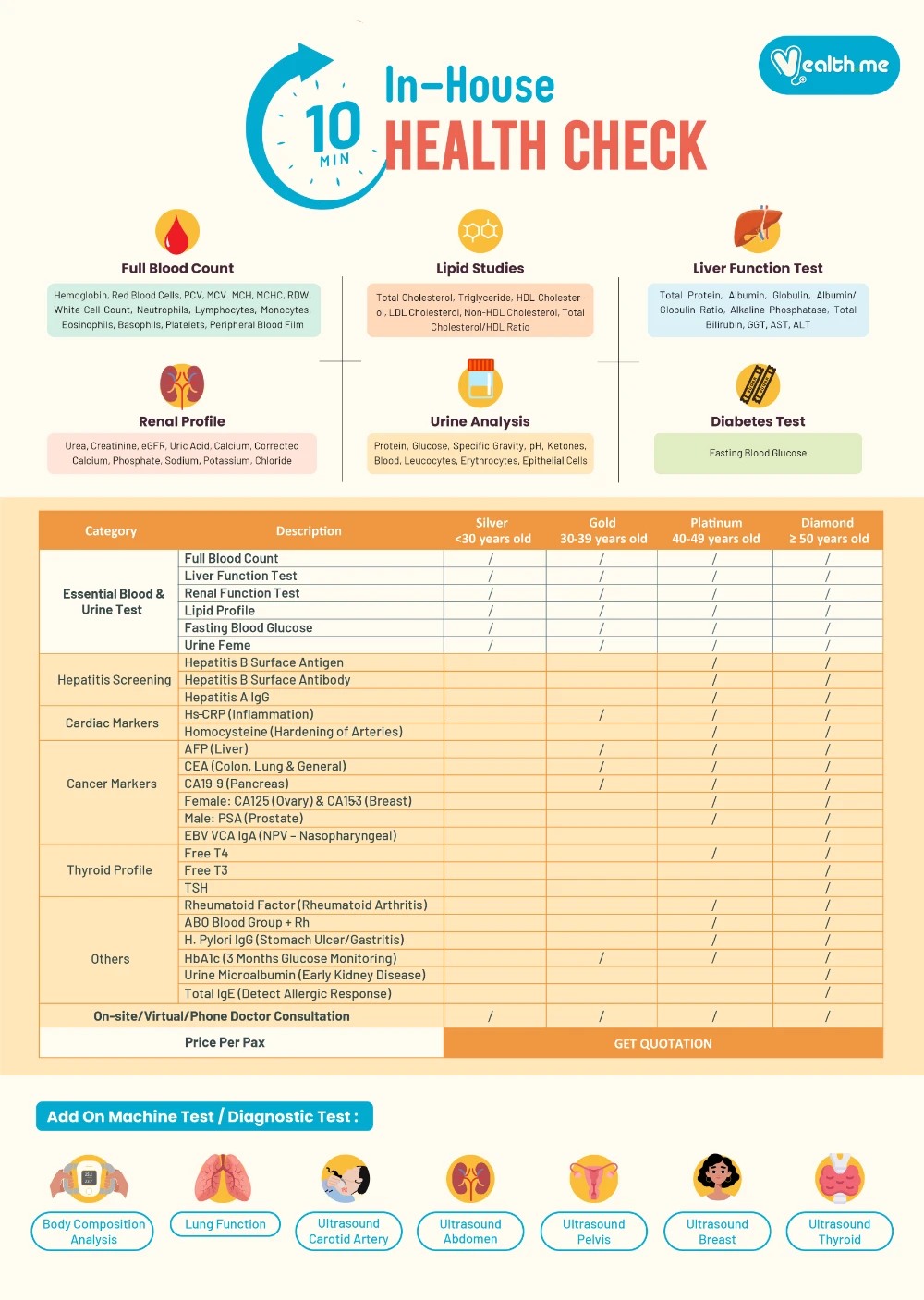
A pre-haze health screening may identify employees with asthma, chronic respiratory conditions or cardiovascular risk who may require additional protection. Routine screening also gives you baseline data to work with, which is a nice fit with an annual corporate wellness program.
3. Be flexible.
Where possible, offer work-from-home or flexible-hour arrangements on unhealthy API days to reduce exposure and maintain productivity.
4. Educate your team.
Short toolkits or talks about how to spot the symptoms of haze, how to use masks and when to seek medical help are very useful. Ensure staff are aware that ongoing breathing difficulties, chest pain or worsening asthma require an urgent review by a doctor.
5. Think about respiratory vaccination.
Flu and pneumococcal vaccination can help reduce the risk of respiratory complications during haze season, especially for older employees or employees with chronic conditions. Setting up a corporate vaccination day is simple and staff appreciate it.
6. Promote mental wellness.
Long haze can mean weeks of limited outdoor activity, and disrupted routines. But acknowledging that and giving support keeps morale steady.
HR’s Simple Haze Checklist
- Written haze policy, with API trigger points
- Monitored daily on the API under this name
- N95 stock & fit testing for outside staff
- List of employees at risk and plan to support them
- Flexible work arrangements on stand by"
- Open communication channel to all personnel
- Pre-season health check and vaccination opportunities
Be Ready Before the Air Turns Gray
Haze will continue to return to Malaysia, so the real question for HR is not if it will happen but if your company is prepared when it does. Clear policy, the right equipment and a proactive corporate health program protect your people, reduce sick leave and show employees they are valued.
Vealth.me helps Malaysian companies to create practical corporate wellness programs like pre-season health screening, on-site vaccination and employee health talks.
Contact us now to discuss a haze-ready health plan for your team.
This article is for general informational purposes only and is not intended as medical or legal advice. For current requirements, please refer to the latest DOSH and Ministry of Health guidance.