
Working in a corporate office setting all day with limited physical movement can be exhausting and can lead to various health issues, such as carpal tunnel syndrome, tendinitis, trigger finger, muscle strains, and especially lower back injuries. These problems often occur when workers maintain the same posture for extended periods or engage in repetitive, awkward motions that put pressure on their bodies. To alleviate these issues, ergonomic solutions such as adjustable chairs, ergonomic keyboards, and other workplace arrangements and products are designed to increase comfort and productivity, reduce the risk of injury, and prevent wear and tear on the body.
Ergonomics is crucial because it helps prevent symptoms of fatigue, discomfort, or pain caused by factors such as awkward posture, poor workstation design, repetitive motion, or exposure to extreme temperatures. Ignoring the initial signs of these issues can lead to the development of musculoskeletal disorders over time. By implementing ergonomic solutions, individuals can reduce their risk of experiencing these problems and promote a healthier, more productive work environment.
Implementing ergonomics in the workplace offers numerous advantages, such as reducing the risk of discomfort and pain for employees by improving their posture and reducing muscle strain. Additionally, ergonomic improvements can increase worker productivity and reduce the cost of injuries by minimizing compensation claims. As a result, implementing ergonomics can help to reduce absenteeism and create a more comfortable and productive work environment for employees.
Ergonomic solutions are designed to relieve the body of stress and promote more comfortable and healthy working conditions. For example, workers can avoid awkward bending postures by using extension handles to pick up items and using higher back chairs with lumbar support and support under the legs. In a corporate office setting, workers can adjust their chairs and computer workstations to fit their bodies comfortably and keep frequently used items within easy reach.
Additionally, workers can reduce neck strain by avoiding holding the phone with their neck and instead using headphones and keeping their body in a natural position. By implementing these ergonomic solutions, workers can reduce their risk of discomfort and pain, and create a more productive work environment.
As Vealthme is one of the health and wellness providers in Malaysia, our corporate wellness program also offers webinars on ergonomic health topics. These health talks are conducted by our partnered certified chiropractor. Through these sessions, we aim to create greater awareness among corporate employees and implement ergonomic solutions.
Hari Raya Aidilfitri is a time of celebration and togetherness, but it can also be a time of indulgence and unhealthy eating habits. To maintain a healthy lifestyle during this festive season, it's important to make mindful choices when it comes to food.
Here are some tips on how to eat healthy during Hari Raya Aidilfitri:
1️⃣ Eat in small portions sizes or quantities
Eating in small portions is a healthy habit that can benefit us in many ways, especially during festive seasons like Hari Raya. One of the main advantages of eating in small portions is that it can help us to control our portion sizes and prevent overeating. During Hari Raya, it is common to be surrounded by an abundance of delicious foods and drinks that can be tempting to indulge in excessively. By eating in small portions, we can still enjoy the festive treats without going overboard and feeling bloated or uncomfortable afterward
2️⃣ Choose low-calorie foods
Choosing low-calorie food during Hari Raya can help maintain a healthy diet and prevent excessive weight gain. It is essential to choose foods that are nutrient-dense, which means they provide a lot of nutrients for relatively few calories. Opt for fresh fruits, vegetables, and whole grains that are naturally low in calories but high in fiber, vitamins, and minerals. Avoid deep-fried and high-fat foods such as serunding, ketupat, and rendang, as they are typically high in calories and saturated fat. Instead, choose dishes that are grilled, boiled, or steamed, such as grilled chicken or fish, boiled vegetables, and steamed rice.
3️⃣ Choose high-fiber foods
Choosing high-fiber foods is a smart choice during Hari Raya as they help you feel fuller for longer, which can prevent overeating. Some good high-fiber options include whole grains such as brown rice, oatmeal, and quinoa, as well as vegetables like broccoli, carrots, and sweet potatoes. These foods also tend to be lower in calories than other options like fried foods and sugary snacks, which can help you maintain a healthy weight during the festive season. Additionally, high-fiber foods are beneficial for digestive health and can help regulate blood sugar levels
4️⃣ Limit the intake of sweet and fatty foods such as dodol
One way to limit the intake of sweets and fatty foods is to practice portion control. Instead of filling up on large portions of rich foods, try to eat smaller amounts and savor the flavors. Additionally, drinking plenty of water can help to fill up the stomach and reduce the urge to overeat. Another way to limit the intake of unhealthy foods is to choose healthier alternatives.
5️⃣ Choose fresh fruits as snacks or desserts
Choosing fresh fruits as snacks or desserts during Raya is a great way to indulge in something sweet and healthy at the same time. Fresh fruits are great choices as they are low in calories, high in fiber, and packed with vitamins and minerals. These fruits are also a great source of hydration, which is especially important during the hot and humid weather of Raya season. Other healthy snack options include nuts and seeds, like almonds, cashews, and sunflower seeds, which are high in healthy fats, protein, and fiber.
6️⃣ Limit the intake of high-salt foods
Hari Raya is a time for celebration and feasting, and traditional snacks like kerepek pisang and kerepek ubi are often enjoyed during this festive period. While these snacks are delicious, they are often high in calories, salt, and fat. As such, it is important to consume them in moderation and balance them out with healthier options.
One way to limit your intake of high-calorie snacks is to practice portion control. Instead of eating a whole bag of kerepek pisang, try to limit yourself to a small handful at a time. You can also choose to share a bag with friends and family to avoid overindulging.
7️⃣ Drink plain water instead of carbonated or sweetened drinks
Drinking plain water is always a great choice for staying hydrated during festive occasions like Raya. Carbonated drinks and sugary drinks such as soda, energy drinks, and fruit juices may contain high amounts of sugar and calories, which can be detrimental to your health if consumed in excess.
Not forgetting, we are happy to provide you with a list of Kuih Raya and their respective calorie counts as well as the KKM Guideline to eat during Hari Raya so that you can make informed choices during Raya!
In conclusion, Hari Raya Aidilfitri doesn't have to mean sacrificing your healthy eating habits. By following these simple tips, you can enjoy the festive season while still maintaining a balanced and nutritious diet.
Happy Hari Raya Aidilfitri!
Makan Secara Sihat di Hari Raya - PDF
According to the World Atlas Obesity 2023 report, Malaysians are at risk of adult and child obesity by the year 2035. It has been predicted that 41% of Malaysians will be obese, which will have a significant impact on their health and well-being.
However, some people believe that losing weight quickly is better. People are convinced that losing weight quickly is a great personal achievement and will motivate them to work harder towards their goal. Is this a myth or a fact? As the number one corporate wellness provider in Malaysia, we are fortunate to be able to offer certified dietitians who can provide further information on this topic.
Based on our corporate wellness programs, our corporate dietitians suggest two effective ways in losing weight. Control your calorie intake and be physically active in order to achieve calorie deficit. Weight reduction journey can be very challenging and requires great willpower. The key to success for steady weight loss is to lose weight gradually, rather than drastically.
Therefore, it is important to set realistic goals and aim for a healthy weight loss of 0.5-1 kilogram per week. This is because such a range for reduction is an achievable and sustainable weight loss target. Cutting 500-1000 calories from usual consumption can help to achieve 0.5-1 kg of weight loss.
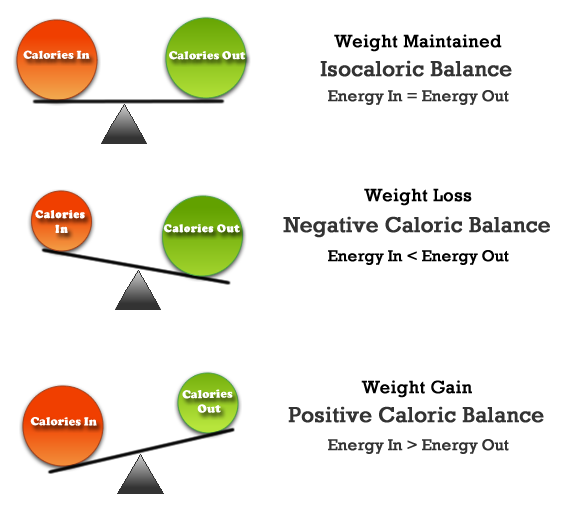
Calorie deficit can be achieved when we consume fewer calories than our body requires or by increasing our physical movements to burn more calories. In order to consume fewer calories, one can try to reduce consumption of sugary drinks, avoid eating fried foods or change cooking methods to steam, sautéed, roasted and soupy base.
According to studies, losing weight drastically through a starvation method is never a good option. It can lead to a number of consequences. As such, muscle loss, nutrient deficiency, low metabolism rate and rebound weight gain. In conclusion, losing weight gradually at a rate of 0.5-1.0kg/week is considered a healthy and sustainable approach. It allows our body to adjust to the changes, minimizes the risk of muscle loss and nutrient deficiencies, and promotes long-term weight management.

Having breakfast and lunch at work is almost as essential as getting a good night's sleep. Did you know that the food choices you make during the workday can impact your productivity? Many busy professionals opt for quick meals on-the-go or just coffee in the morning, but how does this affect their overall day? According to research, unhealthy eating habits and physical inactivity can lead to a loss of productivity, which may result in absenteeism or presenteeism due to a lack of motivation at work.
Working in a corporate office all day can be draining, as we often sit in a fully air-conditioned environment and move very little. Additionally, office workers often bring heavy meals that can leave them feeling sluggish and sleepy, especially after lunch. That's why making healthy food choices at work is crucial to one's daily life.
To promote a healthy lifestyle in the workplace, corporate workers should learn about the types of diets that work best for the brain. Fortunately, our corporate wellness program offers certified dietitians who can provide more information about nutrition. Research shows that certain foods can enhance brainpower, boosting brain strength and memory. Instead of packing the same old meals to work, try incorporating these brain-boosting foods into your diet!"
1. Fatty Fish - Fatty fish is an excellent source of omega-3 fatty acids, which can sharpen your mind and improve your mood. Omega-3s are an essential type of fat that the body cannot produce, but needs to obtain from whole foods for building blocks of the brain. Some examples of fatty fish that you can include in your meals are salmon, sardines, mackerel, anchovies, and many more!
2. Coffee - Coffee contains two powerful nutritional properties: caffeine and antioxidants. These components help to increase alertness, improve mood, and sharpen focus. For healthy adults, coffee can be consumed in moderation, with up to three to four cups daily and a maximum intake of 400 milligrams of caffeine.
3. Blueberries - Blueberries can be a delicious snack to have in the office. You can add them to cereals, yogurt parfait, or enjoy them on their own. Blueberries are packed with antioxidants, which are the key component in delaying brain aging and improving memory.
4. Broccoli - Broccoli is a great vegetable choice that is easy to prepare. You can eat it raw, blanched, sautéed, steamed, or roasted. Broccoli contains numerous powerful compounds, including vitamin K, which is linked to better memory and good cognitive status.
5. Eggs - Eggs are a good source of protein and a great option for corporate workers. They are rich in vitamins B and choline, which support memory and brain development.
By incorporating these brain-boosting foods into your meals, you can improve both your health and brainpower. So why not change your norm and pack your lunch with these healthy options? If you're looking for healthier recipes and resources, visit our website and drop your details to learn more about our corporate wellness programs!
It’s Ramadan month now, a holy month for all Muslim people! That means it is time for them to fast from suhoor until dawn!
Is it possible to conduct a corporate wellness program?
Yes it is!
Fasting during the holy month of Ramadan can have a significant impact on the health and wellbeing of Muslim employees.It is important for companies to consider implementing corporate wellness programs that are suitable for the fasting month to support their employees during this time. Here are some corporate wellness program ideas that are suitable for the fasting month of Ramadan:
Employers can offer wellness program activities that follow flexible working hours during the month of Ramadan to accommodate their employees who are fasting. This can help employees to manage their energy levels, time and wellness activities more efficiently.
Employers can provide corporate wellness programs to their employees with education on healthy eating habits during Ramadan. Nutritional counseling or nutrition health talk can help employees to make informed choices about what to eat during non-fasting hours and how to maintain a healthy diet during the month.
Fasting can be a challenging time for employees, and it can lead to increased stress levels. Employers can offer stress management programs to help employees to manage their stress levels and maintain their productivity.
Employers can offer corporate wellness programs that include physical activity programs during non-fasting hours to help employees maintain their physical health during the month. This can include activities such as yoga, stretching, or other low-impact exercises.
Fasting can also impact the mental health of employees, and it is important for employers to provide support in this area. Employers can offer counseling or other mental health support services to help employees manage any emotional challenges they may face during the month.
In short, implementing a corporate wellness program that is suitable for the fasting month of Ramadan can help employers to support their Muslim employees during this time. By providing suitable corporate wellness program ideas during Ramadan can help employees to maintain health and wellbeing throughout the month of Ramadan.
Happy Ramadan to all Muslims!
Physical activity is essential for maintaining good health and overall wellness. Regular exercise can help prevent chronic diseases such as heart disease, diabetes, and certain types of cancer. Physical activity also helps with weight management, improves mental health, and enhances cognitive function. Despite these benefits, many people lead sedentary lifestyles and do not get enough exercise.
Encouraging employees to be more active is an important part of promoting a healthy workplace culture. Physical activity has numerous benefits for overall health and wellness. As we know, physical activity is also important for mental health. Exercise releases endorphins, which are natural mood-boosters. Regular exercise can help reduce symptoms of depression and anxiety. It can also improve sleep quality, which is essential for overall health and wellness.
In addition to these benefits, physical activity can also improve cognitive function. Exercise has been shown to improve memory, attention, and decision-making skills. It can also reduce the risk of cognitive decline in older adults.

Encouraging employees to be more active is an important part of promoting a healthy workplace culture. Here are some strategies for promoting physical activity in the workplace:
Physical activity is essential for maintaining good health and overall wellness. Encouraging employees to be more active is an important part of promoting a healthy workplace culture. Now, employers can help promote physical activity in the workplace and improve the health and wellness of their employees.
If you are looking for on-site exercise sessions that are conducted by a professional/certified fitness trainer or corporate wellness program for your employees, do contact us now to explore more on this! Let's create a healthier workplace for employees.
Employees are important assets to any company, and ensuring their good mental and physical health keeps them in a good position to perform well. Employee’s health and wellness typically have a direct impact on a company's productivity and profits. Many employers recognise this and are willing to invest in corporate wellness programmes for their employee welfare.
A corporate wellness programme is a planned and coordinated programme that aims to improve employee's wellbeing. A corporate wellness programme may also support emotional, social, and spiritual wellbeing of the employees.
On-site medical check-up, weight management, stress management, exercise and wellness assessments are common activities in corporate wellness programmes that are intended to help employees to improve their physical health, eat better, and lose weight.
Employee health checks are the responsibility of every company. Yearly corporate health screening events are effective in increasing employee productivity. Indeed, we can see that happier and healthier employees take fewer medical leaves, ultimately improving business performance.
Weight management programmes can have a major impact on the lives of team members as well as the net earnings of a company. A recent study conducted by Dr. Michaud of the University of Nebraska Medical Centre on a weight management programme implemented on employees at the University of Minnesota discovered that participants felt an improvement in their quality of life. Furthermore, the programme was effective in reducing the university's health-care costs.
The workplace is stressful regardless of position or industry, with demanding clients, colleagues, and managers, as well as deadlines, sales, and budgets. As an HR professional, you must understand how stressful it is. The American Institute of Stress reveals, 80% of the workforce experiences job stress, and roughly half of all working individuals require assistance in dealing with this stress.
Most corporate employees are preoccupied with their work and slowly start to neglect their health, resulting in health problems. So, wellness assessment is vital to maintain employee wellness and ensure the business operates efficiently. According to one study published in the Journal of Occupational and Environmental Medicine, employees who exercised moderately produced higher quality work and performed better at work than those who did not exercise.
Now, you already have an idea about what is suitable for your company! Remember health is wealth, your employees need it!
Contact Vealth.me For More Info

