
Ramadan is a time for reflection and it also gives everyone a chance to reduce their weight through fasting, as it is considered to kill 2 birds in 1 stone. However, conducting it in a healthy way is what many people miss out on every Ramadan; as a consequence, they gain weight instead.
Before we go deeper into the topic, let’s discover why it is important for everyone to gain awareness of weight issues in Malaysia.
Weight loss is more than just looking good. It is an important public health issue. According to the Ministry of Health Malaysia, Malaysia has one of the highest obesity rates in Southeast Asia.
National surveys show:
Even Malaysia’s Prime Minister, Dato' Seri Anwar Ibrahim, has publicly encouraged Malaysians to reduce sugar consumption, especially in drinks, to combat rising diabetes and obesity rates.
As obesity and diabetes rates rise in Malaysia, everyone has an important role in encouraging healthier habits for a healthier nation. To lose weight, reducing food intake is the first step, and Ramadan is the best month to start for Muslims. However, for those who are not fasting, you can make it a challenge to try fasting, even as intermittent fasting.
Yes, but without the right guidance, many people end up gaining weight instead.

Here are common challenges during Ramadan:
Fasting during Ramadan is similar to intermittent fasting. If you control your calorie intake, your body will start using stored fat for energy.
But eating too many calories at night can stop your body from burning fat.
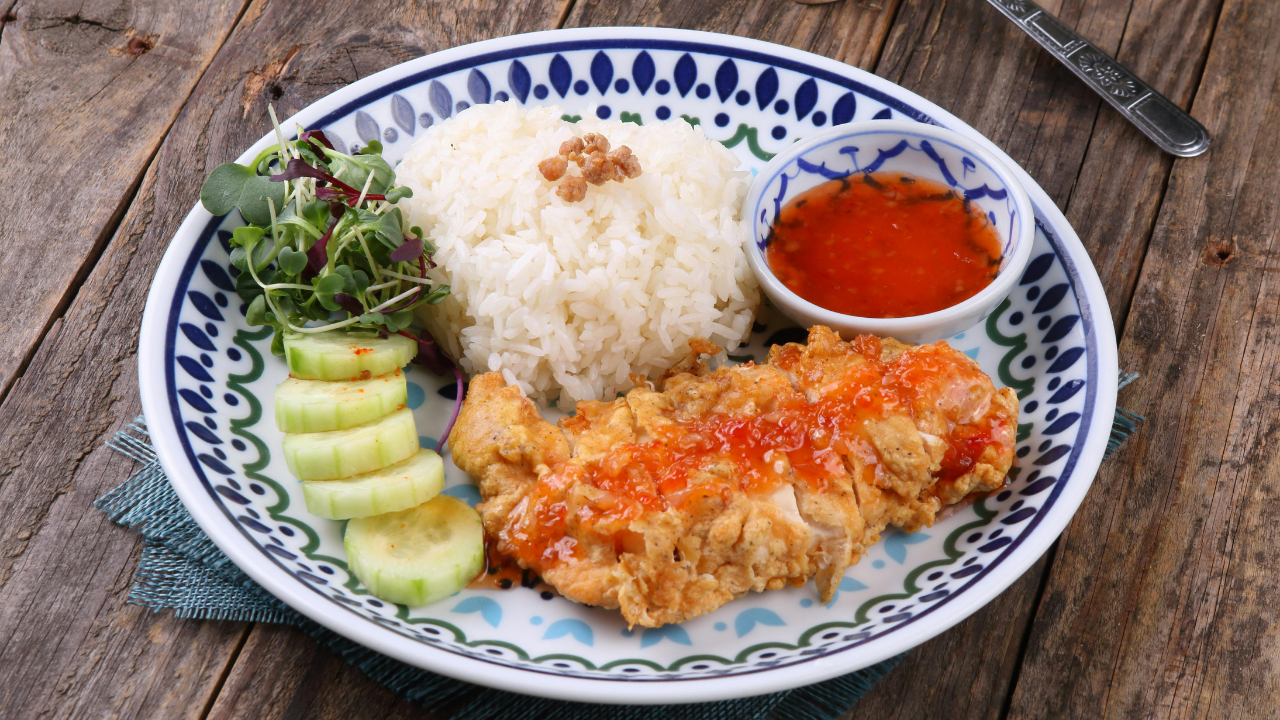
If you skip sahur, you are more likely to have cravings and overeat later in the day.
For sustainable weight loss during Ramadan, include these in your Sahur in Suku-Suku Separuh portion ( 1/4 of Carbohydrate, 1/4 of Protein and 1/2 of Vegetables in your plate):
This helps keep your blood sugar steady and prevents sudden fatigue.

Sweet drinks are popular at Ramadan bazaars in Malaysia, but these liquid calories are a major cause of weight gain. To support weight loss:
Keep in mind always practice portion control by following Suku-suku Separuh Guideline!

Try to drink 2 to 2.5 liters of water between iftar and sahur. Dehydration can lead to:
Choose plain water or unsweetened drinks instead of sweetened ones.

Best timing:
Other suitable activities are strength training such as lunges, squats and planks. You can also do stretching or yoga during Ramadan
Staying active helps you keep your muscles while you lose fat.
If you have these:
Talk to your doctor before trying to lose weight while fasting. Weight loss during Ramadan should be slow and steady, not extreme weight loss, not Just the scale that everyone should focus on Healthy weight loss during Ramadan should aim for:
Crash dieting may lead to muscle loss and a slowed metabolism which is not good for your body and might lead to weight gain instead. Crash diet can cause you to lose muscle and slow your metabolism. Instead of buffet excess, sugary drinks daily and late-night overeating, shift towards healthy choices such as mindful eating, sugar reduction, balanced meals and regular movement during Ramadan.
These changes support Malaysia’s national effort to fight obesity and diabetes. By reducing sugar intake, controlling portions, and maintaining activity, a fasting month can nourish our bodies and the important thing is helping us to reduce our weight.
What do you think about your diet intake during Ramadan?
Malaysia’s monsoon season brings more than just heavy rains – it often comes with sniffles, sluggishness, and cravings for unhealthy comfort food. But did you know your diet can make or break your immunity during this damp, chilly period?
Here’s what to eat (and avoid) to stay energized, flu-free, and feeling your best all season long!
Foods That Boost Immunity

1. Citrus Fruits (Lime, Calamansi, Orange)
- Packed with Vitamin C, which strengthens your immune system by supporting white blood cell function and acting as a natural antiviral. Studies show it helps your body produce virus-fighting interferons.
2. Ginger
- Contains gingerol, a powerful compound with antibacterial and antiviral properties. It also reduces inflammation and may help regulate blood sugar.
3. Broccoli
A nutrient powerhouse with vitamins C and E, fiber, and antioxidants that could help with infections.
4. Garlic
Known for its antimicrobial and antiviral properties. Regular garlic consumption may reduce cold frequency and severity.
Foods That Weaken Immunity

1. Processed Foods
High in sugar, salt, and unhealthy fats that could suppress immune function, and most of the time they lack essential nutrients
2. Caffeine (Excess Coffee)
Dehydrates you and disrupts sleep – both critical for recovery
3. Spicy Foods
Can irritate sore throats and worsen congestion
4. Alcohol
Weakens immunity, dehydrates, and interferes with medications
5. Sugary Snacks and Drinks
Sugar cripples white blood cells, increasing the possibility of infections
6. Fried Foods
Promotes inflammation and slows digestion, making it harder to fight illness
Key Takeaways!!!
Eat More: Fresh citrus, ginger, garlic, and greens for immune support
Avoid: Processed, sugary, fried, or overly spicy foods that will slow down recovery
References
https://www.researchgate.net/publication/326668193_High_Dose_Intravenous_Vitamin_C_and_Influenza_A_Case_Report
https://pmc.ncbi.nlm.nih.gov/articles/PMC7644455/
https://www.frontiersin.org/journals/pharmacology/articles/10.3389/fphar.2022.899181/full
https://pmc.ncbi.nlm.nih.gov/articles/PMC6465033/
https://pmc.ncbi.nlm.nih.gov/articles/PMC7434784/#sec4
https://www.healthline.com/health/what-to-eat-when-you-have-the-flu#foods-to-eat
