
Some client stories stay with you. This is one of those.
We first approached SSD Group Holdings Sdn Bhd to look at corporate health and wellness support opportunities. We have been following the group for a while and have always admired their work, so it was a pleasure to meet their HR and management team.
But then we heard something that really moved us.
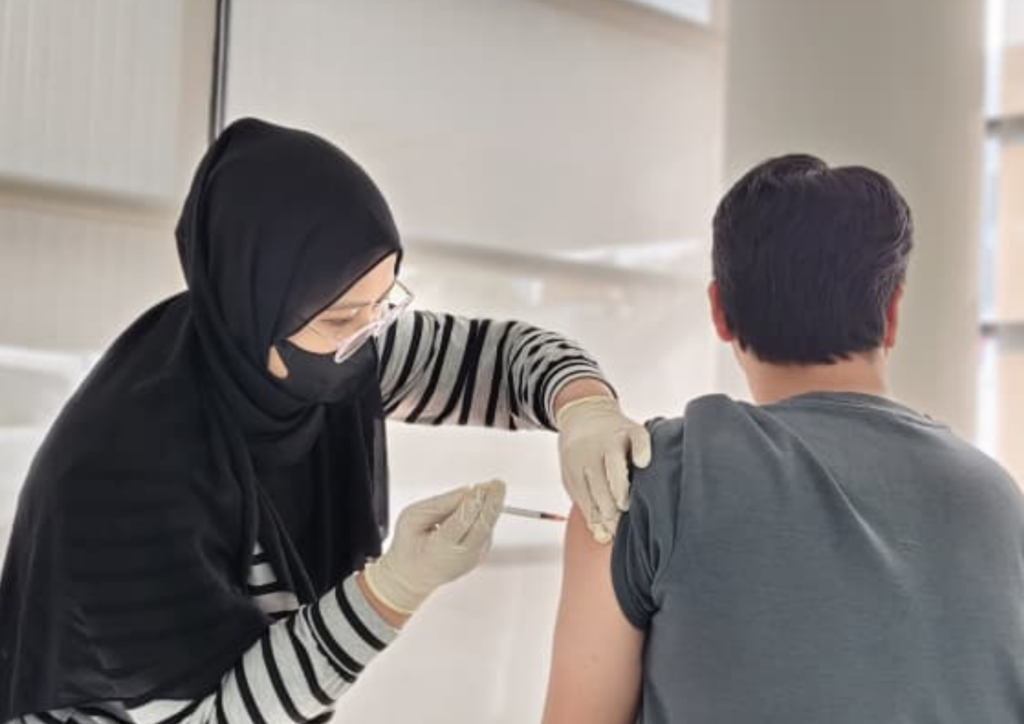
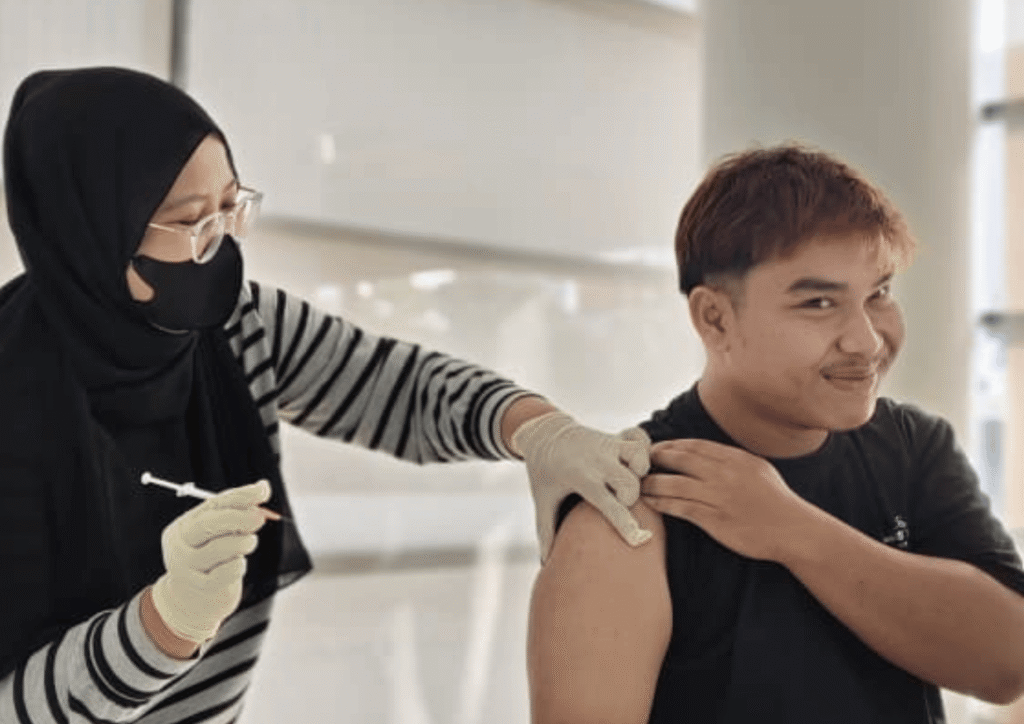
At the end of August 2026, SSD Group will getting 22 of their employees ready for an Umrah journey and the company wanted to ensure that their staff were well protected before they left.
Their solution was simple, but meaningful. The company fully sponsored meningococcal ACWY vaccination & fully sponsored all 22 employees travelling for Umrah.
That’s when what had been a conversation about corporate wellness became very personal.
At Vealth.me we work with companies all the time on corporate health and wellness programs.
But times like these serve as a reminder that employee wellbeing extends beyond medical benefits, health talks or simply ticking a box for compliance.
It’s about knowing what matters most to your people and helping them when it matters most.
For SSD Group Holdings, the decision to sponsor the vaccinations was not just about helping employees meet a travel requirement. It was a way of backing an important spiritual landmark in their lives.
But the company didn’t stop there, they also gave employees time off to make the journey. They invested in getting their people ready for it safely.
22 employees in a one trip and a company that made sure their people were taken care of before leaving.
This is what real employee care looks like in the real world.
And sometimes it’s the small things that employees remember for a very long time.
For Jemaah coming from Malaysia, the meningococcal ACWY vaccine is a major entry requirement to Saudi Arabia for Umrah.
Some important points for Jemaah to remember are:
Who wants that?
Meningococcal Vaccine: All Jemaah of 1 year and above must meet the requirement.
When should I be vaccinated?
The vaccination must be given at least 10 days prior to entry to Saudi Arabia. This is why vaccination should not be put off until the last minute.
How long does it last?
Depending on the type of vaccine and current Saudi requirements, the certificate may remain valid for some years. Jemaah are reminded to always check the latest requirements prior to travel.
Why is this important?
Umrah and Hajj are crowded environments attracting millions of Jemaah from all over the world. This opens the door for contagious diseases to spread. Vaccination helps to protect the individual pilgrim and also helps to protect the wider pilgrimage community.
What about documentation ?
Jemaah should check that they have the correct vaccination documentation/certificate, including vaccine details and date of vaccination, as this may be requested on their journey.
For anyone preparing for Umrah, getting the vaccination sorted out early is one less thing to worry about.
It is worth highlighting what SSD Group Holdings has done as it to show how employee benefits can be meaningful when linked to the real lives of employees.

It was a good reminder of why we do what we do at Vealth.me.
Healthcare is more than simply treating someone when they’re sick. Sometimes it’s about being there before the journey begins – helping people prepare, protect themselves and travel with greater peace of mind.
To SSD Group Holdings Sdn Bhd & 22 employees on their Umrah journey this August, we hope that you have a safe journey, a spiritual pilgrimage and a blessed Umrah. Thank you for letting us be a small part of your journey.
Does your company sponsor employees travelling for Umrah or Haji?
Vealth.me provides corporate and on-site vaccination services including meningococcal ACWY vaccination to make pre-travel health preparation easier for organisations and their teams.
If your company is interested in vaccinating your employees in a group setting, please contact Vealth.me to organise a session for your team.
Sometimes doing right by your people means supporting the journeys that matter most to them!
Drug testing is back in the national spotlight in 2026. Following the arrest of a Malaysia Airlines pilot in Jakarta on drug-smuggling charges, the Civil Aviation Authority of Malaysia has mandated 100% screening of active flight and cabin crew, and commentators have called for similar risk-based screening standards for other high-risk sectors such as trucking, rail, heavy machinery and critical infrastructure.
For HR teams outside of aviation, the episode raises a practical question many have been quietly asking for years: can our company test candidates for drugs before we hire them, and if so, how do we do it right?
This guide covers what Malaysian employers can and cannot do regarding standard pre-employment drug testing.
There is no single law in Malaysia that stipulates the rules of drug testing one by one. Instead, employer practice is set by a combination of:
To summarise, the general position is that pre-employment drug testing is permissible in Malaysia but it is not a free pass. Employers must act in good faith, test reasonably and proportionately to the actual risk of the job and have a clear written policy before testing anyone.
In short: You can test, but you need a defensible rationale and a proper process.

1. Mandate testing as a condition of employment.
It's a common practice, and one that's generally accepted, to tell candidates up front that a clean drug test is a condition of being hired. Candidates can refuse, but should realise that refusal might mean the offer does not go ahead
2. Give priority to safety-critical and high-risk positions.
When testing is tied to real risk such as roles involving driving, heavy machinery, hazardous materials, safety-critical operations or public safety — it is on far firmer ground. That’s precisely why CAAM is calling for 100% screening for pilots and cabin crew, and why sectors such as trucking, logistics, oil & gas, manufacturing and construction have been leading the way in workplace testing in Malaysia.
3. Use accredited methods and providers for testing.
In Malaysia, urine, saliva and hair follicle tests are used, usually administered through an accredited clinic or lab, not informal test kits. "Using a credible third party provider ensures the accuracy of the result and protects the company from disputes down the line.
4. Demand consent and document that consent.
A drug test result is sensitive personal data under the PDPA, and an employer needs the candidate’s informed consent to do the test, and the result must be kept on a need-to-know basis and treated as confidential.
5. Spell out the consequences clearly ahead of time.
A written policy should be given to candidates before testing, explaining the consequences of a positive test for the offer, the appeals process and confidentiality.
1. Test without a policy or without telling the candidate.
Testing without notice and without the backing of a written policy is much more difficult to defend if challenged – and may look more like an arbitrary or discriminatory practice than a legitimate business practice.
2. Blanket testing without job risk linkage.
It’s easier to defend a risk-based approach than it is to test every single candidate for every single role, no matter what the job happens to be. Regulators and commentators in Malaysia have increasingly made the case for proportionate, risk-based screening rather than blanket testing of the entire workforce.
3. Make a decision based only on uncertified test kits.
While informal or non-accredited kits can be a useful preliminary screening tool, using them alone, without confirmatory testing by an accredited lab, leaves the process open to dispute.
4. Bypass the consent and confidentiality steps.
Testing someone without explicit consent, or improperly handling or releasing results to those without a need to know, creates real PDPA exposure — apart from any employment dispute the decision itself may generate.
5. Cut off a candidate’s ability to challenge a result.
Good practice, and DOSH's own guidance, is to allow candidates to query or challenge a positive result (e.g. by asking for a confirmatory retest) rather than to treat one test as final and unappealable.
Before implementing pre-employment drug screening, make sure you have:
- Documented drug and alcohol testing policy, legal review
- Clear criteria of what roles to test, and why
- An authorised partner clinic or lab for testing
- A consent form that candidates sign before any test.
- A defined process for confidentiality and handling of results
- Simple appeal or retest procedure for disputed outcomes
- Consequences of a positive result documented and stated up front
Why This Matters More Than Just Compliance
When implemented correctly, pre-employment drug testing is more than a legal shield, it’s a step toward a safer, more dependable workplace from day one. This shows candidates that your company values safety and fairness, and it protects current employees, particularly in roles where impairment could put others at risk.
When done poorly without consent, without policy, or without fair process - it can create more legal and reputational risk than it solves.
Vealth.me works with Malaysian companies to build compliant, well-managed health screening programs, including pre-employment screening suited to your industry's risk profile.
Get in touch with us to learn more about the screening policy might look like in your workplace.
Disclaimer : This article is for general informational purposes only and does not constitute legal advice. Employers should seek the advice of an employment lawyer before adopting or revising a drug testing policy.
In the realm of flexible work we have come a long way. What began as a temporary solution during the pandemic has become one of the most significant long-term workplace strategies available to organisations today. More than ever, organisations are experimenting with things like remote work, hybrid models, flexible hours, compressed workweeks and results-based schedules and employees are asking for them.
Flexibility is often sold as a work-life balance benefit. And that is it. But its real impact goes much deeper and impacts employees’ physical health, mental wellbeing, productivity and overall quality of life.
For HR professionals, People & Culture teams and business leaders understanding these health impacts is no longer optional. We need to design policies for the workplace that truly support employee wellbeing and business performance.
What is Flexible Work Arrangement?
Flexible Work Arrangements (FWAs) offer employees more control over when, where or how they work. Examples are typical of home-based work, flexible or condensed workweeks, shift work, and other telecommuting alternatives. The aim is simple: Give employees more freedom but keep the business productive and operations running smoothly.
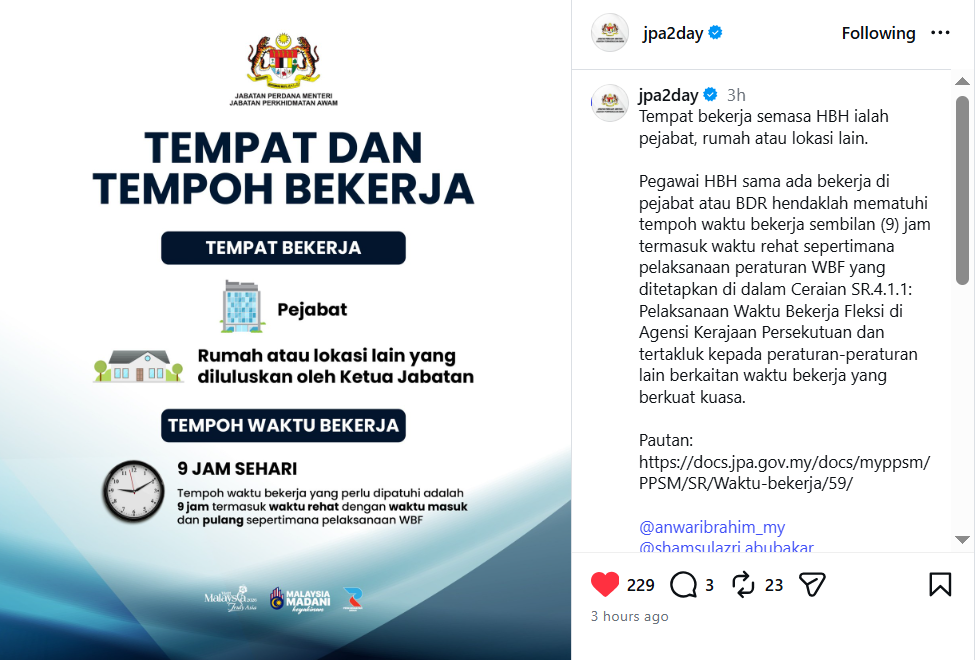
Recently, a significant step forward for a more flexible and contemporary working environment is the recent introduction of a hybrid working arrangement for civil servants in Malaysia. Under this arrangement, eligible civil servants are permitted to work three days in the office and two days from home. The goal of this program is to improve employee well-being and to continue the delivery of high quality and efficient public services.
The hybrid model offers the potential to improve productivity, job satisfaction and employee engagement in general by reducing commuting time and creating more work-life balance. It also supports the government’s digital transformation agenda by encouraging technology-enabled collaboration and performance based on outcomes. As workplaces continue to evolve, hybrid working is a progressive practice that focuses not only on organizational effectiveness but also the wellbeing of the workforce.
1. Reduced Stress Levels
Flexibility eases the strains of daily life. Employees deal with traffic jams, long commutes, childcare and family responsibilities and general time pressure on a daily basis. These flexible arrangements allow them to cope better with these demands, and in turn, to have lower stress levels and better mental wellbeing overall. And when stress is down, focus, engagement and productivity go up.

2. Improved Work-Life Balance
Work-life balance continues to be a high priority for employees everywhere. Flexible schedules allow employees to attend medical appointments, care for family members, find time for regular exercise and just spend more quality time with family and friends. Employees who feel more in control of their time consistently report higher job satisfaction and greater overall wellbeing.

3. Ways to Keep Moving
It can be difficult to squeeze in a workout with traditional 9 to 5 office hours. Flexible arrangements enable a morning workout, a walking break, working out at home, active commuting, and leisure or sport activities. Regular physical activity is good for your heart, helps you manage your weight and lowers your risk for chronic disease and benefits that add up over time.

4. Better Sleep Quality
Long commutes and set schedules are often the cause of sleep deprivation. Flexible work means employees have more scope to rest and recover and that’s more important than people realise. Better sleep leads to better concentration, better mood regulation, better immunity and higher productivity. Even getting 30 to 60 more minutes of sleep a night can have a big impact on your overall health.

5. Less Likely to Infect Others
Remote and hybrid work environments inherently limit the spread of illnesses such as flu, COVID-19 and other respiratory infections. Having fewer people in shared spaces can lead to less absenteeism, fewer outbreaks in the workplace and better business continuity. This advantage was especially apparent during the COVID-19 pandemic and is still valid today.
The secret health price of flexible working.
Of course, flexibility has its downsides too. It’s also interesting to understand the trade-offs, and to design policies that actually work.
1. Rising Sedentary Behaviour
“Without a commute or the organic movement of an office, walking to meeting rooms, chatting by the coffee machine, many remote employees find themselves sitting in longer stretches. This can result in weight gain, bad posture and increased risk of heart disease over time. It is important that employers encourage movement and activity breaks throughout the day.

2. Life-Work Blending
One of the biggest challenges of remote work is knowing when to shut it down. Without clear boundaries, employees may find themselves checking email after hours, working longer days than they intended or feeling like they are “always on.” If left unchecked it can lead to stress, burnout and mental fatigue.

3. Isolation From Society
The office is more than a place to work; it’s a place to connect, collaborate and support one another. Remote employees can feel isolated, less connected to their teams and a weaker sense of belonging. To overcome this, regular communication and intentional team engagement are critical.
4. Poor Home Workstation Setup
Not all employees have an ergonomic home office. Bad workstation setup can lead to neck, shoulder and back pain and eye strain. A good way to reduce these hazards is to provide ergonomic tips and wellness education.
Flexibility is most effective when coupled with a real commitment to employee wellbeing. Routine health screenings enable employees to track key health metrics and catch potential issues early, while virtual and hybrid wellness challenges keep healthy habits top of mind, no matter where employees are working from.
Employee Assistance Programmes (EAPs), wellbeing talks and easily available resources provide mental health support that helps staff deal with stress and increase resilience, while wellness workshops covering topics such as nutrition, sleep and ergonomics equip them with practical tools to make healthier choices.
Team collaboration efforts such as virtual coffee chats and regular check-ins are also critical in helping to keep culture and connection alive across a distributed workforce.

The benefits of flexible work go far beyond individual wellbeing. When organisations get workplace flexibility right, they often see higher employee satisfaction, stronger retention, greater engagement and lower absenteeism, as well as a stronger employer brand and more resilient workforce overall. With workplace expectations evolving, flexibility is fast becoming a real competitive advantage in drawing and keeping top talent.
Flexible work arrangements can dramatically improve employee health through decreased stress, improved work-life balance, better sleep and healthier lifestyle choices. But organisations also need to be mindful of the trade-offs such as sedentary behaviour, social isolation and burnout risk.
The most successful companies view flexibility as part of a bigger wellbeing puzzle, combining it with health screenings, wellness programmes, mental health support and employee engagement initiatives. Organisations that focus on flexibility and wellbeing are not just ticking a box. They work to build workplaces that are healthier, happier and more productive.
At Vealth.me, we help organisations build healthier workplaces through corporate health screenings, wellness programmes, wellness challenges, health talks and employee wellbeing initiatives tailored for modern work environments.
Contact us at 018-959 3957 or just send a message through enquiry form today to learn more about how we can help you with your employee wellness strategy.
For many working adults in Malaysia, it is getting harder to maintain a healthy weight. So why is it that, with a growing awareness of healthy eating and exercise, overweight and obesity rates keep going up?
Obesity is one of the most serious problems of public health in Malaysia. According to the national health statistics, more than 50% of Malaysian adults are overweight or obese.
It's not just about personal health for employers. Weight-related health conditions can affect employee productivity, absenteeism, healthcare costs and overall workplace wellbeing.
Why then are Malaysian workers failing to manage their weight and what can organisations do to promote healthier lifestyles?
Many employees are aware of the importance of maintaining a healthy weight but often struggle to maintain results over time.
It’s not just a matter of eating less and working out more. A number of factors influence it, such as work habits, lifestyle, stress levels and environmental influences.
As work becomes more sedentary, employees are facing more barriers than ever to maintaining a healthy lifestyle.
1. Sedentary Working Environments
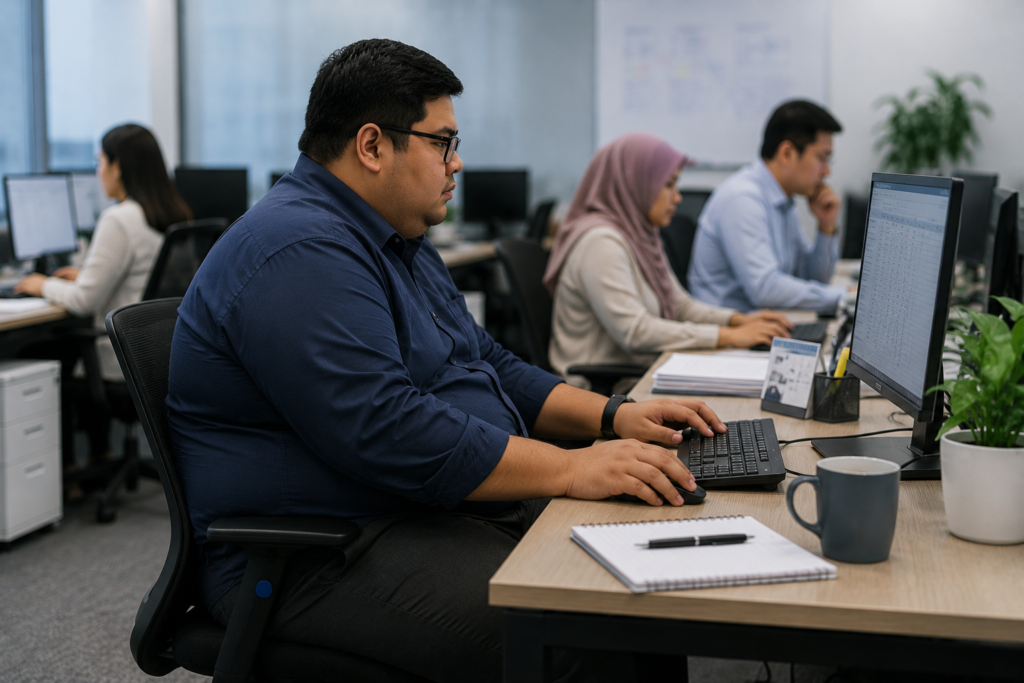
One of the major contributors to weight gain in employees is long sitting.
You could be sitting at your desk, in meetings, on the road, on your digital device for 8 to 10 hours a day. Manufacturing supervisors, administrative staff and remote workers can have similar problems.
Living a sedentary lifestyle can:
- Fewer calories burnt
- Sluggish metabolism
- Increase fat deposition in the body
- Raise the risk of illnesses related to obesity
Many employees may exercise for an hour after work but are sedentary during the other 15 hours they are awake during the day.
2. Long hours and hectic schedules
Working hours are long for many Malaysians, and they also have families to look after and long journeys to and from work.
Consequently, healthy habits are frequently sacrificed.
Common behaviours are:
- Skipping meals
- Eating at night late
- Dependence on fast food
- Missed exercise sessions
- Not getting enough sleep
It’s harder to live a balanced life when convenience is the priority.
3. Ready availability of high calorie foods
Malaysia is famous for its diversity and richness of food culture.
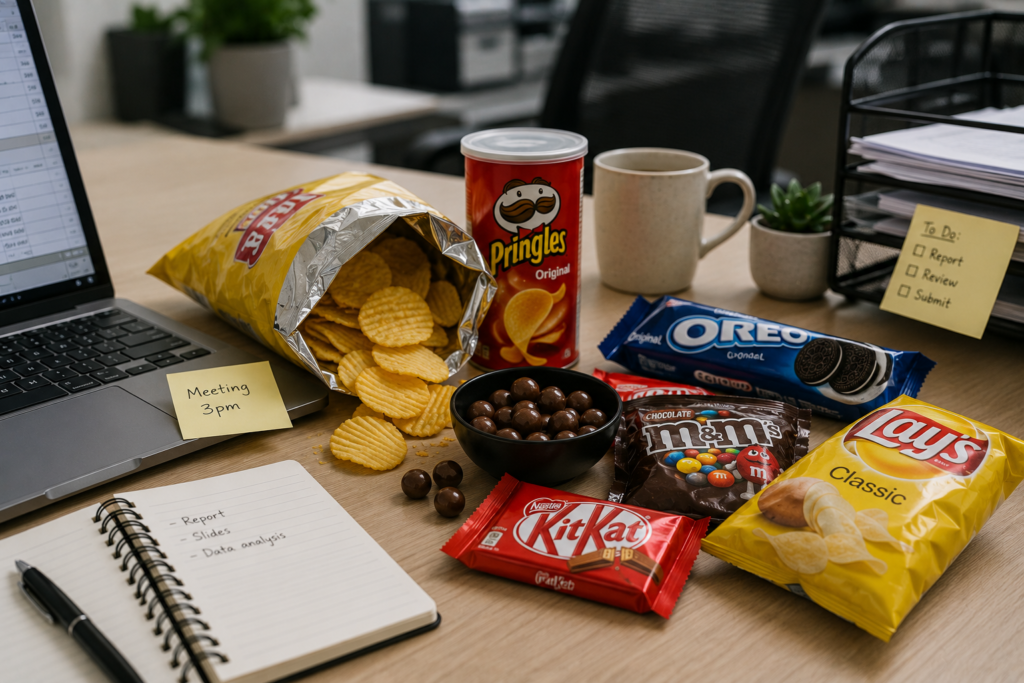
Calorie-dense foods, from nasi lemak and roti canai to bubble tea and late-night mamak sessions, are readily available and woven into the fabric of everyday life.
Many workplaces also contribute to unhealthy eating habits by:
- Normal festivities
- Office treats
- Sugary drinks
- Meetings catering
- Holiday gatherings
Occasional indulgence is fine, but constant overconsumption can slowly lead to weight gain.
4. Stress at work and emotional eating
Stress is a big factor in controlling your weight. Many people turn to food in times of work pressure, deadlines and personal issues.
Stress can cause:
- Increased craving for sweet foods
- Emotional eater
- Lack of motivation to exercise
- Bad sleep quality
Chronic stress can make it even harder to maintain a healthy weight over time.
5. Low-Quality Sleep
For many people trying to manage their weight, sleep is the missing piece.
People who regularly get less than seven hours of sleep a night could be at risk of:
- More hungry
- More cravings
- Lower energy levels
- Delayed post-exercise recovery
This may make it even more difficult for shift workers and employees working irregular hours, whose sleep patterns are already disrupted.
6. No personalised health information
Many employees don’t know their true health status.
Some people may look healthy on the outside but have underlying problems such as:
- Elevated body fat percentage
- High Cholesterol
- Pre-diabetes
- Hypertension
- Fatty liver disease
If employees do not have regular health screenings, they may not know they need to change their lifestyle until symptoms appear.
7. Unrealistic Goals for Weight Loss
Many people expect quick results from diet or exercise programs.
If expectations are not met, motivation usually drops.
To manage your weight sustainably, you need:
- Consistent healthy eating habits
- Regular exercise
- Sleep enough
- How to Handle Stress
- Sustainable behaviour change
Quick fixes rarely create lasting results.
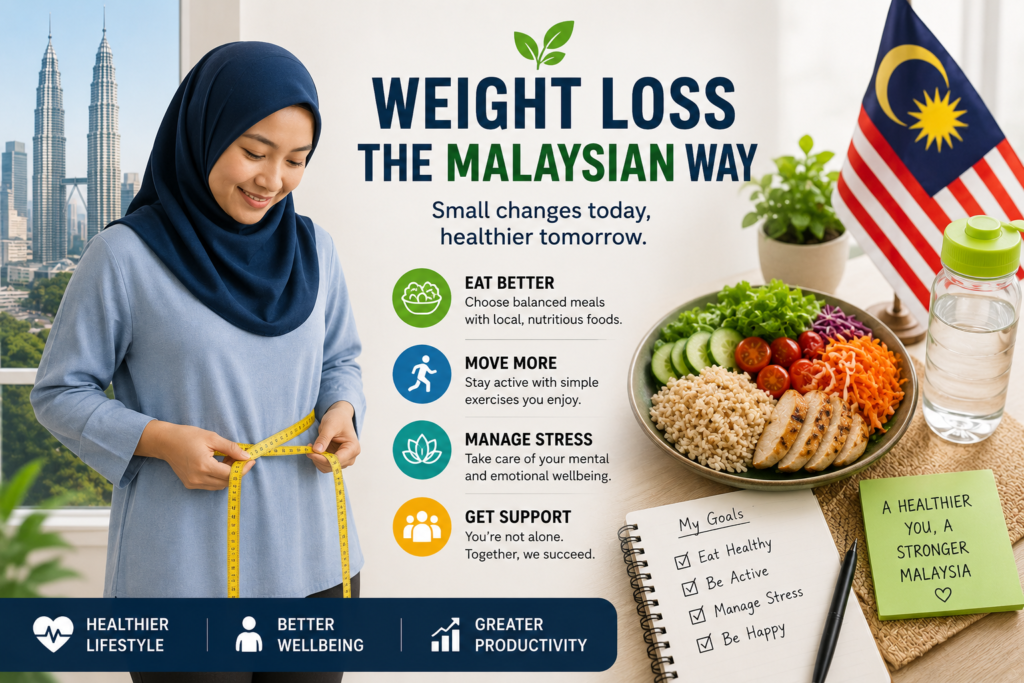
Poor weight management is not only an employee problem but an organisational problem as well.
Research has shown that excess weight and obesity are associated with:
- Increased Medical Costs
- Higher absence rates
- Lower Productivity
- Additional Health Risks: Being obese raises your chances of getting: Type 2 diabetes, high blood pressure, heart disease, high blood cholesterol, musculoskeletal disorder and many more.
These conditions can impact the wellbeing of the workforce and the long term sustainability of the business.
Encouraging employees to exercise is not sufficient to create a healthier workforce.
Successful organisations have a holistic wellness strategy, including:
a) Corporate health checkup
Health screenings give employees the chance to learn about their health risks and where they can improve before serious health conditions develop.
b) Nutrition Education
Workshops and health talks can assist employees to make informed food choices and develop healthier eating habits.
c) Wellness Challenges
Gamified wellness programs are also a great way to encourage engagement and create fun around healthy behaviours.
d) Physical Activity Programs
Step challenges, fitness classes, and active workplace campaigns can support employees to get more daily activity.
e) Continued Support
Long-term coaching and wellness interventions tend to be more effective than one-off activities.
Reach out to us today to find out how we can help you meet your employee wellness goals!
The first step in protecting your workforce is prevention.
As companies continue to keep employee well-being top of mind, one overlooked preventive healthcare initiative is the influenza vaccination of employees.
Many employers are already investing in health screenings, wellness talks, and fitness challenges, but the influenza vaccination is still one of the easiest and most effective ways to protect the health of the work force, reduce absenteeism, and keep business productivity up.
For HR professionals, Admin teams, People & Culture leaders and business decision-makers, a corporate influenza vaccination program is not just a health initiative, but a strategic investment in your people and your organisation.
Influenza, or the flu, is a contagious respiratory illness caused by influenza viruses. Unlike the common cold, influenza can cause serious symptoms such as:
- Very high fever
- Chronic cough
- Throat, sore
- Body pains
- Exhaustion
- Headache
For some people, the elderly and those with chronic health problems and flu can lead to serious complications, like pneumonia and hospitalization.
A single infected worker can easily transmit the virus to coworkers in the workplace, resulting in a large number of employees being out on sick leave in a short period of time.

Many organisations underestimate the cost of seasonal flu outbreaks.
When employees get sick, businesses may experience:
a) Absenteeism increases
Employees sick with the flu often need days off to recover. In high flu seasons, it’s not uncommon to have multiple employees out at once, which can throw off operations and affect the productivity of the team.
b) Productivity Reduction
Sick employees may perform at a much lower level. This phenomenon, called presenteeism, can be more costly than absenteeism because of decreased productivity and a greater chance of spreading the infection to colleagues.
c) More Medical Costs
Medical benefits Employers may see an increase in healthcare claims for flu treatment, consultation and medication.
d) Operations Interruption
For sectors such as manufacturing, logistics, hospitality, retail and healthcare, staff shortages can directly impact service delivery and business continuity.
1. Reduce sick leave of the employees
The flu shot helps lower the chance employees will get the flu and makes symptoms less severe if they do get infected.
Less sick days and less disruption to the daily operation due to fewer flu cases.
2. Protecting Vulnerable Employees
Many workplaces have people who may be at higher risk of complications from influenza, such as:
- Older workers
- Workers with diabetes
- Workers with heart issues
- Employees with respiratory illness
Vaccination provides an additional layer of protection for these vulnerable groups.
3. Promote the Welfare of Employees
Today’s workforce wants employers who care about their health and wellbeing.
The administration of flu shots is a clear signal that your organisation is taking a proactive stance on employee health and building a culture of care and trust.
4. Increase Work Productivity
Healthier employees are more engaged, focused and productive.
Minimising illness-related disruptions helps organisations maintain operational efficiency all year round
5. Improve Employer Branding
Workplace wellness programs have become a key part of attracting and retaining talent.
A complete employee wellness program including influenza vaccination can boost your employer brand and help your organisation become a people-first workplace. ### Who should get a flu shot?
Most adults are recommended to get the flu shot and it is especially helpful for employees who:
- Regularly communicate with customers
- Work in busy environments
- Travel frequently for work
- Work in a health care environment
- Have long-term medical conditions
For organisations with front line employees, vaccination can be an important element in ensuring service continuity during flu seasons.
Organising an influenza vaccination programme need not be complicated.
Many companies are now offering corporate vaccination services so that employees can get vaccinated right at their workplace.
HR Teams Best Practices:
- Vaccinate before flu season peaks
- Educate train staff on benefits of vaccination
- Provide vaccinations during working time
- Promote leadership participation
- Incorporate vaccination into annual wellness initiatives
The simpler it is, the more participation there is.
The best companies take a holistic view of employee health.
The flu vaccine works best when it is combined with other wellness efforts such as corporate health checkups , nutrition workshops or even employee wellness programs
Together these programs help create a healthier workforce, and contribute towards long term business success.
Influenza may appear to be a seasonal nuisance, but it can have a significant impact on workplace productivity, employee wellbeing and business operations.
For HR leaders, Admin teams, People & Culture professionals and business leaders, introducing a corporate influenza vaccination programme is a practical and cost effective way to protect employee health and support organisational performance.
Prevention is always better than cure and a healthier workforce is a more resilient workforce.
Vealth.me provides onsite influenza vaccination service to organizations in Malaysia. Our team can work with you to create a smooth, integrated workplace vaccination experience while also aligning to your broader employee wellness objectives.
Get in touch with us today to discover how we can assist in protecting your workforce through preventive healthcare.
You started a wellness program. Employees participated in the health screening. We did a couple of webinars. The feedback forms returned were positive.
But what do you say when your CEO asks, “Is it working?”
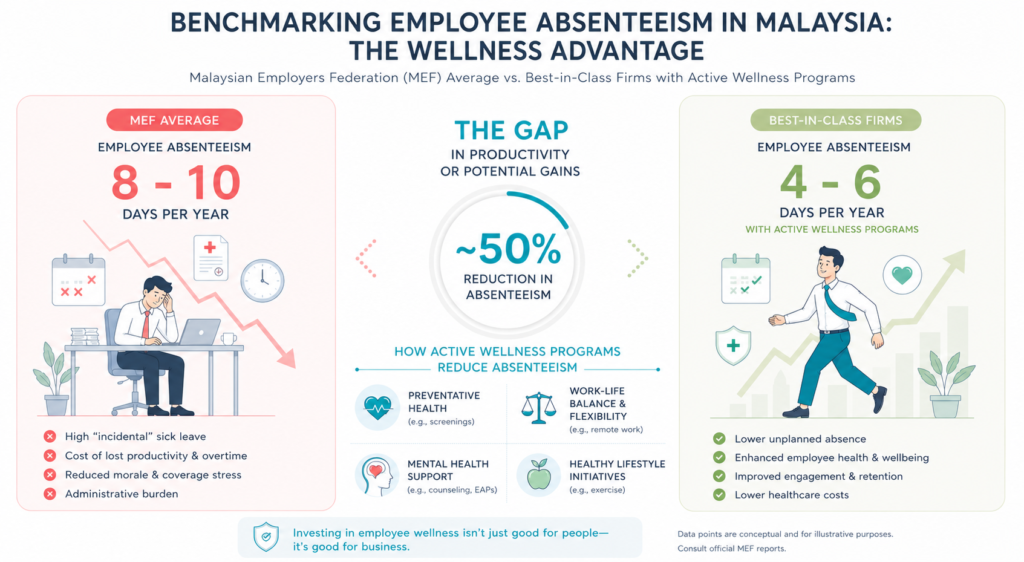
This is the moment many HR managers fear. Not that the program didn't work. But they never put in place the right measures of success to prove that it did. Wellness initiatives are approved on good intentions, killed by not being able to show ROI.
The good news: You can absolutely measure the success of a corporate wellness program and if you know which numbers to track, when to track them and how to present them.
Wellness program don’t just stop working – that’s not why they’re most often defunded. It is that they were never measured correctly to start with. Without baseline data there is no comparison to be made. Without defined KPIs, everything you get feels subjective.” And without a clear reporting structure, the program becomes invisible to leadership, another line item until budget season. Measurement is not an afterthought. It’s the foundation of all else that can be defended.

Comparing blood test results before and after the wellness program is the easiest way to track the success of the program.

Medical insurance claims can be compared on a yearly basis.
As for Vealth.me, we can provide data for 3 out of the 6 company KPIs, namely the Program Participation Rate, Employee Health Risk Assessment, and Employee Engagement and Wellness Satisfaction Index.
Our corporate wellness program at Vealth.me has three wellness goals – result-oriented, awareness-based or just a fun environment for employees to learn more about health and wellness.
The program focused on results starts with a health screening to analyze the health status and parameters of the employees. At the end of the program, another health screening is performed to measure the changes and assess the success of the program.
The results are there for all to see. The corporate wellness program, Well-lympics by Vealth.me, has been monitoring the real health data of Malaysian employees since 2021 and the results achieved in only three months show its effectiveness clearly (KPI: Employee Health Risk Assessment).
Our 3- 6 Months Corporate Wellness Program Real Result in WELL-Lympics :
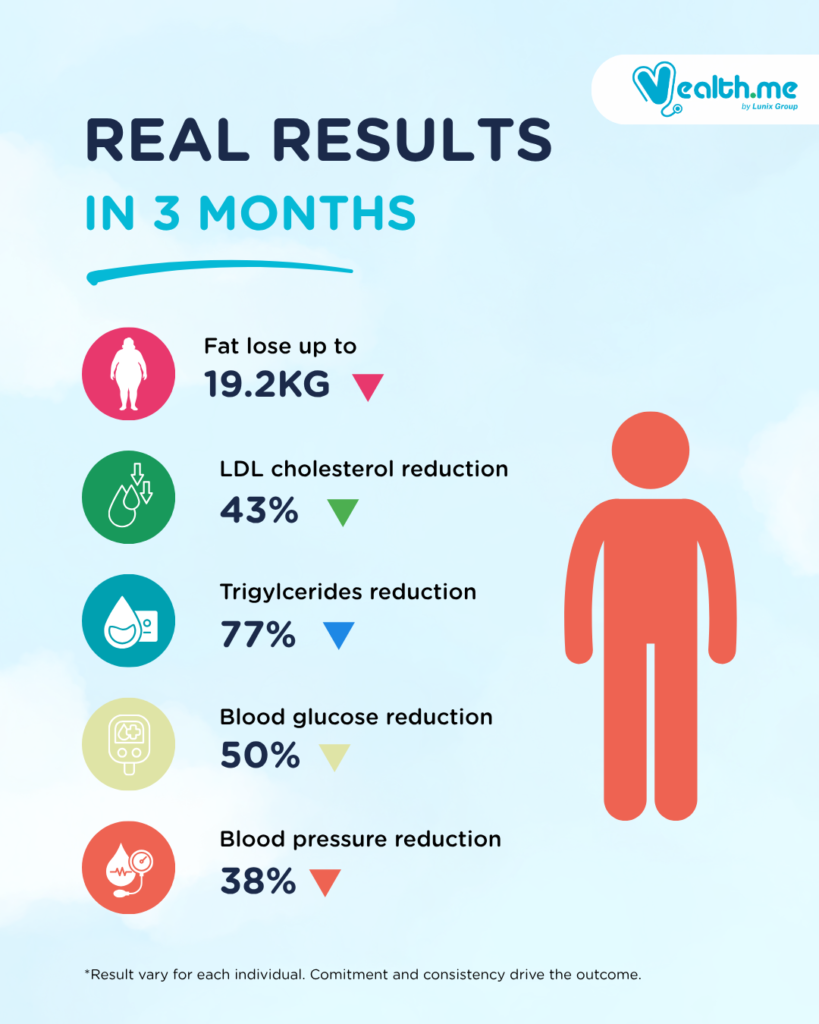
These are not predictions, they are documented results from organized lifestyle change, personal coaching and consistent measurement. The kind of numbers you want to see on your organisation’s wellness dashboard year on year.
The health improvements above are not just personal wins for those who achieved them. These are organisational wins for the companies who invested in making them happen.
Consider what these results mean at scale:
Employees with lower cholesterol and blood glucose are at a significantly reduced risk of hospitalisation, which means lower medical claims and lower insurance costs over time.
Workers with better blood pressure are less likely to experience fatigue, headaches and concentration problems that silently cut productivity every day.
We know that losing meaningful weight during the programme means higher energy, better sleep and improved mood, all of which translate into stronger performance at work.
Employees on a wellness journey say they feel a stronger connection to their team, are more engaged and feel a deeper sense of being valued by their company.
The most common stumbling block is not measurement itself but the absence of a beginning. If you have never collected baseline data, you have nothing to compare your results to.
This is exactly why the first year of any corporate wellness program should be all about a comprehensive health screening. The aggregated results form your organizational health baseline – the benchmark against which every subsequent year is measured.
In that one event you get:
- Your initial health risk profile
- Your first participation rate
- The first data layer
That is where everything else comes from.
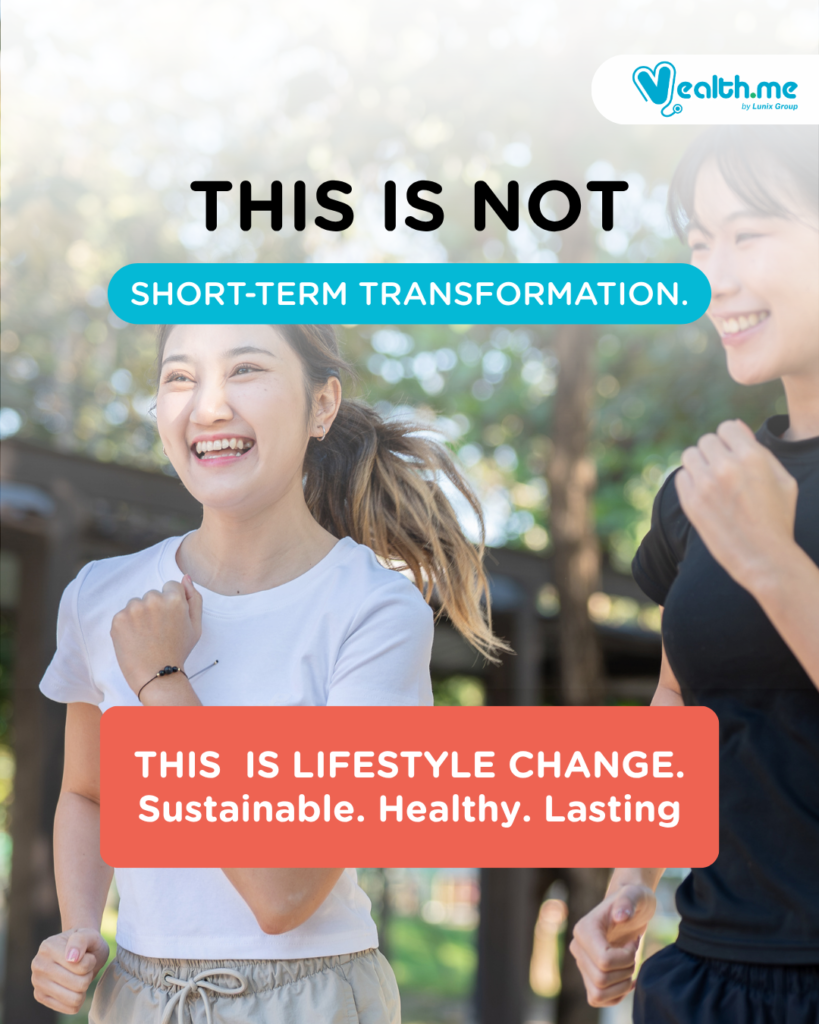
Many corporate wellness programs are one-off events – a health talk here, a step challenge there, that feel good in the moment, but leave no lasting mark on employee health.
Well-lympics is a system, so it's different. A structured, data-driven, professionally supported journey that delivers measurable health outcomes in three to six months – outcomes that stick because they are built on habits, not willpower alone.
If your company has been doing wellness initiatives and doesn’t have results like these to point to, it may need to up its game. Get a corporate wellness program that gives you data.
Each program at Vealth.me generates aggregated workforce health data that giving your company the baseline it needs to begin measuring, tracking and demonstrating wellness ROI.
Our programs are intended to be the cornerstone of a measurable corporate wellness strategy, not a one-time event that fades from memory by the next quarter.
WhatsApp us at 018-959 3957 or Email us at [email protected] to get a FREE Proposal.
If you can measure a wellness program, then you can grow a wellness program.
Malaysian HR managers face the same task every year: organising the company’s annual health screening. And every year the same question comes up and do we send employees to a clinic, or do we bring the screening to them?
Sounds like a straight logistical choice. But the decision is way more than that as it impacts how many employees will take part, how much it costs the business in hidden time, how much stress it adds to your HR team and ultimately – whether your wellness programs actually works.
Let's be honest about it.
The way it used to be. Employees are provided with a list of partner clinics or panel hospitals, asked to make their own bookings and told to go within a stipulated period and usually within a quarter or before their employment anniversary.
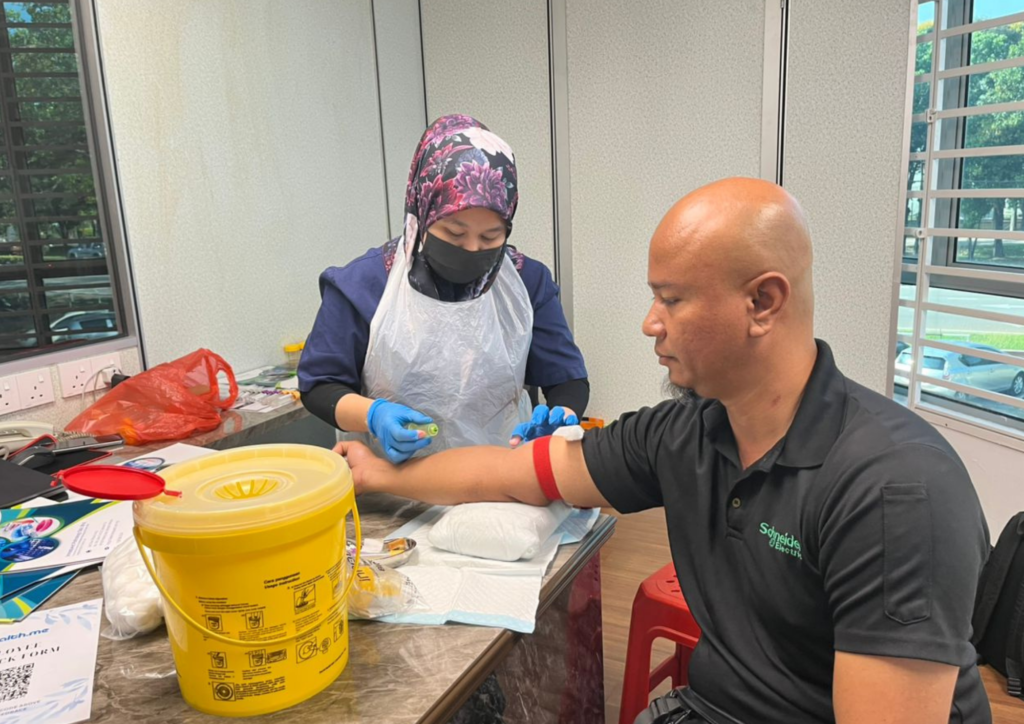
A professional health screening team will come directly to your office, factory or facility. Screening is done on-site during working hours, with employees passing through in organised groups during the day. This is not a newer or less rigorous approach, just a smarter one.
This is the most common assumption and it deserves a straight answer.
When you calculate the real cost of a clinic-based programme, the figures can tell a different story:
On-site health screening brings all of this together into one efficient, well-managed event. For most companies, especially those with 20 or more employees, the total cost, when properly measured, is about the same or lower, and the results are much better.
On-site health screening is a benefit to nearly any Malaysian company, but is especially useful for:
We come to your workplace fully equipped with our own tools, people and supplies. We offer our signature 10-Minute Health Check which includes the blood and urine test and you can also do diagnostic machine test such as body composition analysis as well as ultrasound.
We adjust our services to fit your schedule, manage the flow of employees through the screening process, offer individual result summaries, and identify any employees who may require additional attention.
Once the session has concluded you receive a compiled health report and health data statistics for your organisation providing HR and management with meaningful data on workforce health trends, while protecting employee privacy.
If you’re serious about wanting to understand the health of your workforce, show employees that their wellbeing matters to you, and get data that helps your company make better decisions, then on-site health screening is for you.
Clinic-based programs put the burden on employees and provide incomplete results. On-site program place the responsibility where it belongs with a professional partner who does it all, so you can focus on what the outcome delivers.
Corporate health screening services on-site in Malaysia for companies of all sizes and industries.
Our packages are flexible, professionally delivered and designed to maximise participation with minimum disruption.
Let’s come to you, the easier it is for your employees the more likely they are to show up.
WhatsApp us at 018-959 3957 and connect with us now!
Business success today is about more than profit. In Malaysia, companies are adopting Environmental, Social and Governance (ESG) and Corporate Social Responsibility (CSR) practices. This change is not just a trend but it is now a necessity.
The United Nations Sustainable Development Goals (SDGs) encourage Malaysian businesses to rethink what success means. Now, companies aim to balance profit, sustainability, and social impact.
ESG is about how a company manages its impact on the environment, society, and its own governance.
CSR focuses on voluntary efforts that help the community and support social well-being.
Although ESG and CSR are different, they work together to:
In Malaysia, ESG is becoming more important because regulators, investors, and consumers want greater transparency and accountability.

Malaysia is quickly adopting sustainability. Public-listed companies must now share their sustainability practices, and ESG reporting is becoming a key part of annual reports.
Government agencies and frameworks such as:
These agencies encourage organizations to adopt ESG principles and include them in their main strategies. This change makes it clear that sustainability is no longer optional. It is now essential for businesses.
Companies are no longer focused only on financial gains. ESG encourages them to create value for society through environmental conservation, ethical practices, and community involvement.
Employee health and well-being are getting more attention as part of the Social aspect of ESG.
Organizations are investing in:
This supports SDG 3: Good Health and Well-being, and shows that healthy employees are more productive and increase brand trust and reputation.
Consumers today prefer brands with a clear purpose. Companies involved in CSR activities like community outreach, sustainability campaigns, and employee volunteering build stronger trust and loyalty.
Younger generations, especially Millennials and Gen Z, are more likely to choose employers who share their values.
Having strong ESG and CSR programs helps organizations:
ESG helps companies find and manage risks related to:
This approach leads to more sustainable and long-term growth strategies.
As companies put ESG and CSR strategies into action, wellness-focused initiatives are becoming more important. Platforms like Vealthme help organizations run meaningful CSR programs that directly benefit employees and communities. Here are some examples of CSR-aligned programs:
Health screening programs help find early risk factors for chronic diseases and promote preventive care. Companies can also offer these programs as CSR initiatives for underserved communities, raising health awareness and improving access. Some of the activities are:
a) Sponsored Blood Test for Underprivileged Groups : Blood and Urine Test, Vaccination
We are planning to grow our health-focused CSR programs by adding new dialysis-related projects. These efforts will help support patients and make a positive difference in community healthcare. Other than that, we also conducted wellness-related CSR program to those in need.
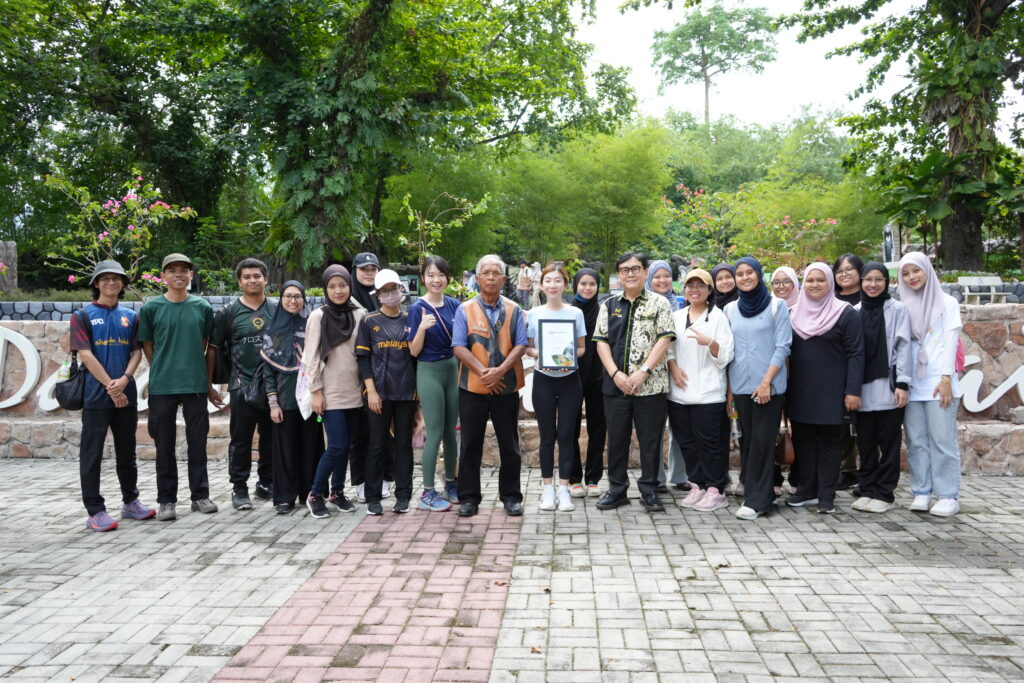
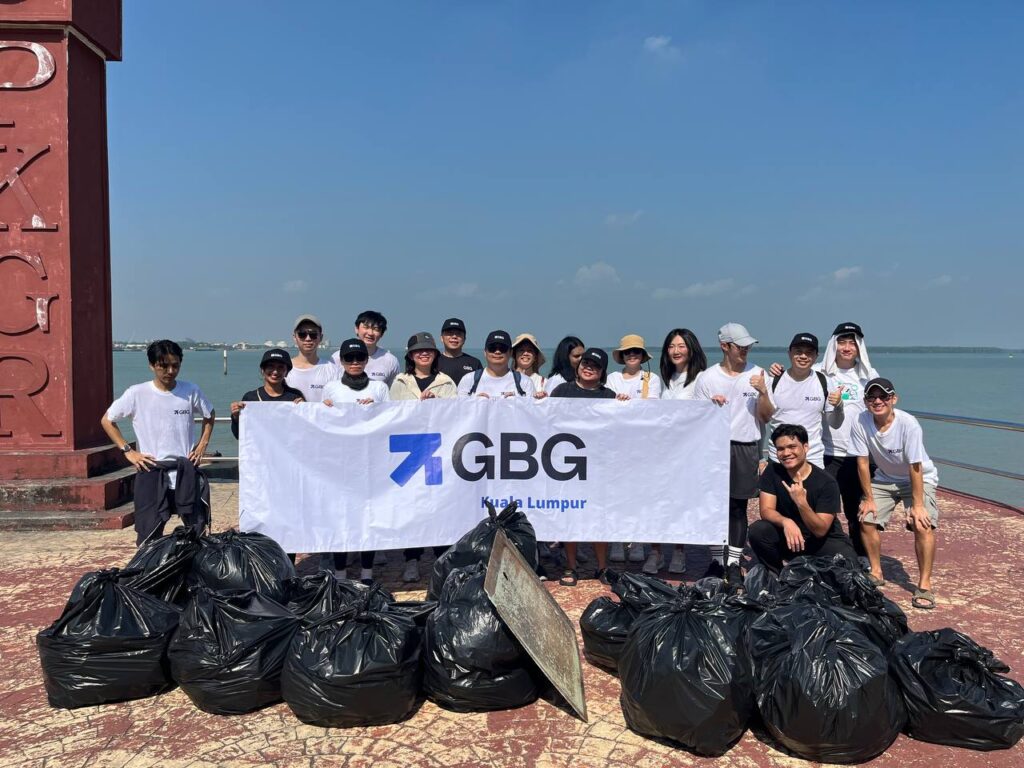
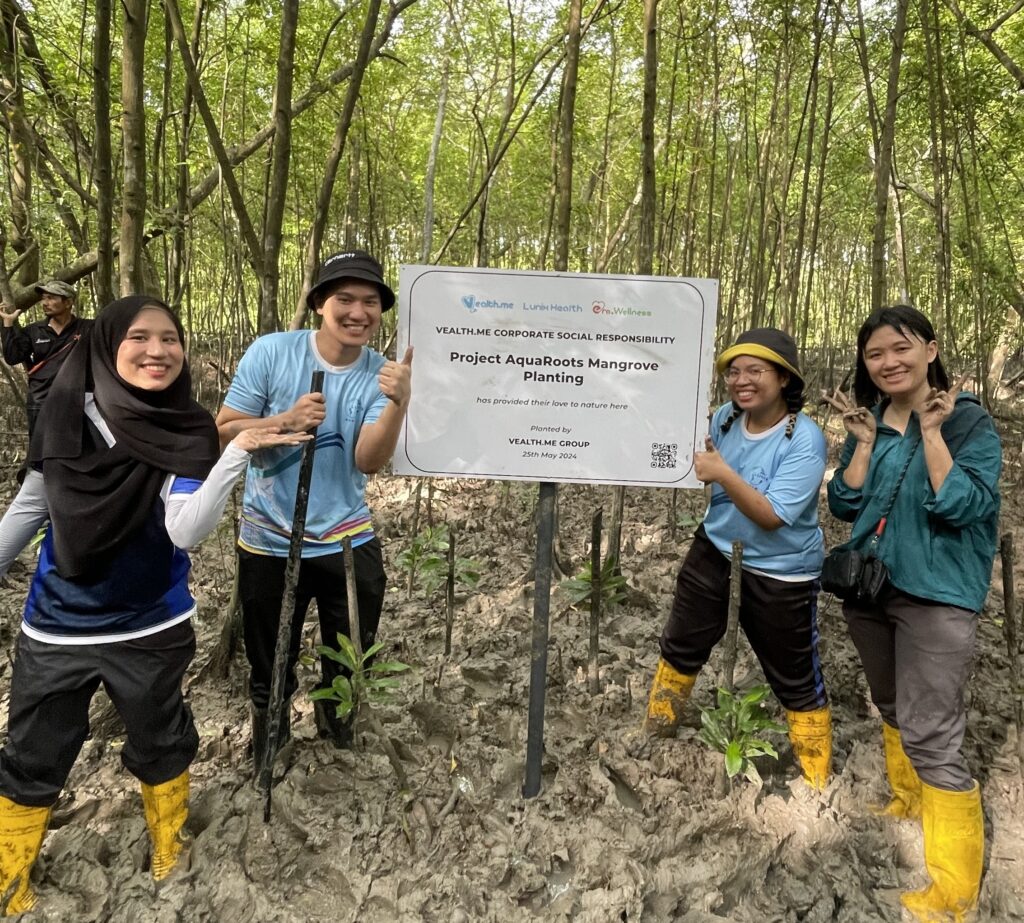
At Vealth.me, we have been helping organizations deliver environmental-focused CSR programs across Malaysia since 2024. Our work supports companies in creating sustainable impact and engaging their employees. As demand increases, we are expanding these initiatives. Here are our programs :
a) Zoo Negara Grooming and Maintenance

b) Beach Cleaning Program
c) Mangrove Planting
For Malaysian organizations, including wellness in ESG strategies is a powerful way to make a real impact in the organization.
As Malaysia’s economy grows, the focus is shifting to sustainable and inclusive development. ESG and CSR are more than frameworks but these principles will help organizations to:
The shift to ESG and CSR marks a new era for Malaysian companies, where profit and purpose work together. Sustainability, employee well-being, and social responsibility are not only helping to build a better future, but are also positioning companies for long-term success.
If you want to start an ESG or CSR program, get in touch with us. We can create a plan that fits your company’s values.
A Corporate Health & Workplace Wellness Guide for Employers
Ramadan is an important month for Muslim employees, marked by fasting, reflection, and spiritual growth. For employers in Malaysia, it is also a good time to strengthen their corporate health strategy and show inclusive leadership. Companies that support their employees during Ramadan often see higher engagement, loyalty and morale.
According to the Ministry of Health Malaysia, Malaysia continues to face rising rates of obesity, diabetes and hypertension that eventually lead to chronic diseases. A proactive wellness program helps employees stay productive and healthy. During Ramadan, changes in eating patterns, hydration and sleep cycles can affect:
All these are important aspects that can affect work performance. Making sure your employees can maintain their productivity during Ramadan and work as normal days. Here is what companies can do to support employees during Ramadan:
Fasting employees may experience fatigue, especially in the late afternoon. Being flexible shows understanding and helps keep the business running smoothly. Companies can support by:

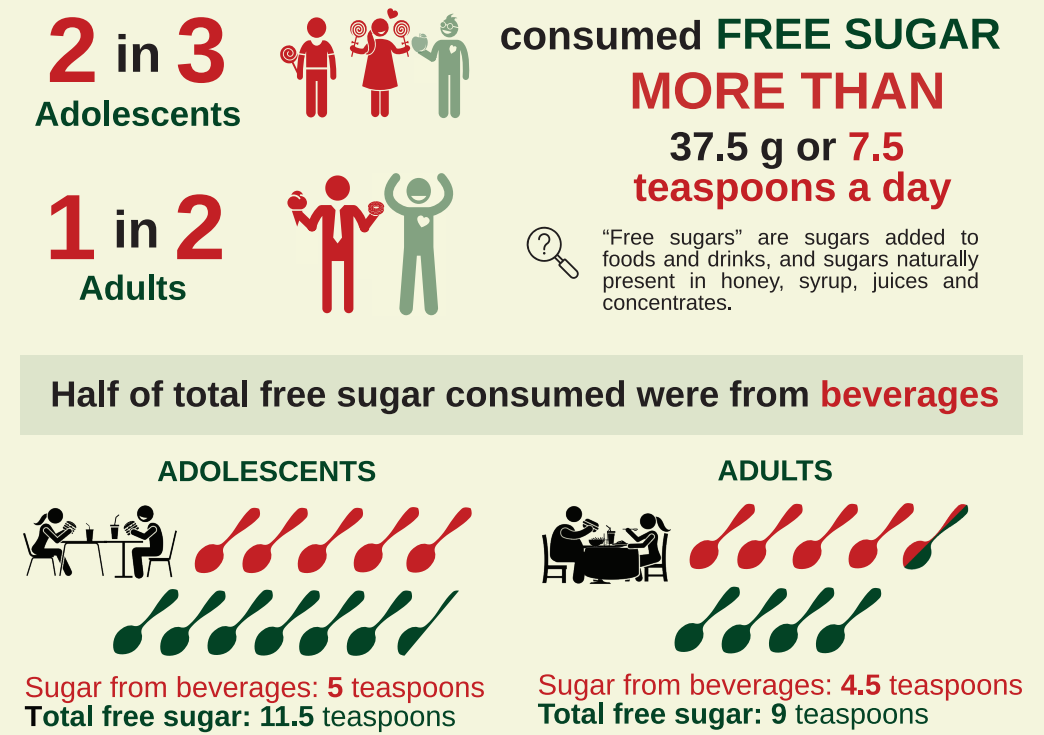
Malaysia has one of the highest sugar consumption rates in Southeast Asia. Consuming excessive sugar intake can lead to weight gain and induce diabetes. It is vital for everyone to be aware of consequences if they consume excessive sugary drinks or snacks when breaking the fast. During Ramadan, employers can:
These steps help build a healthy workplace culture and support national health goals.
Corporate companies can organise a Corporate Wellness Program during Ramadan. Fasting doesn't mean the employer should stop any workplace activities. It is actually the best time to conduct it and ensure your employees can enjoy their Ramadan as well. A well-planned corporate wellness program during Ramadan can include:
Even small efforts can make a big difference in employee engagement.
Ramadan is spiritually meaningful, but balancing work, family and worship can be demanding. Showing care for employees can boost morale and help keep staff such as companies can:

Ramadan is spiritually meaningful, but balancing work, family and worship can be demanding. Showing care for employees can boost morale and help keep staff such as companies can:

It is important to ensure workplace safety, especially for physical roles, by monitoring heat exposure, allowing additional rest breaks, and adjusting heavy lifting tasks for manufacturing, construction, and field-based employees. Keeping the workplace safe is a key part of looking after employee health.
It is important to ensure workplace safety, especially for physical roles, by monitoring heat exposure, allowing additional rest breaks, and adjusting heavy lifting tasks for manufacturing, construction, and field-based employees. Keeping the workplace safe is a key part of looking after employee health.
Adding health checks to your wellness program before Ramadan can help lower health risks during the fasting month.
Ramadan is more than a religious month but it is an opportunity for company. It is also a chance to strengthen employee trust, promote healthier habits and reinforce inclusive workplace culture to reduce long-term health risk. Companies that focus on employee well-being during Ramadan build stronger and more resilient teams.
Supporting employees during Ramadan is more than just a policy. It shows what leaders value. A well-planned health strategy during Ramadan shows empathy and a long-term commitment to employee well-being.
Healthy employees help build sustainable organizations.
