
The pattern is known by all HR teams. January starts with resolutions, there’s a wellness talk in March, and by the third quarter the budget has quietly shifted. Engagement falls, employees notice.
The alternative is a planned, year-round corporate wellness program that’s tied to moments people already care about and is easy for HR to roll out. That’s the concept behind Vealth.me’s 2027 Corporate Wellness Journey, a 12-month calendar of programs inspired by Malaysia’s festivals, health awareness days and the actual wellbeing needs of your people.
This is what it contains and how HR can make use of it!
- Budget transparency : Having your programs and pricing up-front makes it so much easier to get approval from management.
- Better participation : Sessions associated with Chinese New Year, Ramadan, Deepavali, Merdeka or World Heart Day seem relevant, not random.
- Holistic health : A good plan is not only about one-off talks; it includes physical health, mental wellbeing, nutrition, creativity and community.
- Less last-minute panic for HR : Schedule your calendar once, then get people to show up.
The journey to 2027 is made up of five formats so you can mix learning, hands-on activity and team bonding.
WELL-Binar (health webinars and talks).
One-hour sessions (virtual or onsite) with unlimited number of audience. Led by dieticians, doctors, psychologists, fitness trainers, a chiropractor and a certified first aid trainer.
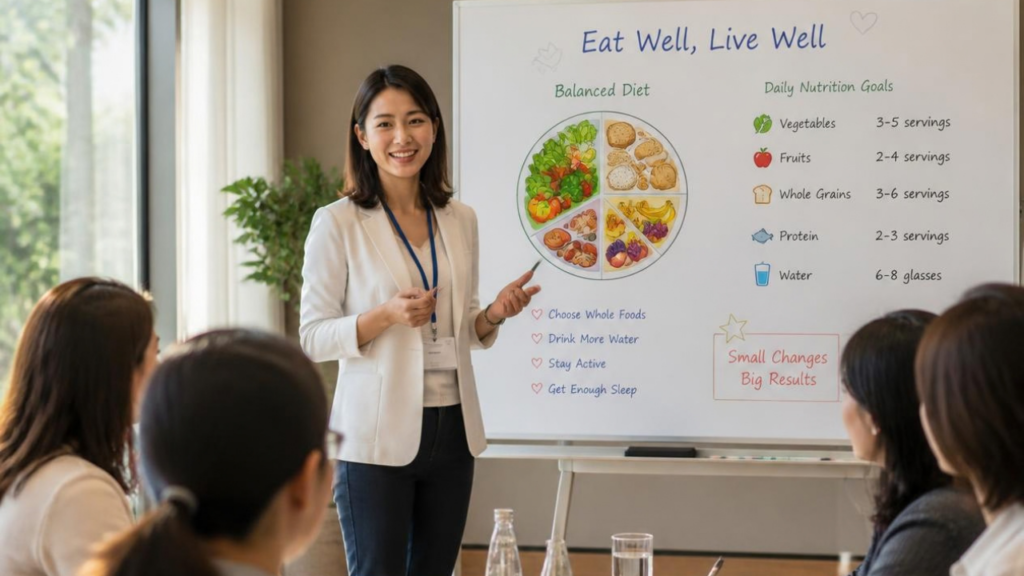
WELL-Prep (healthy cooking workshops)
Hands-on workshops for 20-30 people, led by a dietitian, where staff learn about nutrition and cook the dish themselves.

WELL-Lab (creative & craft workshops)
Onsite art & craft sessions including tote bag printing, batik painting, henna, calligraphy and clay therapy Participants take their creation home with them.
WELL-Vibe (movement & relaxation).
Refresh-and-reset experiences such as corporate massage and a guided hike.
WELL-Impact (community activity).
Purpose & pride with team volunteering e.g. Klang Valley beach clean up
There is also a WELL-Challenge, a virtual challenge delivered through the Vealthme app at year end to keep momentum going.
The 2027 Journey Flow through the Year
Each quarter has a purpose, not just a random list of activities. All themes are related to festivals, awareness days and the times of year when staff need the most support.
Q1 (January to March): Restart and Prevent
Q1 is about making good intentions into habits that actually stick, because that’s when motivation is at its highest at the start of the year. The aim is balanced, sustainable eating, not crash diets, smarter money habits and practical cancer prevention knowledge that cuts through the confusing claims on the internet.
The quarter also serves as a reminder for employees to be conscious of what they eat and how they celebrate as Chinese New Year, Ramadan and Hari Raya draw near. Hands-on healthy cooking sessions give teams a chance to put into practice what they learn, and relaxation and creative activities, including a special touch for International Women’s Day, give people a reason to look forward to coming.
Why it matters: New Year resolutions often disappear within weeks without any follow-up, and festive seasons frequently see spikes in unhealthy eating and overspending. Starting the year off with practical, non-prescriptive guidance can help employees build routines they can maintain and reduce the financial and health stresses that can quietly affect focus and attendance. By raising awareness around World Cancer Day, prevention is put on the agenda early when people are most receptive, rather than waiting until a health scare happens.
Q2 (April to June): Awareness & Self-Care
Workloads are building come the second quarter and the early enthusiasm of the year is waning. Q2 is about getting to know your own body and learning to take care of it. Sessions teach employees how to check in with their health before issues arise, how to look after wellbeing during the fasting and festive period and how everyday habits like salt, posture and movement can impact long-term health.
As well as talks, the quarter will host creative workshops, a relaxing massage day to mark Labor Day and a community activity around World Environment Day, so wellbeing feels like something to enjoy rather than another tick-box exercise.
Why it matters: Many health problems like high blood pressure have few or no symptoms until they become serious, and desk-based work adds stress that builds up quietly over months. This quarter, with World Health Day, World Hypertension Day and World Environment Day, inspires early action and allows employees to slow down and recharge. Team activities also give staff the opportunity to do something outside of their KPIs, which builds purpose and pride in the company.
Q3 (July-September): Heart & Connection Energy
By mid-year, energy wanes and teams, particularly in hybrid or multigenerational workplaces, may start to feel disconnected. Q3 is all about movement, heart health and culture to lift spirits. There are opportunities for staff to take part in yoga and outdoor activities, learn about exercising for a healthy heart and gain life-saving skills such as recognizing a cardiac emergency and giving CPR.
Skin health & nutrition education complements the wellness picture, whilst heritage-inspired cooking and craft sessions celebrate Merdeka & Malaysia Day. There is also a session for managers to better understand and work with Gen Z colleagues.
Why it matters: Regular movement helps improve mood, focus and long-term heart health, and World Heart Day is a natural time to remind employees that cardiovascular disease is a major health concern. First aid and CPR awareness can really save a life at work or at home. Joining in the celebration of Malaysia’s food and culture promotes a feeling of belonging among different teams, and tackling generational differences allows managers to enhance communication, retention and collaboration.
Q4 (October-December): Mental Health, Metabolic Health & Reflection
Q4 puts mental wellbeing and metabolic health at the center as the final quarter of the year is when stress, fatigue and deadlines often peak. Sessions led by psychologists use self-reflection and art therapy to help employees gain confidence and relieve tension.
Awareness talks on diabetes and prostate cancer offer practical and easy to follow advice on prevention and early detection, while food workshops teach how to cut out hidden sugar without sacrificing enjoyment. A team fitness challenge creates some friendly competition, and the year is rounded off with reflective and festive activities such as a five-day diet challenge on the Vealthme app to be followed up with a one-to-one consultation to plan the year ahead.
Why it matters: Burnout tends to grow as year-end approaches. World Mental Health Day provides a timely anchor for open conversations about wellbeing. Diabetes and prostate cancer are major problems among working age adults in Malaysia and early awareness can make a real difference to outcomes and the cost of healthcare to both employees and employers.
By ending the year with reflection and a positive challenge, you set staff up to enter the new year feeling supported, and you also give HR valuable engagement data to consider for the next cycle.
1. Anchor it in your calendar. Pick one anchor session per quarter and build smaller sessions around the festival celebrations your teams observe.
2. Mix formats. Blend talks (knowledge), workshops (engagement) and activities (bonding) to include different personalities.
3. Include a health screening. Combine awareness talks like Don’t Wait Until You’re Sick with a health screening day so the message becomes action.
4. Measure it. Capture attendance, feedback and the rate of uptake of follow-up screening, then report back to management.
5. Book early! Popular months such as February, March and December fill up fast, so lock down dates before Q1 kicks in.
Invest in Better Wellbeing in 2027
“A healthier, more engaged workforce doesn’t happen by accident.”
It’s the outcome of steady, deliberate investment in people, and a plan HR can actually deliver.
Ready to begin creating your company’s wellness calendar for 2027?
Contact us now to get the full 2027 Corporate Programs proposal and to talk about a package that works for your team size and budget!
Some client stories stay with you. This is one of those.
We first approached SSD Group Holdings Sdn Bhd to look at corporate health and wellness support opportunities. We have been following the group for a while and have always admired their work, so it was a pleasure to meet their HR and management team.
But then we heard something that really moved us.
At the end of August 2026, SSD Group will getting 22 of their employees ready for an Umrah journey and the company wanted to ensure that their staff were well protected before they left.
Their solution was simple, but meaningful. The company fully sponsored meningococcal ACWY vaccination & fully sponsored all 22 employees travelling for Umrah.
That’s when what had been a conversation about corporate wellness became very personal.
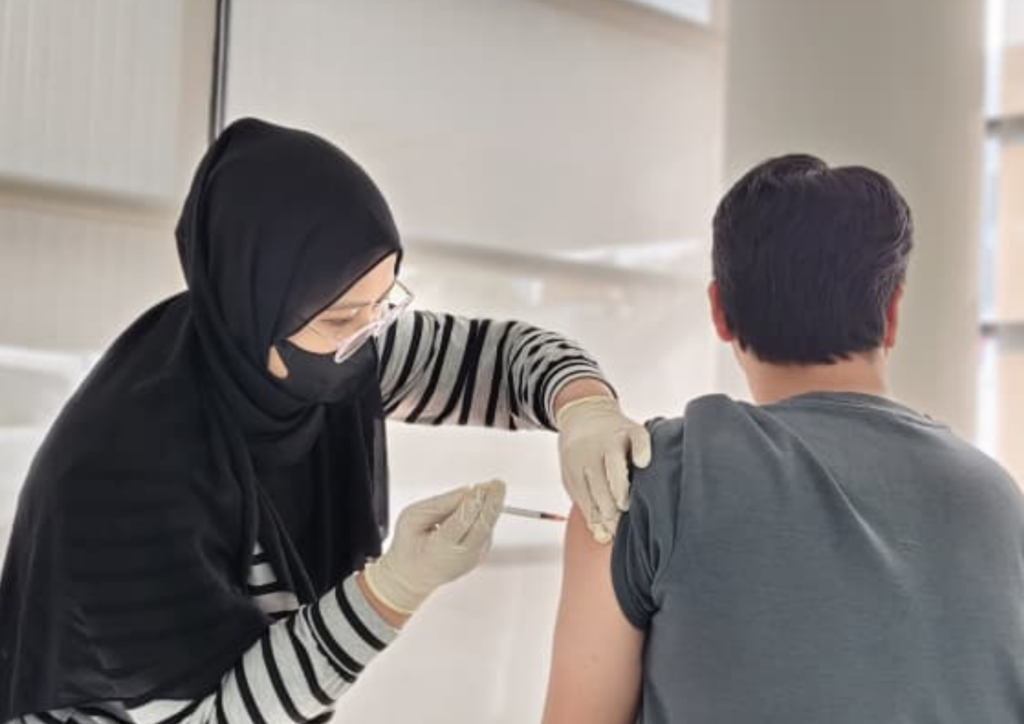
At Vealth.me we work with companies all the time on corporate health and wellness programs.
But times like these serve as a reminder that employee wellbeing extends beyond medical benefits, health talks or simply ticking a box for compliance.
It’s about knowing what matters most to your people and helping them when it matters most.
For SSD Group Holdings, the decision to sponsor the vaccinations was not just about helping employees meet a travel requirement. It was a way of backing an important spiritual landmark in their lives.
But the company didn’t stop there, they also gave employees time off to make the journey. They invested in getting their people ready for it safely.
22 employees in a one trip and a company that made sure their people were taken care of before leaving.
This is what real employee care looks like in the real world.
And sometimes it’s the small things that employees remember for a very long time.
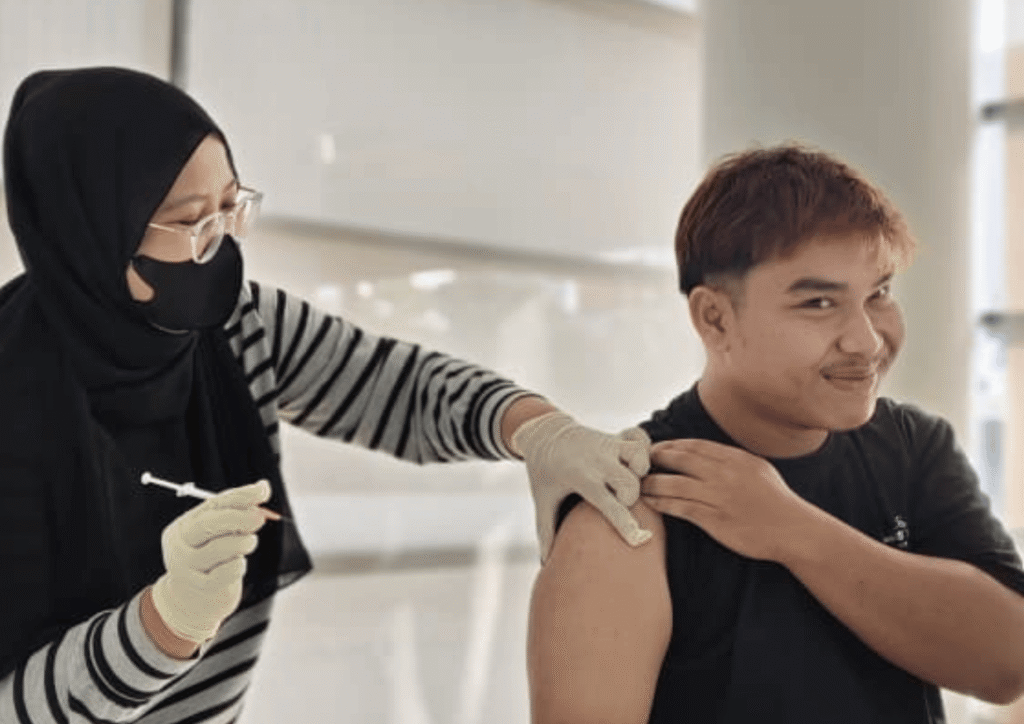
For Jemaah coming from Malaysia, the meningococcal ACWY vaccine is a major entry requirement to Saudi Arabia for Umrah.
Some important points for Jemaah to remember are:
Who wants that?
Meningococcal Vaccine: All Jemaah of 1 year and above must meet the requirement.
When should I be vaccinated?
The vaccination must be given at least 10 days prior to entry to Saudi Arabia. This is why vaccination should not be put off until the last minute.
How long does it last?
Depending on the type of vaccine and current Saudi requirements, the certificate may remain valid for some years. Jemaah are reminded to always check the latest requirements prior to travel.
Why is this important?
Umrah and Hajj are crowded environments attracting millions of Jemaah from all over the world. This opens the door for contagious diseases to spread. Vaccination helps to protect the individual pilgrim and also helps to protect the wider pilgrimage community.
What about documentation ?
Jemaah should check that they have the correct vaccination documentation/certificate, including vaccine details and date of vaccination, as this may be requested on their journey.
For anyone preparing for Umrah, getting the vaccination sorted out early is one less thing to worry about.
It is worth highlighting what SSD Group Holdings has done as it to show how employee benefits can be meaningful when linked to the real lives of employees.
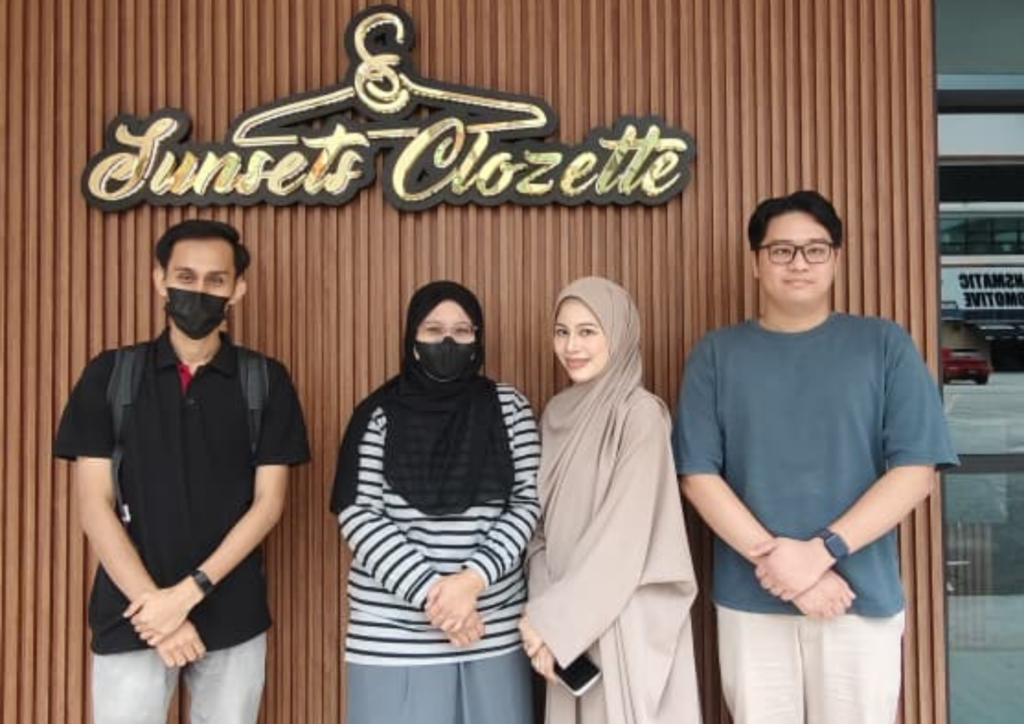
It was a good reminder of why we do what we do at Vealth.me.
Healthcare is more than simply treating someone when they’re sick. Sometimes it’s about being there before the journey begins – helping people prepare, protect themselves and travel with greater peace of mind.
To SSD Group Holdings Sdn Bhd & 22 employees on their Umrah journey this August, we hope that you have a safe journey, a spiritual pilgrimage and a blessed Umrah. Thank you for letting us be a small part of your journey.
Does your company sponsor employees travelling for Umrah or Haji?
Vealth.me provides corporate and on-site vaccination services including meningococcal ACWY vaccination to make pre-travel health preparation easier for organisations and their teams.
If your company is interested in vaccinating your employees in a group setting, please contact Vealth.me to organise a session for your team.
Sometimes doing right by your people means supporting the journeys that matter most to them!
Drug testing is back in the national spotlight in 2026. Following the arrest of a Malaysia Airlines pilot in Jakarta on drug-smuggling charges, the Civil Aviation Authority of Malaysia has mandated 100% screening of active flight and cabin crew, and commentators have called for similar risk-based screening standards for other high-risk sectors such as trucking, rail, heavy machinery and critical infrastructure.
For HR teams outside of aviation, the episode raises a practical question many have been quietly asking for years: can our company test candidates for drugs before we hire them, and if so, how do we do it right?
This guide covers what Malaysian employers can and cannot do regarding standard pre-employment drug testing.
There is no single law in Malaysia that stipulates the rules of drug testing one by one. Instead, employer practice is set by a combination of:
To summarise, the general position is that pre-employment drug testing is permissible in Malaysia but it is not a free pass. Employers must act in good faith, test reasonably and proportionately to the actual risk of the job and have a clear written policy before testing anyone.
In short: You can test, but you need a defensible rationale and a proper process.
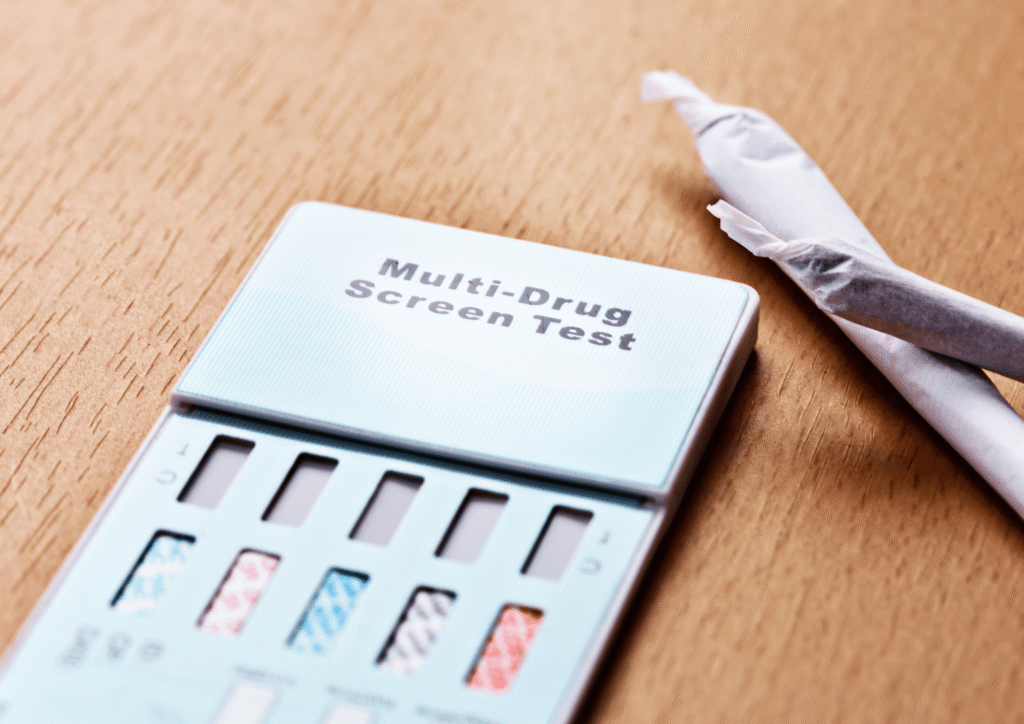
1. Mandate testing as a condition of employment.
It's a common practice, and one that's generally accepted, to tell candidates up front that a clean drug test is a condition of being hired. Candidates can refuse, but should realise that refusal might mean the offer does not go ahead
2. Give priority to safety-critical and high-risk positions.
When testing is tied to real risk such as roles involving driving, heavy machinery, hazardous materials, safety-critical operations or public safety — it is on far firmer ground. That’s precisely why CAAM is calling for 100% screening for pilots and cabin crew, and why sectors such as trucking, logistics, oil & gas, manufacturing and construction have been leading the way in workplace testing in Malaysia.
3. Use accredited methods and providers for testing.
In Malaysia, urine, saliva and hair follicle tests are used, usually administered through an accredited clinic or lab, not informal test kits. "Using a credible third party provider ensures the accuracy of the result and protects the company from disputes down the line.
4. Demand consent and document that consent.
A drug test result is sensitive personal data under the PDPA, and an employer needs the candidate’s informed consent to do the test, and the result must be kept on a need-to-know basis and treated as confidential.
5. Spell out the consequences clearly ahead of time.
A written policy should be given to candidates before testing, explaining the consequences of a positive test for the offer, the appeals process and confidentiality.
1. Test without a policy or without telling the candidate.
Testing without notice and without the backing of a written policy is much more difficult to defend if challenged – and may look more like an arbitrary or discriminatory practice than a legitimate business practice.
2. Blanket testing without job risk linkage.
It’s easier to defend a risk-based approach than it is to test every single candidate for every single role, no matter what the job happens to be. Regulators and commentators in Malaysia have increasingly made the case for proportionate, risk-based screening rather than blanket testing of the entire workforce.
3. Make a decision based only on uncertified test kits.
While informal or non-accredited kits can be a useful preliminary screening tool, using them alone, without confirmatory testing by an accredited lab, leaves the process open to dispute.
4. Bypass the consent and confidentiality steps.
Testing someone without explicit consent, or improperly handling or releasing results to those without a need to know, creates real PDPA exposure — apart from any employment dispute the decision itself may generate.
5. Cut off a candidate’s ability to challenge a result.
Good practice, and DOSH's own guidance, is to allow candidates to query or challenge a positive result (e.g. by asking for a confirmatory retest) rather than to treat one test as final and unappealable.
Before implementing pre-employment drug screening, make sure you have:
- Documented drug and alcohol testing policy, legal review
- Clear criteria of what roles to test, and why
- An authorised partner clinic or lab for testing
- A consent form that candidates sign before any test.
- A defined process for confidentiality and handling of results
- Simple appeal or retest procedure for disputed outcomes
- Consequences of a positive result documented and stated up front
Why This Matters More Than Just Compliance
When implemented correctly, pre-employment drug testing is more than a legal shield, it’s a step toward a safer, more dependable workplace from day one. This shows candidates that your company values safety and fairness, and it protects current employees, particularly in roles where impairment could put others at risk.
When done poorly without consent, without policy, or without fair process - it can create more legal and reputational risk than it solves.
Vealth.me works with Malaysian companies to build compliant, well-managed health screening programs, including pre-employment screening suited to your industry's risk profile.
Get in touch with us to learn more about the screening policy might look like in your workplace.
Disclaimer : This article is for general informational purposes only and does not constitute legal advice. Employers should seek the advice of an employment lawyer before adopting or revising a drug testing policy.
You started a wellness program. Employees participated in the health screening. We did a couple of webinars. The feedback forms returned were positive.
But what do you say when your CEO asks, “Is it working?”
This is the moment many HR managers fear. Not that the program didn't work. But they never put in place the right measures of success to prove that it did. Wellness initiatives are approved on good intentions, killed by not being able to show ROI.
The good news: You can absolutely measure the success of a corporate wellness program and if you know which numbers to track, when to track them and how to present them.
Wellness program don’t just stop working – that’s not why they’re most often defunded. It is that they were never measured correctly to start with. Without baseline data there is no comparison to be made. Without defined KPIs, everything you get feels subjective.” And without a clear reporting structure, the program becomes invisible to leadership, another line item until budget season. Measurement is not an afterthought. It’s the foundation of all else that can be defended.
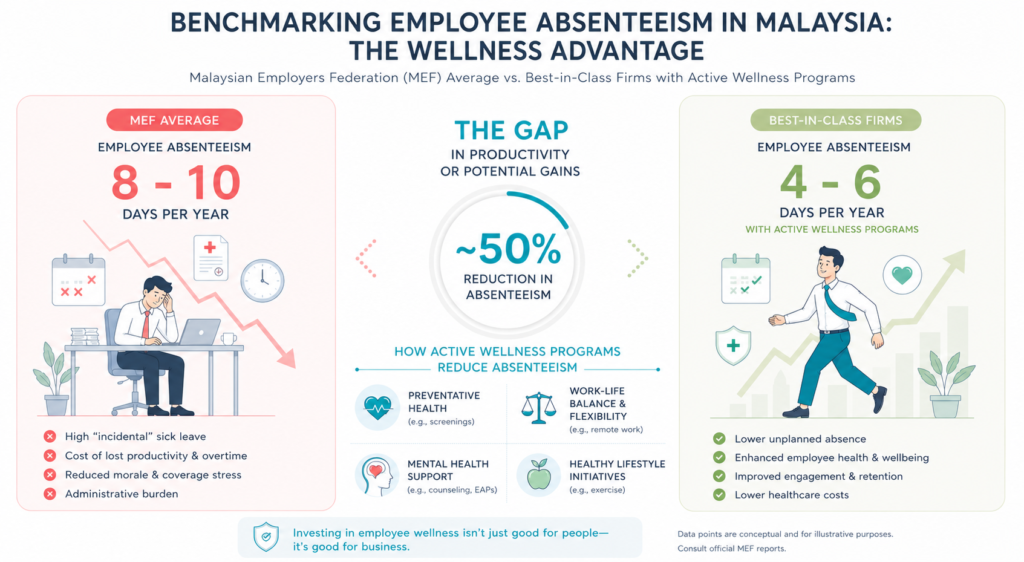
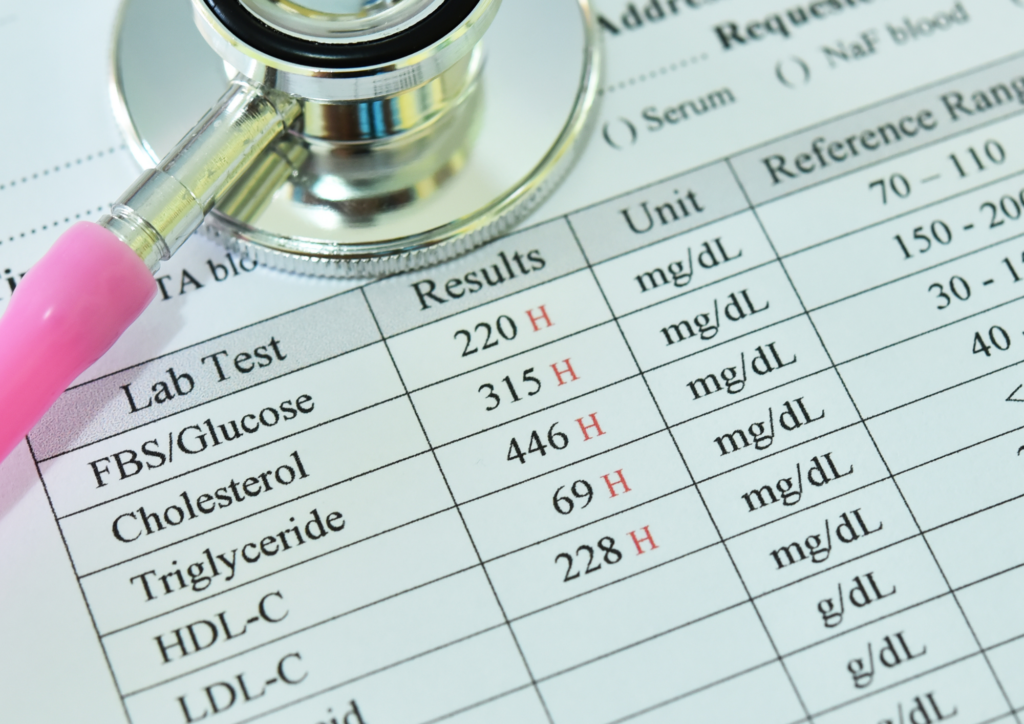
Comparing blood test results before and after the wellness program is the easiest way to track the success of the program.

Medical insurance claims can be compared on a yearly basis.
As for Vealth.me, we can provide data for 3 out of the 6 company KPIs, namely the Program Participation Rate, Employee Health Risk Assessment, and Employee Engagement and Wellness Satisfaction Index.
Our corporate wellness program at Vealth.me has three wellness goals – result-oriented, awareness-based or just a fun environment for employees to learn more about health and wellness.
The program focused on results starts with a health screening to analyze the health status and parameters of the employees. At the end of the program, another health screening is performed to measure the changes and assess the success of the program.
The results are there for all to see. The corporate wellness program, Well-lympics by Vealth.me, has been monitoring the real health data of Malaysian employees since 2021 and the results achieved in only three months show its effectiveness clearly (KPI: Employee Health Risk Assessment).
Our 3- 6 Months Corporate Wellness Program Real Result in WELL-Lympics :
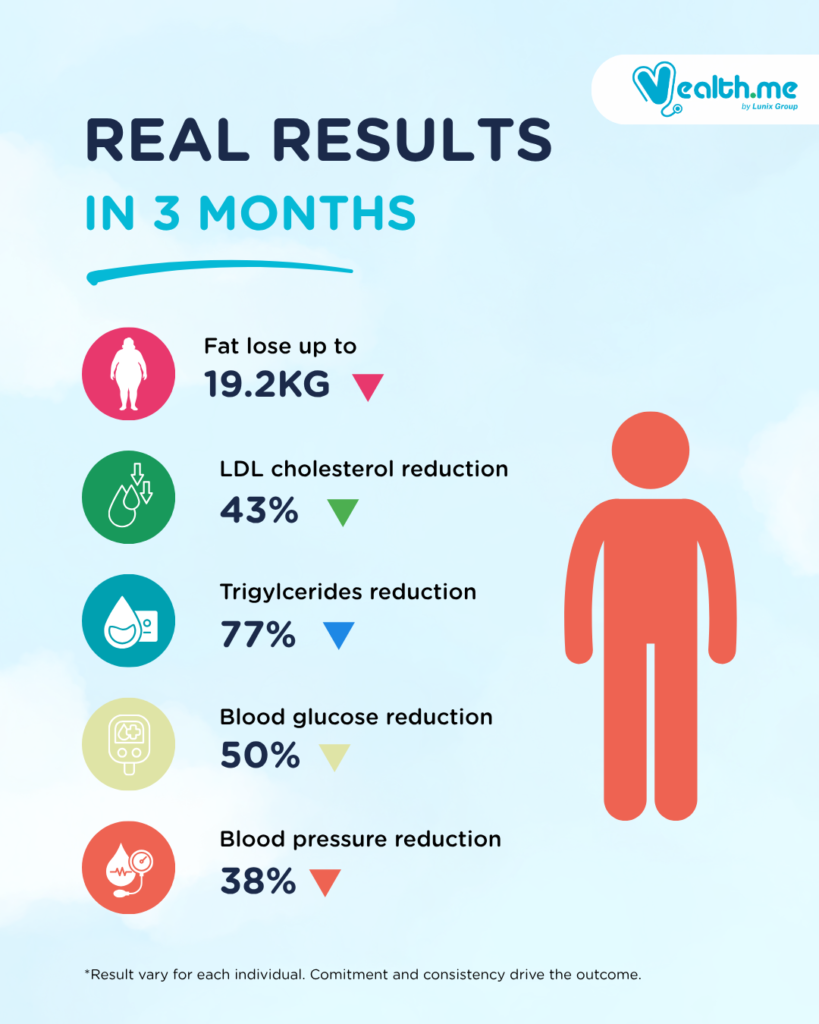
These are not predictions, they are documented results from organized lifestyle change, personal coaching and consistent measurement. The kind of numbers you want to see on your organisation’s wellness dashboard year on year.
The health improvements above are not just personal wins for those who achieved them. These are organisational wins for the companies who invested in making them happen.
Consider what these results mean at scale:
Employees with lower cholesterol and blood glucose are at a significantly reduced risk of hospitalisation, which means lower medical claims and lower insurance costs over time.
Workers with better blood pressure are less likely to experience fatigue, headaches and concentration problems that silently cut productivity every day.
We know that losing meaningful weight during the programme means higher energy, better sleep and improved mood, all of which translate into stronger performance at work.
Employees on a wellness journey say they feel a stronger connection to their team, are more engaged and feel a deeper sense of being valued by their company.
The most common stumbling block is not measurement itself but the absence of a beginning. If you have never collected baseline data, you have nothing to compare your results to.
This is exactly why the first year of any corporate wellness program should be all about a comprehensive health screening. The aggregated results form your organizational health baseline – the benchmark against which every subsequent year is measured.
In that one event you get:
- Your initial health risk profile
- Your first participation rate
- The first data layer
That is where everything else comes from.
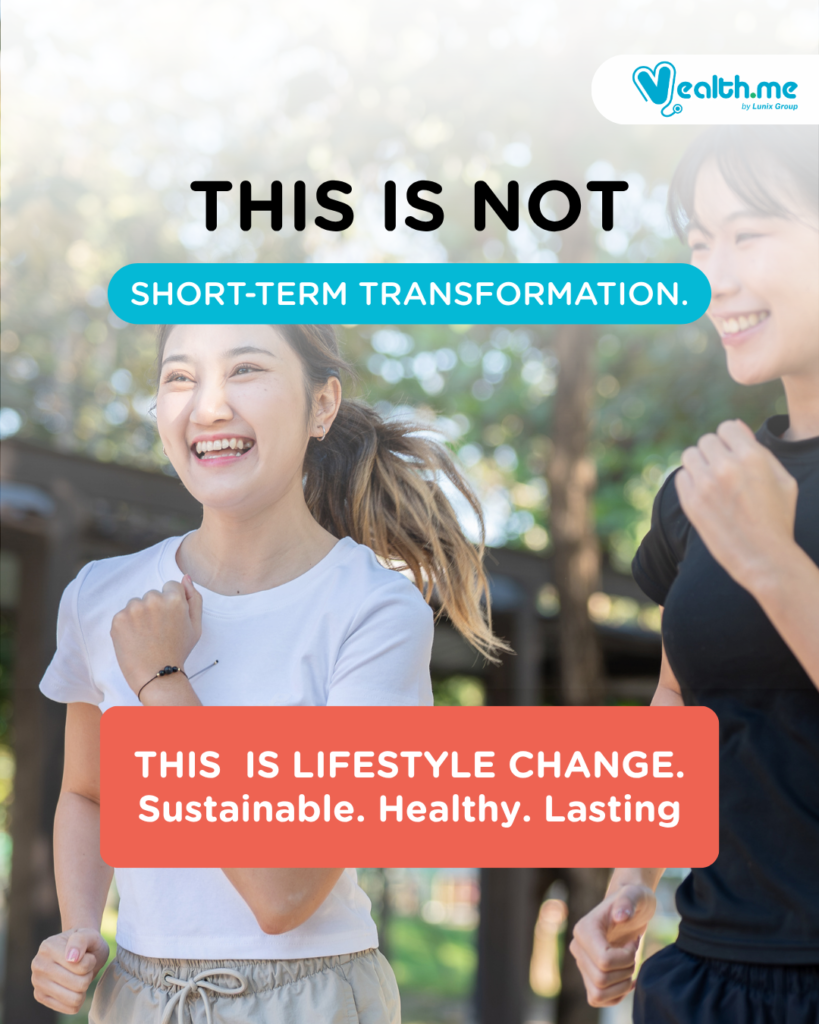
Many corporate wellness programs are one-off events – a health talk here, a step challenge there, that feel good in the moment, but leave no lasting mark on employee health.
Well-lympics is a system, so it's different. A structured, data-driven, professionally supported journey that delivers measurable health outcomes in three to six months – outcomes that stick because they are built on habits, not willpower alone.
If your company has been doing wellness initiatives and doesn’t have results like these to point to, it may need to up its game. Get a corporate wellness program that gives you data.
Each program at Vealth.me generates aggregated workforce health data that giving your company the baseline it needs to begin measuring, tracking and demonstrating wellness ROI.
Our programs are intended to be the cornerstone of a measurable corporate wellness strategy, not a one-time event that fades from memory by the next quarter.
WhatsApp us at 018-959 3957 or Email us at [email protected] to get a FREE Proposal.
If you can measure a wellness program, then you can grow a wellness program.
Malaysian HR managers face the same task every year: organising the company’s annual health screening. And every year the same question comes up and do we send employees to a clinic, or do we bring the screening to them?
Sounds like a straight logistical choice. But the decision is way more than that as it impacts how many employees will take part, how much it costs the business in hidden time, how much stress it adds to your HR team and ultimately – whether your wellness programs actually works.
Let's be honest about it.
The way it used to be. Employees are provided with a list of partner clinics or panel hospitals, asked to make their own bookings and told to go within a stipulated period and usually within a quarter or before their employment anniversary.
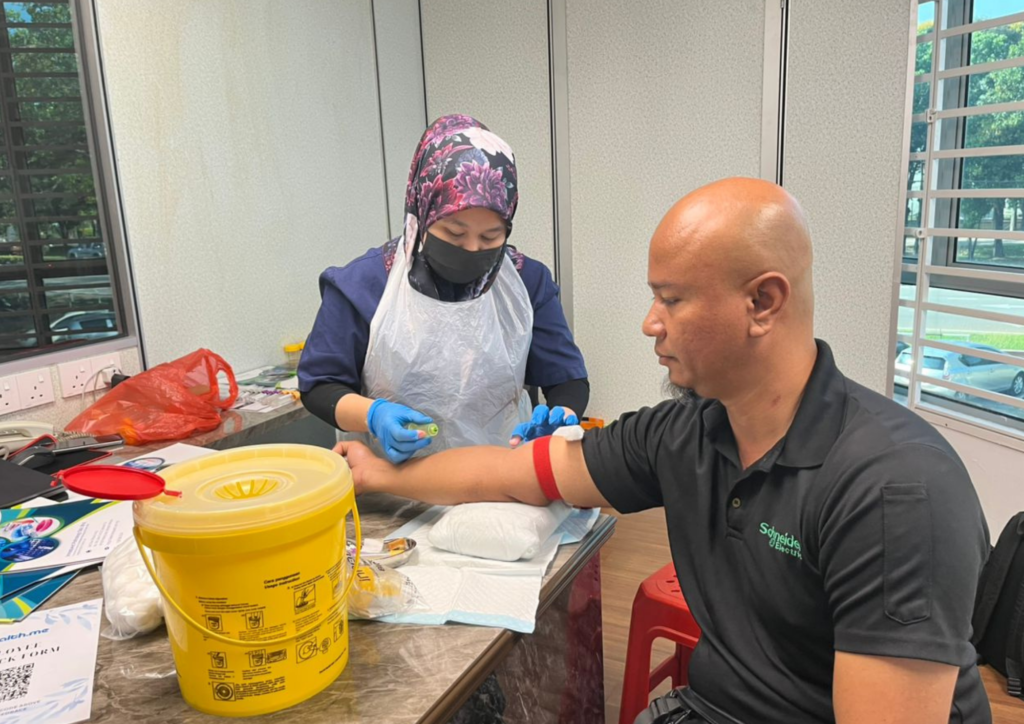
A professional health screening team will come directly to your office, factory or facility. Screening is done on-site during working hours, with employees passing through in organised groups during the day. This is not a newer or less rigorous approach, just a smarter one.
This is the most common assumption and it deserves a straight answer.
When you calculate the real cost of a clinic-based programme, the figures can tell a different story:
On-site health screening brings all of this together into one efficient, well-managed event. For most companies, especially those with 20 or more employees, the total cost, when properly measured, is about the same or lower, and the results are much better.
On-site health screening is a benefit to nearly any Malaysian company, but is especially useful for:
We come to your workplace fully equipped with our own tools, people and supplies. We offer our signature 10-Minute Health Check which includes the blood and urine test and you can also do diagnostic machine test such as body composition analysis as well as ultrasound.
We adjust our services to fit your schedule, manage the flow of employees through the screening process, offer individual result summaries, and identify any employees who may require additional attention.
Once the session has concluded you receive a compiled health report and health data statistics for your organisation providing HR and management with meaningful data on workforce health trends, while protecting employee privacy.
If you’re serious about wanting to understand the health of your workforce, show employees that their wellbeing matters to you, and get data that helps your company make better decisions, then on-site health screening is for you.
Clinic-based programs put the burden on employees and provide incomplete results. On-site program place the responsibility where it belongs with a professional partner who does it all, so you can focus on what the outcome delivers.
Corporate health screening services on-site in Malaysia for companies of all sizes and industries.
Our packages are flexible, professionally delivered and designed to maximise participation with minimum disruption.
Let’s come to you, the easier it is for your employees the more likely they are to show up.
WhatsApp us at 018-959 3957 and connect with us now!
Mental health is no longer a personal issue; it is a business issue. Currently, employees in Kuala Lumpur, Penang, Johor Bahru, and across Malaysia are silently battling stress, anxiety, and depression. And most employers have no idea it is going on or how much it is costing them.
A landmark study by RELATE Malaysia estimated that the cost of mental health problems in the workplace for the Malaysian economy was RM14.46 billion in one year. Absenteeism was RM3.28 billion, presenteeism RM9.84 billion and staff turnover RM1.34 billion. Krinstitute That is a large number. That is 1% of the whole country’s GDP, a silent bleed on businesses in every sector.
If you are an HR manager, a business owner, or a CEO, this article is for you. Understanding the mental health crisis in your workforce is the first step to protecting your people!
Malaysia has a much higher prevalence of mental health problems than many people know. According to the National Strategic Plan for Mental Health 2020-2025 published by the Ministry of Health Malaysia, the prevalence of mental health problems among individuals aged 16 years and above in Malaysia was 29.2% in 2015, with East Malaysia having the highest prevalence of 43% followed closely by Kuala Lumpur at 40%.
Things have not gotten better since. The National Health and Morbidity Survey (NHMS) 2023 has revealed that the depression rate in Malaysia has doubled between 2019 and 2023. WHO The same survey found that depression is currently affecting about one million Malaysians (4.6 percent of those over age 15) with nearly half of those affected reporting thoughts of self-harm or suicide.
A national study found that 53% of Malaysian working population suffer from high work-related stress with one in five employees reported symptoms of anxiety and depression. But just 13% of staff know of any wellbeing interventions in their company, even though 63% of employers recognise the impact of employee health and wellbeing on company success. There is a grave gap between knowing and doing.
The government has taken steps to address this. The Ministry of Health launched the National Strategic Plan for Mental Health 2020–2025, which aims to make mental health a priority across all ministries and agencies. The plan's core aims include reducing adolescent depression rates from 18% to 10% by 2025, with the National Centre of Excellence on Mental Health (NCEMH) leading the development of comprehensive action plans supported by WHO and UNICEF.
NGOs such as MIASA and RELATE Malaysia have also been active in raising awareness and offering support services. However, Malaysia’s Budget 2024 only allocated 0.89% of the healthcare budget to mental health, a decrease from 1.11% in Budget 2023, and still far below the WHO’s recommendation of 2.40% for upper middle-income countries. This puts a big burden on employers to deal with mental health in the workforce. And if nothing changes, the consequences will only get larger.
What happens when mental health goes ignored: The warning from Japan!
Malaysia need not look far to see where this leads. In Japan, the failure to treat workplace stress has led to a national crisis of karoshi, or “death by overwork.” Japan’s Ministry of Health, Labor and Welfare announced 1,304 recognised cases of overwork-related deaths and health disorders in fiscal 2024, with 1,057 of them involving depression and other mental health disorders, the first time that mental health cases have exceeded 1,000 in a year. Japan’s 2022 white paper showed 2,968 people died by suicide linked to karoshi in that year, compared with 1,935 in 2021.
This is not just a problem for Japan. The WHO and ILO jointly estimated that in 2021, health conditions related to overwork were associated with nearly 750,000 deaths worldwide. The lesson for Malaysian employers is clear: if stress at work and mental health struggles are left unaddressed, the human cost is irreversible. The legal and reputational cost to organisations is enormous.
Many employers think of mental health as a "small" issue. But its financial impact is very concrete. It shows up in three very specific ways: absenteeism, presenteeism, and employee turnover.
Absenteeism
The most obvious cost is absenteeism : workers are sick, or taking long-term medical leave for mental health issues. A study conducted by RELATE Malaysia estimated that absenteeism alone costs Malaysian employers RM3.28 billion a year. When employees are absent, it creates a backlog of work for their colleagues, missed deadlines, and a loss of productivity for the team as a whole.
Presenteeism : The hidden cost everyone ignores.
The bigger but less visible problem is presenteeism. It describes employees who are present at work but are not mentally present and unable to focus, make decisions or perform at their usual level because of stress, anxiety or depression. Presenteeism made up the largest part by RM9.84 billion.
Think about what that looks like in practice. An employee is at their desk every day, answering emails, attending meetings. But they are running at 50% capacity. They did errors, response times slow and customer relationships suffer. And because the person is physically present, most managers never realise anything is wrong.

High staff turnover
When employees are mentally exhausted, burnt out, or feel unsupported, they leave. Staff turnover linked to mental health costs Malaysian employers RM1.34 billion annually. Replacing an employee typically costs 50% to 200% of their annual salary when you factor in recruitment fees, onboarding time, training, and the productivity dip while the new hire gets up to speed. For a company of 200 people, even a small increase in turnover from mental health reasons can cost hundreds of thousands of ringgit each year.
A 2024 survey of 1,015 employees in Malaysia found that burnout had risen sharply from 58% in 2022 to 67% in 2024, with millennials suffering the most at 69%. If the majority of the companies in Malaysia have a workforce that is predominantly made up of employees in their 20s and 30s today, then you should be very worried about this trend.
The good news is that mental health is preventable and treatable in the workplace. And the ROI is real. The World Health Organization says on average, for every dollar a company spends on mental health support, it gets back four dollars. This isn’t charity but it’s smart business.
Here is what a practical, effective corporate mental health program looks like:
1. Mental health talks and awareness workshops
The first step is to break the silence. Many employees suffer in silence, not realizing that what they are experiencing has a name, or that help is available. The conversation starts with a formal mental health discussion – carried out in the workplace by a trained professional. It normalises the subject, reduces stigma and helps employees identify warning signs in themselves and their colleagues.
Topics covered in these sessions can include managing stress, recognising burnout, building emotional resilience and when to seek professional help. At Vealth.me, our mental health talks on site are customized to your team’s industry and challenges.
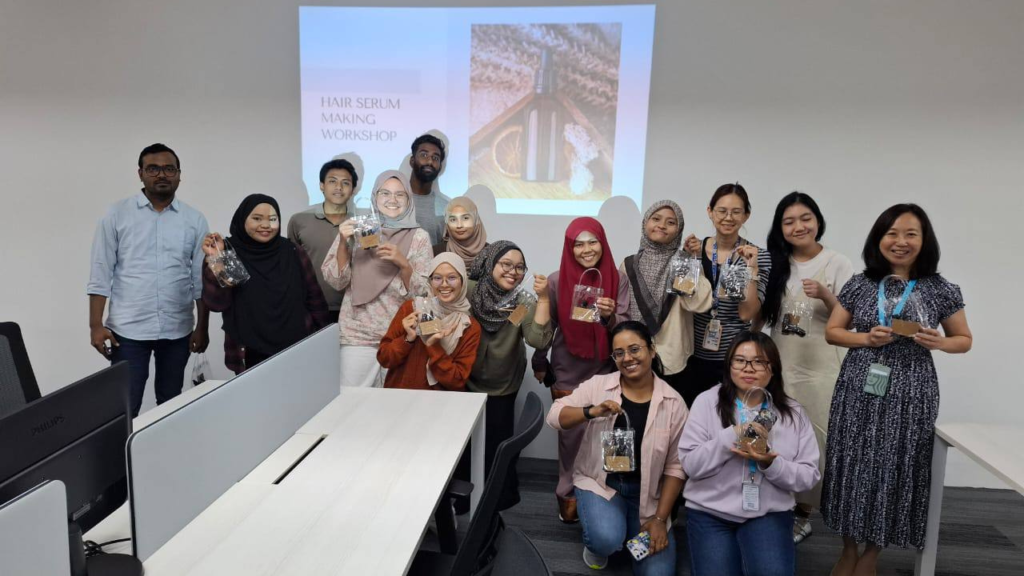
2. Stress-release and team bonding activities
Chronic workplace stress accounts for most mental health decline at work. Activities that get employees to laugh, unwind and reconnect with their colleagues are not just “fun” but they are therapeutic. Art therapy sessions which are one of the most effective tools for employees to express difficult emotions in a safe, non-verbal manner. Team bonding activities with wellness features are a long-term investment, unlike one-off events that are forgotten in a week.
This philosophy is the cornerstone of Vealth.me’s wellness programs that are designed to blend wellbeing with genuine team connection, so staff walk away feeling better about themselves and their work environment.
3. One-to-one consultation and counselling access
One-to-one support is essential for employees who are already struggling. Employees can access confidential one-on-one consultation either with a wellness professional or a clinical counsellor, allowing for a private space to process what they are going through without fear of judgement from management or colleagues.
By introducing this as part of a corporate wellness program, employees in crisis will have somewhere to turn before a small problem becomes a serious one.
4. Long-term, structured wellness programs
One-off events don’t drive cultural change. But what really moves the needle is a structured corporate wellness program over 3 to 6 months, a blend of regular activities, health screenings and ongoing support. It tells employees that the company cares about their wellbeing, that it’s not just a box to tick during HR week.
The best thing? In Malaysia, corporate wellness programs that include mental health components are HRDC claimable, meaning you can offset the cost through your Human Resources Development Fund contributions. There is really no reason to hold out.
Mental health is not a problem of the future. It’s happening in your company right now. That is the question, will you choose to address it proactively or wait for the cost to show up in sick leave, resignations and a declining team performance.
63% of employers in Malaysia acknowledge that employee health and wellbeing impacts organisational success but only 13% have taken formal steps to act on it. That’s an opportunity. Companies that invest in the mental health of their people today will have healthier, more loyal and productive teams tomorrow.
If you are looking for a mental health program for your employees, contact Vealthme today. Our team of certified wellness professionals designs customised programs for companies across Malaysia, from mental health talks and stress management workshops to team bonding activities and one-to-one counselling. We come to your office, so there is no travel time and no disruption to your workday.
Reach out to us at vealthme.com or drop us a message at [email protected] to find out how we can support your team.
Business success today is about more than profit. In Malaysia, companies are adopting Environmental, Social and Governance (ESG) and Corporate Social Responsibility (CSR) practices. This change is not just a trend but it is now a necessity.
The United Nations Sustainable Development Goals (SDGs) encourage Malaysian businesses to rethink what success means. Now, companies aim to balance profit, sustainability, and social impact.
ESG is about how a company manages its impact on the environment, society, and its own governance.
CSR focuses on voluntary efforts that help the community and support social well-being.
Although ESG and CSR are different, they work together to:
In Malaysia, ESG is becoming more important because regulators, investors, and consumers want greater transparency and accountability.

Malaysia is quickly adopting sustainability. Public-listed companies must now share their sustainability practices, and ESG reporting is becoming a key part of annual reports.
Government agencies and frameworks such as:
These agencies encourage organizations to adopt ESG principles and include them in their main strategies. This change makes it clear that sustainability is no longer optional. It is now essential for businesses.
Companies are no longer focused only on financial gains. ESG encourages them to create value for society through environmental conservation, ethical practices, and community involvement.
Employee health and well-being are getting more attention as part of the Social aspect of ESG.
Organizations are investing in:
This supports SDG 3: Good Health and Well-being, and shows that healthy employees are more productive and increase brand trust and reputation.
Consumers today prefer brands with a clear purpose. Companies involved in CSR activities like community outreach, sustainability campaigns, and employee volunteering build stronger trust and loyalty.
Younger generations, especially Millennials and Gen Z, are more likely to choose employers who share their values.
Having strong ESG and CSR programs helps organizations:
ESG helps companies find and manage risks related to:
This approach leads to more sustainable and long-term growth strategies.
As companies put ESG and CSR strategies into action, wellness-focused initiatives are becoming more important. Platforms like Vealthme help organizations run meaningful CSR programs that directly benefit employees and communities. Here are some examples of CSR-aligned programs:
Health screening programs help find early risk factors for chronic diseases and promote preventive care. Companies can also offer these programs as CSR initiatives for underserved communities, raising health awareness and improving access. Some of the activities are:
a) Sponsored Blood Test for Underprivileged Groups : Blood and Urine Test, Vaccination
We are planning to grow our health-focused CSR programs by adding new dialysis-related projects. These efforts will help support patients and make a positive difference in community healthcare. Other than that, we also conducted wellness-related CSR program to those in need.
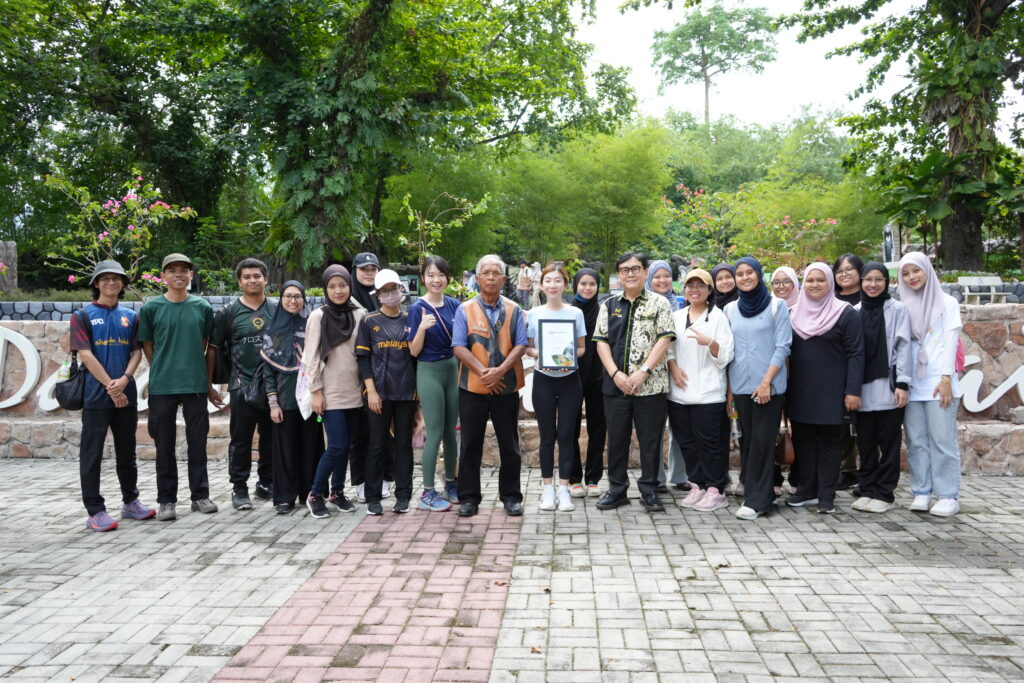
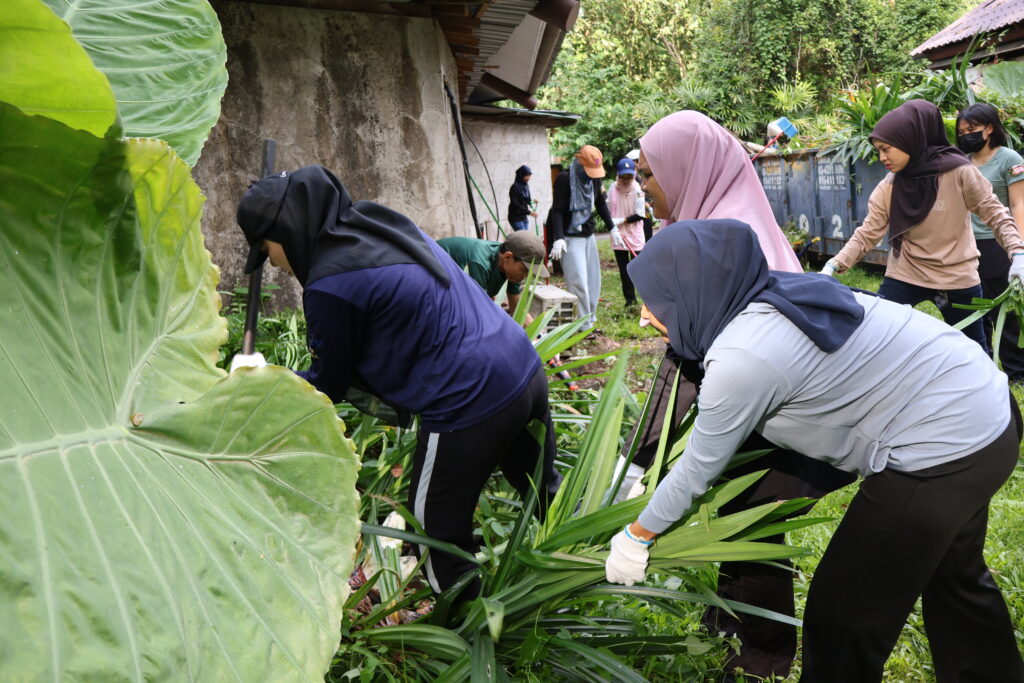
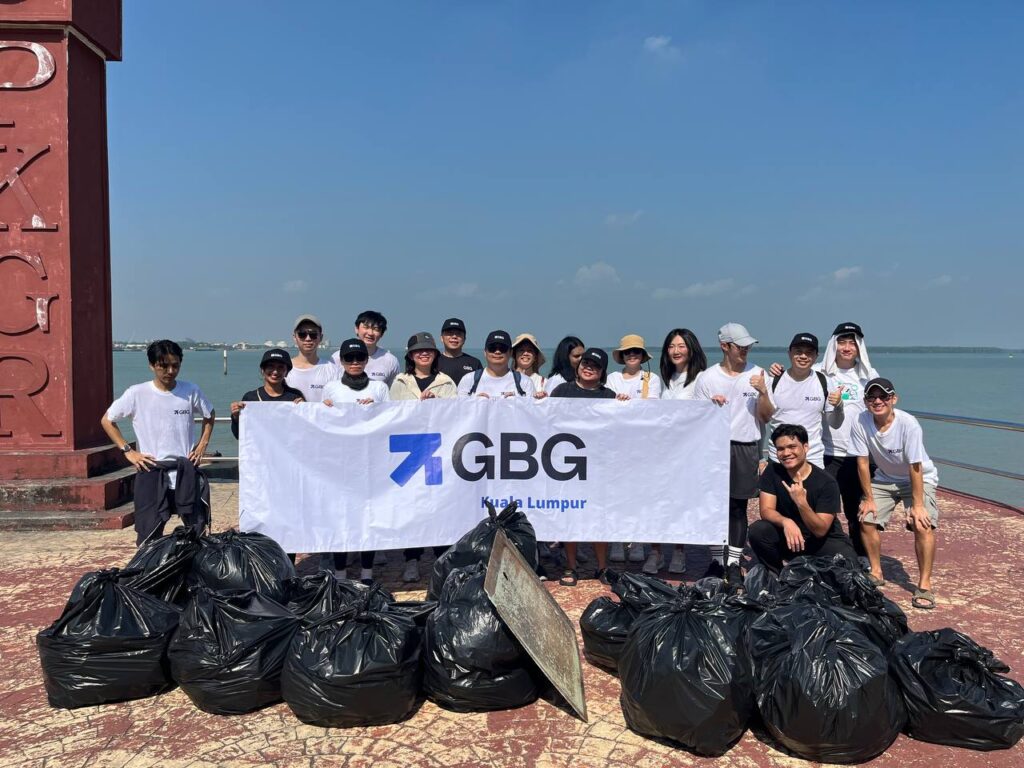
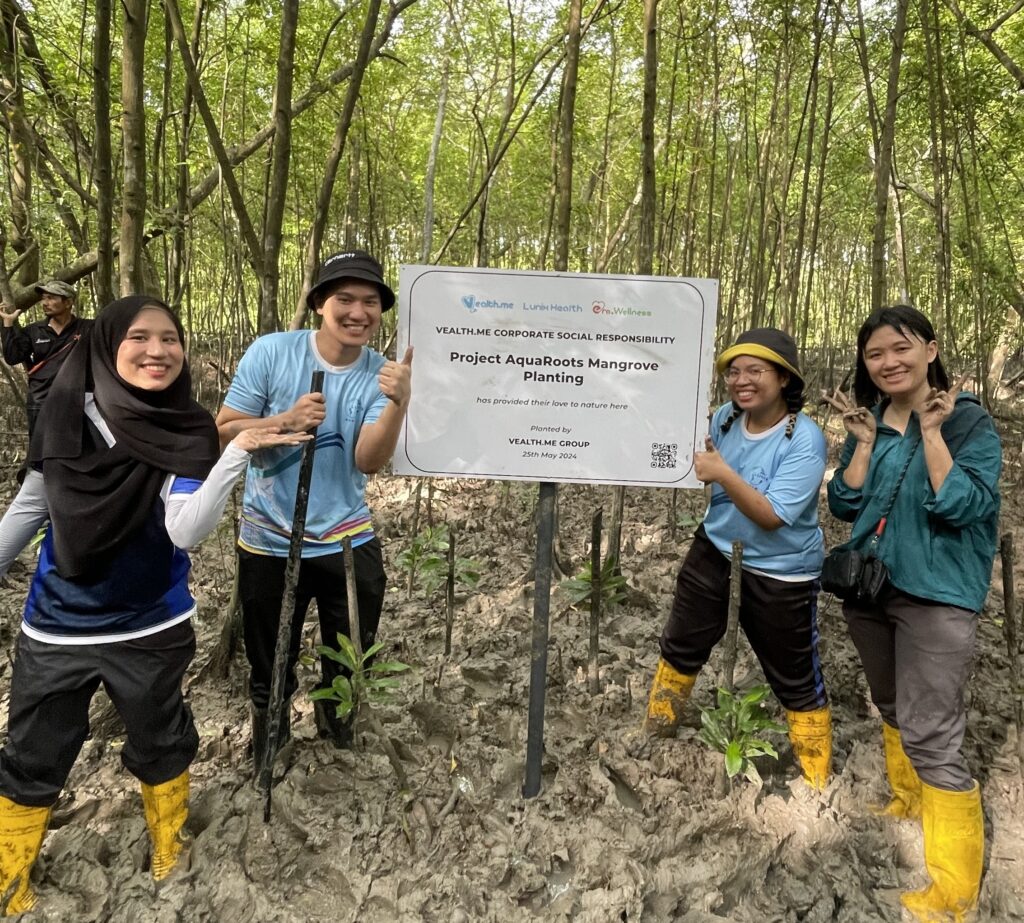
At Vealth.me, we have been helping organizations deliver environmental-focused CSR programs across Malaysia since 2024. Our work supports companies in creating sustainable impact and engaging their employees. As demand increases, we are expanding these initiatives. Here are our programs :
a) Zoo Negara Grooming and Maintenance
b) Beach Cleaning Program
c) Mangrove Planting
For Malaysian organizations, including wellness in ESG strategies is a powerful way to make a real impact in the organization.
As Malaysia’s economy grows, the focus is shifting to sustainable and inclusive development. ESG and CSR are more than frameworks but these principles will help organizations to:
The shift to ESG and CSR marks a new era for Malaysian companies, where profit and purpose work together. Sustainability, employee well-being, and social responsibility are not only helping to build a better future, but are also positioning companies for long-term success.
If you want to start an ESG or CSR program, get in touch with us. We can create a plan that fits your company’s values.
Corporate wellness massage became a trend in 2025 as many companies began recognizing it as a workplace wellness initiative. However, is it just a trend or are they really working to improve employees’ mental wellness? Corporate wellness has become increasingly important as rising workplace stress and burnout have led to reduced productivity and unhappy employees. To tackle this issue, physical and mental wellness approaches must be implemented simultaneously to ensure the desired result. As for that, corporate wellness massage is one of the practical solutions that combine physical and mental wellness aspects for corporate employees, and it has become a trend in the past few years.
What is Corporate Wellness Massage in the Workplace?
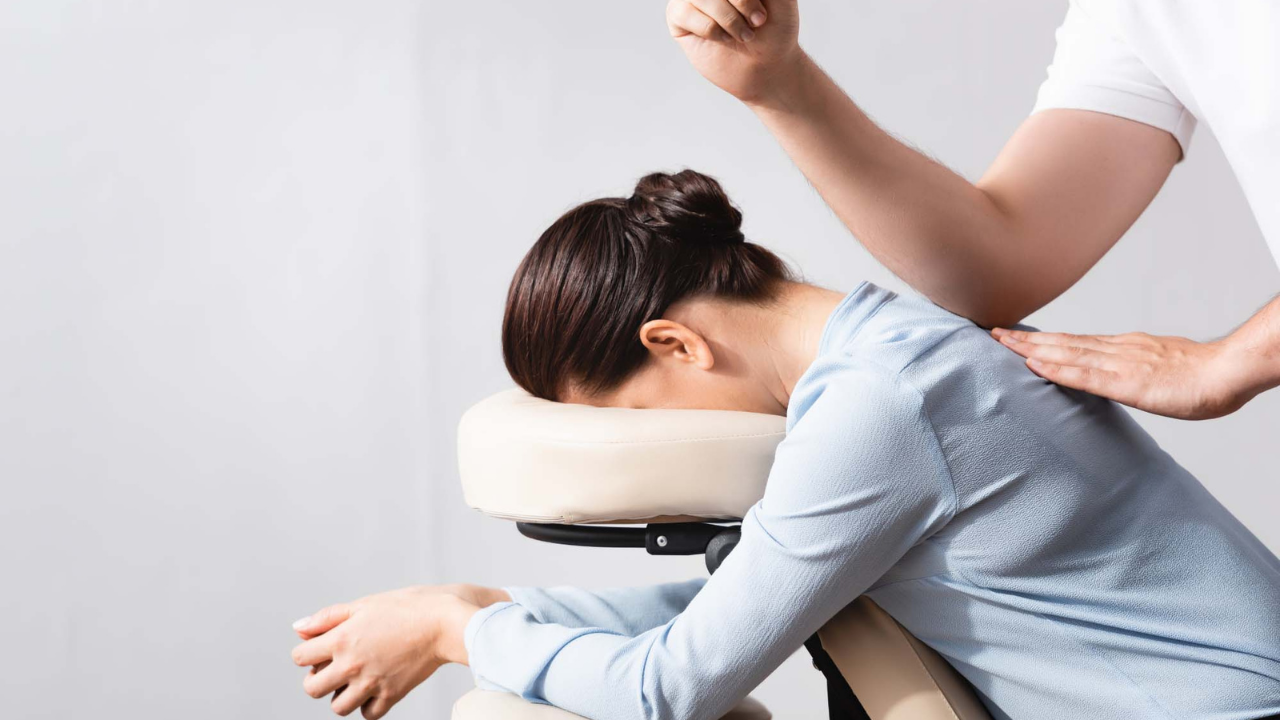
Corporate wellness massage is a service where professional massage therapists are invited to the workplace to provide massage therapy for about 20-30 minutes per session. It is usually a clothed, chair-based session that focuses on the neck, shoulders, and back to reduce stress, improve circulation, and promote relaxation for employees. It is convenient that this session will be held on-site at the workplace, which aligns with the slogan “bring wellness to the workplace” for the employees’ benefits. The differences between corporate massage therapy and spa massage are that no oil is needed for corporate massage, and it can be done in an open space, and in a group, while spa massage is more of a private session between client and masseur.
What is the Importance of Corporate Wellness Massage to Employees?
Even though corporate massage sessions are considered short-term, less than 20 minutes, they will provide benefits to employees' well-being. Corporate wellness massage is conducted to address common problems employees may face in the workplace, such as sore necks, shoulders,and backs due to prolonged sitting. Sometimes, employees just need time to sit back and relax, and a massage is just what they need to reduce stress and burnout in the workplace. At Vealthme, we held numerous corporate wellness sessions, and from our experience, we can conclude that massage therapy can make employees happy with a quick session, improve their overall mood, and address workplace fatigue.

The Benefits of Corporate Wellness Massage to Organizations
Corporate wellness massage has become a practical and popular workplace wellness initiative for supporting employee wellbeing. More than just a perk, it brings real benefits to organizations by improving engagement, boosting productivity, and helping manage long-term costs.
1. Increased Employee Engagement
When companies offer corporate wellness massage, employees are more likely to join in wellness activities. This helps them feel supported and valued, which increases their engagement and connection to the organization. As a result, employees become more committed and motivated at work.
2. Stronger Employer Branding
Including massage therapy in a corporate wellness program shows that a company truly cares about employees’ physical and mental health. This can improve the company’s image as an employer, making it more appealing to current staff and attracting new talent.
3. Improved Morale and Productivity
Massage therapy can help lower stress, ease muscle tension, and reduce fatigue. This helps employees feel more relaxed and focused at work. With better morale, employees can be more productive and work more efficiently, which benefits the organization.
4. Reduced Absenteeism and Healthcare Costs
Regular massage therapy can help prevent work-related discomfort, stress, and burnout. By focusing on preventive health, companies can reduce sick leave and lower long-term healthcare costs.
Type of Corporate Wellness Massage Programs
Corporate Massage programs can be done in a variety of timelines or combined with other programs. The most common massage program is a one-time event during wellness day or health-related event at the workplace. There will be a massage booth that employees can drop by and get their massage session.This the common practice for corporate wellness massage programs in Malaysia.
Other than that, there are companies that signed up for a quarterly wellness program just only for massage sessions that will be done periodically in the workplace. At Vealthme we offer periodic massage wellness along with our corporate wellness program and the company can customise the massage therapy session according to employees availability because different industries might have different arrangements in operating and conducting a wellness program.
Is corporate wellness massage convenient to all industries? It varies with workplace space and availability. The office and corporate environment is more suitable for corporate massage than the manufacturing setting, however nothing is impossible. Sometimes to set a massage space will just need a room that can accommodate 2 chairs at least for the massage sessions.
How to Implement a Corporate Massage Program in Your Workplace?
As an employer, bosses and HR want the best for their employees. It is essential to provide a program that employees need rather than one that meets wellness KPI without a proper plan and desirable results. The first step before implementing a corporate massage program is to identify employees' wellness needs and determine whether they are suitable for the program. If they are not suitable, it will most likely be a waste of time and money to conduct a program. Here is the program flow of conducting a corporate massage program in the workplace:
Step 1 : Identifying employees' wellness needs
It is important to know whether the massage program will be successful and achieve strong employee engagement. The first step is to conduct a survey to assess participants' overall satisfaction with the program provided. In the survey, include the desired massage session and time. In the survey, ask for additional information, such as what makes them think massage sessions will benefit them, as this will be a strong reason why a company should conduct a massage program for employees. This shows the company is conducting a program to address employee needs and satisfaction rather than because of a wellness KPI.
Step 2 : Deciding on the session frequency
Knowing the nature of your business work hours is important to match the massage time and working time. To make it frequent, a once-a-week session is sufficient for employees. Additionally, a massage session can be incorporated into a wellness event or program that suits the company's wellness activities.
Step 3 : Choose your wellness provider
This is a crucial step in implementing a corporate wellness massage program; choosing a suitable wellness provider is vital to ensuring your program is successful. The wellness provider must be able to address your company and employee needs. Usually, HR will take some time to determine the market price and compare providers. In short, finding providers who can plan and execute programs within the company budget is important to ensure there are no issues, especially in the financial part.
Step 4 : Execute the program
Step 4 is to execute the program as agreed with the wellness provider. During the session, do not forget to take pictures of the activities for reporting purposes.
Step 5 : Measure engagement and feedback
The final step in conducting any wellness program in the corporate setting is to measure the engagement and feedback. This is highly important for measuring the event’s success and for identifying opportunities to improve. This feedback is not only for the organization but also for the wellness provider to recognize their performance in conducting the event. If the feedback is positive, the company can consider the repeat corporate massage program.
Investing in Employee Wellbeing Through Massage: Just a Trend or Essential?
Corporate massage therapy is not just a trend but an approach to improve employees’ well-being. Whether it is essential for employees depends on their needs regarding the corporate massage wellness program. Corporate massage wellness is just one of the corporate wellness programs; your company can explore others that suit your needs. The important point is to address your employees’ needs and fulfil their satisfaction in the workplace.
If you are looking for a corporate massage program in the workplace, do not hesitate to contact us for more information. At Vealthme, we provide CSR-focused corporate wellness massage through our WELL-therapy program, engaging blind massage therapists, and this will be a new experience for both employees and organizations, advancing a new trend in corporate wellness.
