
A Corporate Health & Workplace Wellness Guide for Employers
Ramadan is an important month for Muslim employees, marked by fasting, reflection, and spiritual growth. For employers in Malaysia, it is also a good time to strengthen their corporate health strategy and show inclusive leadership. Companies that support their employees during Ramadan often see higher engagement, loyalty and morale.
According to the Ministry of Health Malaysia, Malaysia continues to face rising rates of obesity, diabetes and hypertension that eventually lead to chronic diseases. A proactive wellness program helps employees stay productive and healthy. During Ramadan, changes in eating patterns, hydration and sleep cycles can affect:
All these are important aspects that can affect work performance. Making sure your employees can maintain their productivity during Ramadan and work as normal days. Here is what companies can do to support employees during Ramadan:
Fasting employees may experience fatigue, especially in the late afternoon. Being flexible shows understanding and helps keep the business running smoothly. Companies can support by:

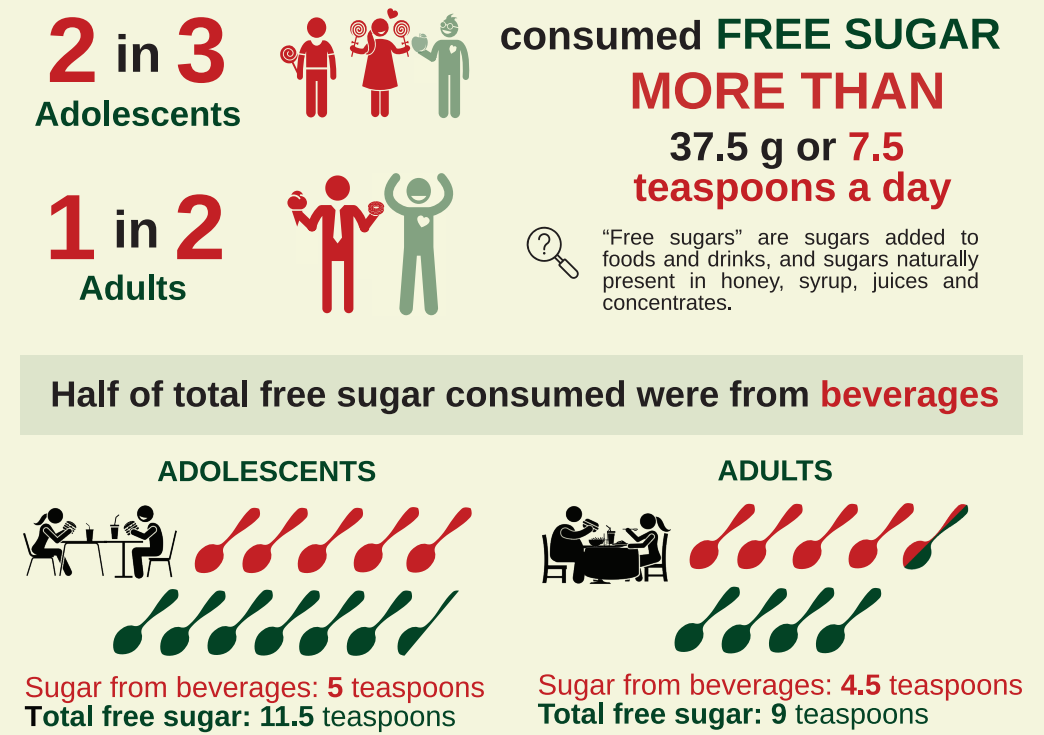
Malaysia has one of the highest sugar consumption rates in Southeast Asia. Consuming excessive sugar intake can lead to weight gain and induce diabetes. It is vital for everyone to be aware of consequences if they consume excessive sugary drinks or snacks when breaking the fast. During Ramadan, employers can:
These steps help build a healthy workplace culture and support national health goals.
Corporate companies can organise a Corporate Wellness Program during Ramadan. Fasting doesn't mean the employer should stop any workplace activities. It is actually the best time to conduct it and ensure your employees can enjoy their Ramadan as well. A well-planned corporate wellness program during Ramadan can include:
Even small efforts can make a big difference in employee engagement.

Ramadan is spiritually meaningful, but balancing work, family and worship can be demanding. Showing care for employees can boost morale and help keep staff such as companies can:

Ramadan is spiritually meaningful, but balancing work, family and worship can be demanding. Showing care for employees can boost morale and help keep staff such as companies can:

It is important to ensure workplace safety, especially for physical roles, by monitoring heat exposure, allowing additional rest breaks, and adjusting heavy lifting tasks for manufacturing, construction, and field-based employees. Keeping the workplace safe is a key part of looking after employee health.
It is important to ensure workplace safety, especially for physical roles, by monitoring heat exposure, allowing additional rest breaks, and adjusting heavy lifting tasks for manufacturing, construction, and field-based employees. Keeping the workplace safe is a key part of looking after employee health.
Adding health checks to your wellness program before Ramadan can help lower health risks during the fasting month.
Ramadan is more than a religious month but it is an opportunity for company. It is also a chance to strengthen employee trust, promote healthier habits and reinforce inclusive workplace culture to reduce long-term health risk. Companies that focus on employee well-being during Ramadan build stronger and more resilient teams.
Supporting employees during Ramadan is more than just a policy. It shows what leaders value. A well-planned health strategy during Ramadan shows empathy and a long-term commitment to employee well-being.
Healthy employees help build sustainable organizations.
Ramadan is a time for reflection and it also gives everyone a chance to reduce their weight through fasting, as it is considered to kill 2 birds in 1 stone. However, conducting it in a healthy way is what many people miss out on every Ramadan; as a consequence, they gain weight instead.
Before we go deeper into the topic, let’s discover why it is important for everyone to gain awareness of weight issues in Malaysia.
Weight loss is more than just looking good. It is an important public health issue. According to the Ministry of Health Malaysia, Malaysia has one of the highest obesity rates in Southeast Asia.
National surveys show:
Even Malaysia’s Prime Minister, Dato' Seri Anwar Ibrahim, has publicly encouraged Malaysians to reduce sugar consumption, especially in drinks, to combat rising diabetes and obesity rates.
As obesity and diabetes rates rise in Malaysia, everyone has an important role in encouraging healthier habits for a healthier nation. To lose weight, reducing food intake is the first step, and Ramadan is the best month to start for Muslims. However, for those who are not fasting, you can make it a challenge to try fasting, even as intermittent fasting.
Yes, but without the right guidance, many people end up gaining weight instead.
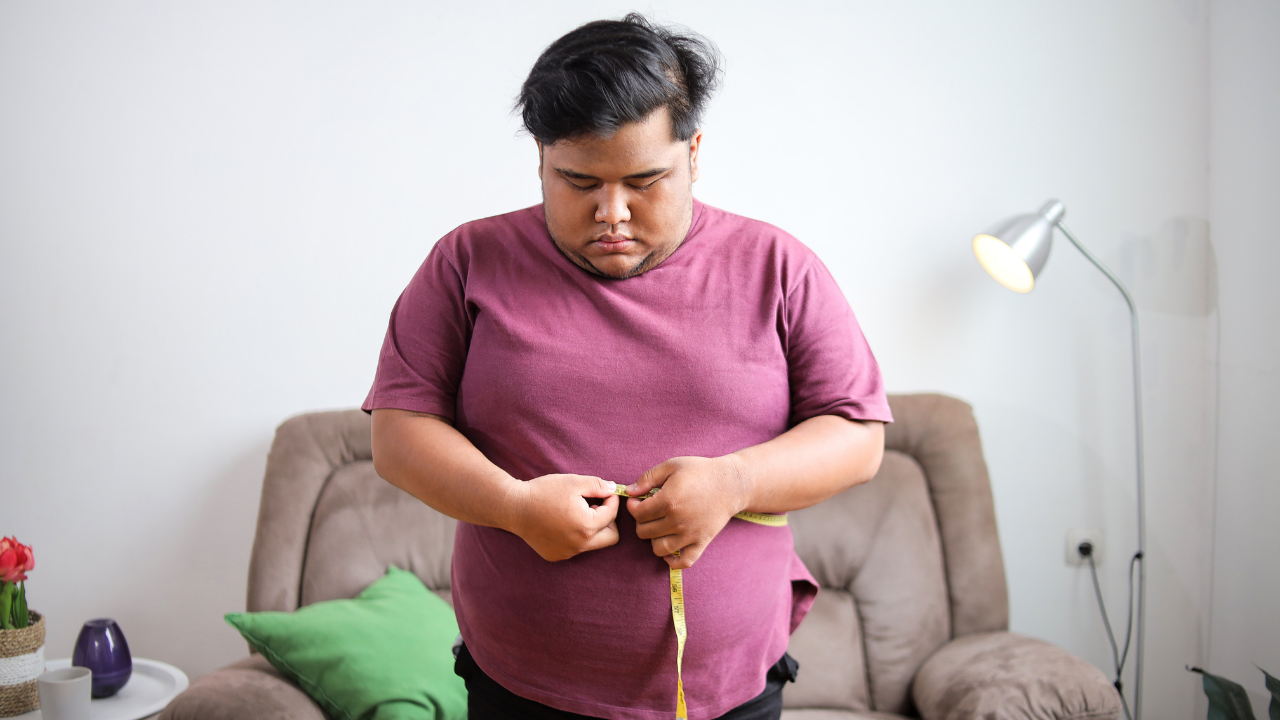
Here are common challenges during Ramadan:
Fasting during Ramadan is similar to intermittent fasting. If you control your calorie intake, your body will start using stored fat for energy.
But eating too many calories at night can stop your body from burning fat.

If you skip sahur, you are more likely to have cravings and overeat later in the day.
For sustainable weight loss during Ramadan, include these in your Sahur in Suku-Suku Separuh portion ( 1/4 of Carbohydrate, 1/4 of Protein and 1/2 of Vegetables in your plate):
This helps keep your blood sugar steady and prevents sudden fatigue.

Sweet drinks are popular at Ramadan bazaars in Malaysia, but these liquid calories are a major cause of weight gain. To support weight loss:
Keep in mind always practice portion control by following Suku-suku Separuh Guideline!
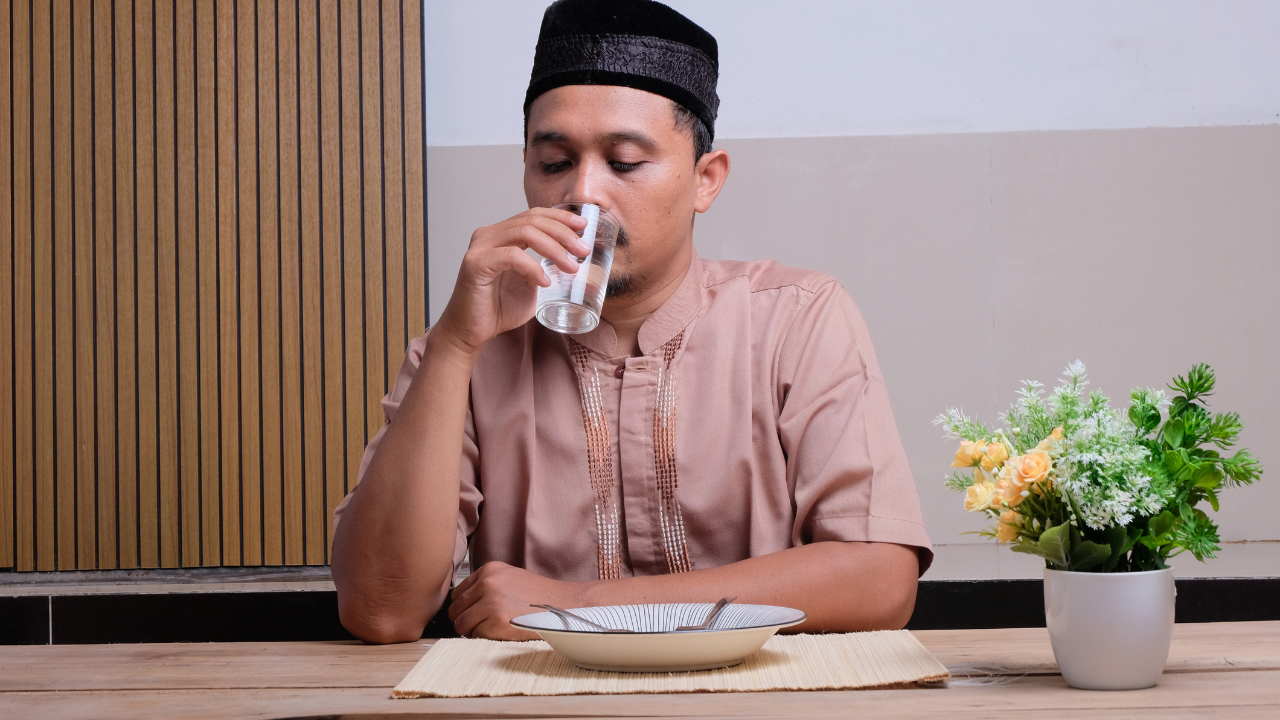
Try to drink 2 to 2.5 liters of water between iftar and sahur. Dehydration can lead to:
Choose plain water or unsweetened drinks instead of sweetened ones.

Best timing:
Other suitable activities are strength training such as lunges, squats and planks. You can also do stretching or yoga during Ramadan
Staying active helps you keep your muscles while you lose fat.
If you have these:
Talk to your doctor before trying to lose weight while fasting. Weight loss during Ramadan should be slow and steady, not extreme weight loss, not Just the scale that everyone should focus on Healthy weight loss during Ramadan should aim for:
Crash dieting may lead to muscle loss and a slowed metabolism which is not good for your body and might lead to weight gain instead. Crash diet can cause you to lose muscle and slow your metabolism. Instead of buffet excess, sugary drinks daily and late-night overeating, shift towards healthy choices such as mindful eating, sugar reduction, balanced meals and regular movement during Ramadan.
These changes support Malaysia’s national effort to fight obesity and diabetes. By reducing sugar intake, controlling portions, and maintaining activity, a fasting month can nourish our bodies and the important thing is helping us to reduce our weight.
What do you think about your diet intake during Ramadan?
A pre-employment health screening is a common requirement before starting a new job. But what exactly is it, and why do candidates need to complete it before certain roles?
A pre-employment health screening is a medical check that employers ask candidates to complete. It helps confirm if you are physically and mentally fit for the job. This ensures you can work safely, stay productive, and avoid risks to yourself or others. These screenings often include physical exams, blood and urine tests, vision and hearing checks, and sometimes drug tests, depending on the job.
Typical Elements of General Pre-Employment Medical Examinations
The most common pre-employment health examinations consist of:
Physical examination and medical history
- Vital signs (BMI, blood pressure)
- Tests of hearing and vision
- Analysis of urine
- X-ray of the chest
- Drug testing (based on position)
- Fitness-for-work report for employer records
Medical providers in Malaysia offer packages that include these tests, such as standard check-ups, physical exams, chest X-rays, urine FEME, and drug tests. Depending on the job, you might also need extra tests like ECG, HIV screening, or Hepatitis B screening. Here are the tests required for different industries:
Food & Beverage / Food Handling
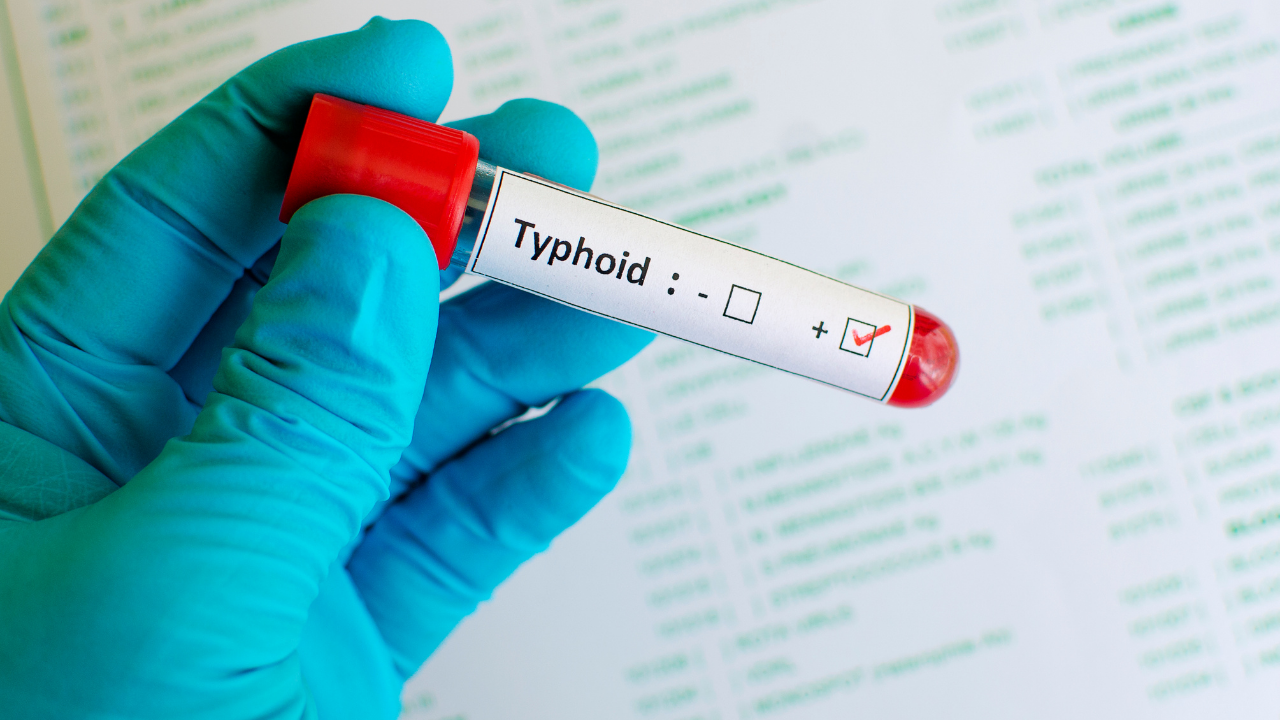
Typhoid vaccination and medical checks are necessary to ensure food hygiene fitness.
Hepatitis A and B screening is often recommended to meet hygiene and safety needs.
Construction
A general medical exam is required for CIDB Green Card holders.
Drug and alcohol testing is needed for safety-sensitive roles.
A physical fitness assessment is especially important for high-risk tasks such as working at heights.
Manufacturing & Factory Workers
Pre-employment medical surveillance is necessary based on exposure to chemicals, noise, and dust.
Audiometry tests for hearing and spirometry tests for lung function are required for those exposed to hazards.
Blood and urine tests are conducted to assess workplace exposures.
Oil & Gas / Offshore
Offshore-specific medical exams are necessary, such as those under OGUK standards.
Fitness tests ensure emergency response readiness.
Lung and hearing tests are given due to high exposure environments.
Aviation
Authority-mandated medical exams are required, including CAA Class 1 and 2 exams.
Comprehensive vision, hearing, and cardiovascular screening is necessary.
Transport & Logistic
A JPJ medical check is needed for commercial licences, including GDL and PSV.
Vision and hearing tests, along with drug and alcohol screening, are required for drivers.
Healthcare Workers
Screening for communicable diseases such as Hepatitis B and TB is necessary.
This screening often occurs annually or periodically, in addition to the pre-employment checkup.
Is it compulsory?
Whether the screening is required depends on the company, but for some roles and responsibilities, it may be mandatory.
Price Range
The cost of pre-employment screening usually starts at around RM 67 and can go above RM 300, depending on the tests your company requires.
Where to do the pre-employment screening?
Good news. You can walk in or book an appointment at any clinic near you. This medical check-up is available at clinics throughout Malaysia.
Looking for a pre-employment medical package near Bandar Puteri Puchong? Contact Vealth.me Clinic at 011‑6266 3957 for convenient and comprehensive screening!
A lot of people, especially women, are really sensitive towards body weight, but do you know that your weight on a scale does not reflect your true health? We can see that everyone tries to categorise those below 60kg as considered thin and more than 60 kg as considered being overweight; this is what social media feeds us. Other than that, people also choose to determine their health based on BMI classification as below:

Based on the Malaysian population, a BMI of more than 27.5 is considered obese but the BMI is solely based on weight and height, not the entire body composition. Thus, even though you are already obese , BMI doesn’t mean that you are not healthy! But why is that?
First of all, what does weight actually reflect on your body? The domestic measuring scale only shows your weight, but your weight is actually more than that!
What is our body made of?
a. Water - About 70% of the human body is made of water. It is important to know how much water your body contains.
b. Muscle Mass - This includes skeletal muscles that help in movement, smooth muscle (organs), and cardiac muscles at the heart. As you know, more muscle can increase metabolism and strength.
c. Fat - There are two types of fat in the human body, which are subcutaneous fat and visceral fat. Subcutaneous fat is the fat that is underneath your skin, whereas visceral fat is in your abdominal area, the fat that surrounds your internal organs.
d. Organ and other tissue- It might be a small amount, but it is still considered part of the body.
The domestic measuring scale is unable to measure all of it and this is why it is not accurate at all. Two different people might have similar weights, but the amount of fat and muscle varies. A person with higher fat is associated with at risk of getting a disease and considered not really healthy, but it is a different story for someone with high muscle mass. You might don’t have the overall picture of the body composition analysis, and here we show the real example.
BCA Composition Report Sample and Interpretation

This is a report from Inbody Body Composition Analysis, it is a machine that uses small electric charges around your body to measure everything in the body. This method is called bioelectrical impedance analysis (BIA). When people step on the scale, it will send a small and harmless electrical current through the body, and the resistance encountered by the current will go through different tissues in the body, which includes fat, muscles, and water, to calculate your body composition.
This is why people are required to step on the analyzer barefoot so that the electricity is able to pass through the body; a sock is an insulator and the analyzer is unable to work well to pass through the electricity with socks on.
It’s important to know your real body composition and it might reflect what are the health risks that you might get in the future. Sometimes, a single body composition analysis will lead to other discoveries, such as a high cholesterol level or even heart disease.
Deepavali is a time of joy, vibrant gatherings, and of course, an abundance of delicious sweets and snacks. But if you’ve ever felt sluggish, bloated, or exhausted after indulging in too many murukku, laddu, or jalebi you’re not alone.
The good news? You don’t have to skip the treats to feel your best. With a few smart strategies, you can enjoy the festivities while keeping your energy stable and avoiding that dreaded sugar crash.
Why Do Sweets Make You Feel So Tired?
When you eat sugary treats on an empty stomach, your blood sugar spikes rapidly, followed by a sharp drop. This rollercoaster leaves you feeling:
- Sluggish and fatigued
- Hungry again soon after
- Mood swings and irritability

Ways to Enjoy Deepavali Sweets Without the Crash
1. Eat Sweets After a Balanced Meal
- Fiber and protein can slow sugar absorption
2. Choose Whole Grains and Legumes
- Swap white rice for brown rice or quinoa
- Add lentils, chickpeas, or beans to meals
3. Stay Hydrated
- Avoid sugary drinks
- Try: Cinnamon infused water and Unsweetened herbal tea (ginger, lemon tea)
4. Move After Eating
- A 10- minutes walk after meals helps lower blood sugar spike
Your Deepavali Challenge
This year, try:
1. Eating a fiber- rich meal first before sweets
2. Pairing every sweets with nuts or yogurt
3. Taking a short walk after big meals
Vealthme here wishing you a joyful, energized Deepavali! ✨
References:
https://pmc.ncbi.nlm.nih.gov/articles/PMC9736284/
https://www.ncbi.nlm.nih.gov/books/NBK279012/
https://timesofindia.indiatimes.com/life-style/health-fitness/diet/5-simple-tips-to-enjoy-diwali-sweets-without-spiking-blood-sugar/articleshow/114654048.cms
https://true-elements.com/blogs/blogs-by-nutritionists/celebrate-a-no-sugar-healthy-diwali?srsltid=AfmBOoqax-kw-Aa6aGzCes7uIXFQMFHQxlzeszAt_D_TKVR9V0c7FcLl
Malaysia’s monsoon season brings more than just heavy rains – it often comes with sniffles, sluggishness, and cravings for unhealthy comfort food. But did you know your diet can make or break your immunity during this damp, chilly period?
Here’s what to eat (and avoid) to stay energized, flu-free, and feeling your best all season long!
Foods That Boost Immunity

1. Citrus Fruits (Lime, Calamansi, Orange)
- Packed with Vitamin C, which strengthens your immune system by supporting white blood cell function and acting as a natural antiviral. Studies show it helps your body produce virus-fighting interferons.
2. Ginger
- Contains gingerol, a powerful compound with antibacterial and antiviral properties. It also reduces inflammation and may help regulate blood sugar.
3. Broccoli
A nutrient powerhouse with vitamins C and E, fiber, and antioxidants that could help with infections.
4. Garlic
Known for its antimicrobial and antiviral properties. Regular garlic consumption may reduce cold frequency and severity.
Foods That Weaken Immunity

1. Processed Foods
High in sugar, salt, and unhealthy fats that could suppress immune function, and most of the time they lack essential nutrients
2. Caffeine (Excess Coffee)
Dehydrates you and disrupts sleep – both critical for recovery
3. Spicy Foods
Can irritate sore throats and worsen congestion
4. Alcohol
Weakens immunity, dehydrates, and interferes with medications
5. Sugary Snacks and Drinks
Sugar cripples white blood cells, increasing the possibility of infections
6. Fried Foods
Promotes inflammation and slows digestion, making it harder to fight illness
Key Takeaways!!!
Eat More: Fresh citrus, ginger, garlic, and greens for immune support
Avoid: Processed, sugary, fried, or overly spicy foods that will slow down recovery
References
https://www.researchgate.net/publication/326668193_High_Dose_Intravenous_Vitamin_C_and_Influenza_A_Case_Report
https://pmc.ncbi.nlm.nih.gov/articles/PMC7644455/
https://www.frontiersin.org/journals/pharmacology/articles/10.3389/fphar.2022.899181/full
https://pmc.ncbi.nlm.nih.gov/articles/PMC6465033/
https://pmc.ncbi.nlm.nih.gov/articles/PMC7434784/#sec4
https://www.healthline.com/health/what-to-eat-when-you-have-the-flu#foods-to-eat
I get it, when the 3PM slump hits, that keropok or chips bag seems like the only solution. But did you know constant unmindful snacking might actually drain your energy more?
Research shows that mindless snacking (especially on high sugar, high- fat foods) can:
- Trigger poor blood sugar control, leading to energy crashes
- Cause overeating (we consume 30% more when distracted)
- Disrupt your body’s natural hunger signals
The Science Behind It
When we snack unpredictably (rather than at regular times), we’re more likely to eat out of habit or stress– not true hunger. Which can lead to:
- Reduced satiety
- Worse metabolism

5 Signs You’re NOT a mindful Snacker
Here’s How to Snack Mindfully
- Pause and Check In
- Ask yourself: “Am I hungry – or just bored/ stressed?”
- Upgrade your usual snack pick
- Craving for salty food? (From keropok → roasted chickpeas)
- Craving for sweet food? (From kuih → Fruit juice)
- Craving for crunchy food? (From chips → cucumber slices)
Why Mindful Snacking Works?
- You’ll eat less but feel fuller
- Better digestion (slowing down helps your body absorb nutrients)
- More enjoyment (food will taste 10x better when you actually taste it)
- Your Challenge: Try the “Raisin Test”
- Hold a snack (eg. peanut or raisin)
- Observe its texture, smell, weight
- Eat slowly, savoring each bite
Result: You’ll naturally eat less and enjoy more!
References
https://pmc.ncbi.nlm.nih.gov/articles/PMC5556586/
https://www.jscimedcentral.com/jounal-article-info/Journal-of-Human-Nutrition-and-Food-Science/Mindful-Eating-Applied--to-Snacking%3A-A-Promising--Behavioral-Approach-Supported--by-Research.-Summary-of-the--Symposium-Held-at-the-21st-International-Congress-of--Nutrition-%28IUNS-2017%29-8599#section-48368
Finding time to eat healthy sometimes can feel impossible, especially for Malaysia’s beloved nasi lemak. What if you could enjoy this iconic dish with all its rich flavors without the calorie guilt or that dreaded 3PM food coma?
What is Nasi Lemak?

Image Source
Nasi Lemak is Malaysia’s national dish and a true culinary treasure. Traditionally, it’s made of fragrant rice cooked in rich coconut milk, served with spicy sambal (chili hot sauce), crispy fried anchovies (ikan bilis), roasted peanuts, fresh cucumber slices, and boiled eggs.
However, this classic version can be quite high in saturated fats and with calories up to 480 calories for Nasi Lemak Ayam (with marinated fried chicken) source due to the generous use of coconut milk, deep-fried sides, and oily sambal. For busy employees who want to stay energized and healthy throughout the day, this can sometimes mean sacrificing nutrition for flavor.
Here’s a nutrient- packed, meal-prep friendly version that keeps you energized all day.
Why Does This Recipe Work?
- Fewer calories than traditional versions
- High fiber content
- Meal prep friendly
Key Ingredients
Rice: Brown rice, Light coconut milk, Pandan leaves, Ginger
Baked Chicken: Chicken thighs, Yogurt, Cumin, Coriander, Turmeric, Chili powder
Sambal: Dried chilies, Shallots, Tamarind, Coconut oil
Complete measurements and instructions: Full Recipe Here

Pro Tips for Ultimate Busy Bee Meal Pre
Ready to Transform Your Lunchbox?
Who says healthy eating has to be boring? At VealthMe, we transform meal prep into a fun team experience through our WELL-Prep Program healthier food preparation in office Malaysia!

Book a WELL-Prep Session Today!
Drop us a WhatsApp at 018-959 3957 or just visit our website at Vealthme.com!
