
Mental health is no longer a personal issue; it is a business issue. Currently, employees in Kuala Lumpur, Penang, Johor Bahru, and across Malaysia are silently battling stress, anxiety, and depression. And most employers have no idea it is going on or how much it is costing them.
A landmark study by RELATE Malaysia estimated that the cost of mental health problems in the workplace for the Malaysian economy was RM14.46 billion in one year. Absenteeism was RM3.28 billion, presenteeism RM9.84 billion and staff turnover RM1.34 billion. Krinstitute That is a large number. That is 1% of the whole country’s GDP, a silent bleed on businesses in every sector.
If you are an HR manager, a business owner, or a CEO, this article is for you. Understanding the mental health crisis in your workforce is the first step to protecting your people!

Malaysia has a much higher prevalence of mental health problems than many people know. According to the National Strategic Plan for Mental Health 2020-2025 published by the Ministry of Health Malaysia, the prevalence of mental health problems among individuals aged 16 years and above in Malaysia was 29.2% in 2015, with East Malaysia having the highest prevalence of 43% followed closely by Kuala Lumpur at 40%.
Things have not gotten better since. The National Health and Morbidity Survey (NHMS) 2023 has revealed that the depression rate in Malaysia has doubled between 2019 and 2023. WHO The same survey found that depression is currently affecting about one million Malaysians (4.6 percent of those over age 15) with nearly half of those affected reporting thoughts of self-harm or suicide.
A national study found that 53% of Malaysian working population suffer from high work-related stress with one in five employees reported symptoms of anxiety and depression. But just 13% of staff know of any wellbeing interventions in their company, even though 63% of employers recognise the impact of employee health and wellbeing on company success. There is a grave gap between knowing and doing.
The government has taken steps to address this. The Ministry of Health launched the National Strategic Plan for Mental Health 2020–2025, which aims to make mental health a priority across all ministries and agencies. The plan's core aims include reducing adolescent depression rates from 18% to 10% by 2025, with the National Centre of Excellence on Mental Health (NCEMH) leading the development of comprehensive action plans supported by WHO and UNICEF.
NGOs such as MIASA and RELATE Malaysia have also been active in raising awareness and offering support services. However, Malaysia’s Budget 2024 only allocated 0.89% of the healthcare budget to mental health, a decrease from 1.11% in Budget 2023, and still far below the WHO’s recommendation of 2.40% for upper middle-income countries. This puts a big burden on employers to deal with mental health in the workforce. And if nothing changes, the consequences will only get larger.
What happens when mental health goes ignored: The warning from Japan!
Malaysia need not look far to see where this leads. In Japan, the failure to treat workplace stress has led to a national crisis of karoshi, or “death by overwork.” Japan’s Ministry of Health, Labor and Welfare announced 1,304 recognised cases of overwork-related deaths and health disorders in fiscal 2024, with 1,057 of them involving depression and other mental health disorders, the first time that mental health cases have exceeded 1,000 in a year. Japan’s 2022 white paper showed 2,968 people died by suicide linked to karoshi in that year, compared with 1,935 in 2021.
This is not just a problem for Japan. The WHO and ILO jointly estimated that in 2021, health conditions related to overwork were associated with nearly 750,000 deaths worldwide. The lesson for Malaysian employers is clear: if stress at work and mental health struggles are left unaddressed, the human cost is irreversible. The legal and reputational cost to organisations is enormous.
Many employers think of mental health as a "small" issue. But its financial impact is very concrete. It shows up in three very specific ways: absenteeism, presenteeism, and employee turnover.
Absenteeism
The most obvious cost is absenteeism : workers are sick, or taking long-term medical leave for mental health issues. A study conducted by RELATE Malaysia estimated that absenteeism alone costs Malaysian employers RM3.28 billion a year. When employees are absent, it creates a backlog of work for their colleagues, missed deadlines, and a loss of productivity for the team as a whole.
Presenteeism : The hidden cost everyone ignores.
The bigger but less visible problem is presenteeism. It describes employees who are present at work but are not mentally present and unable to focus, make decisions or perform at their usual level because of stress, anxiety or depression. Presenteeism made up the largest part by RM9.84 billion.
Think about what that looks like in practice. An employee is at their desk every day, answering emails, attending meetings. But they are running at 50% capacity. They did errors, response times slow and customer relationships suffer. And because the person is physically present, most managers never realise anything is wrong.

High staff turnover
When employees are mentally exhausted, burnt out, or feel unsupported, they leave. Staff turnover linked to mental health costs Malaysian employers RM1.34 billion annually. Replacing an employee typically costs 50% to 200% of their annual salary when you factor in recruitment fees, onboarding time, training, and the productivity dip while the new hire gets up to speed. For a company of 200 people, even a small increase in turnover from mental health reasons can cost hundreds of thousands of ringgit each year.
A 2024 survey of 1,015 employees in Malaysia found that burnout had risen sharply from 58% in 2022 to 67% in 2024, with millennials suffering the most at 69%. If the majority of the companies in Malaysia have a workforce that is predominantly made up of employees in their 20s and 30s today, then you should be very worried about this trend.
The good news is that mental health is preventable and treatable in the workplace. And the ROI is real. The World Health Organization says on average, for every dollar a company spends on mental health support, it gets back four dollars. This isn’t charity but it’s smart business.
Here is what a practical, effective corporate mental health program looks like:
1. Mental health talks and awareness workshops
The first step is to break the silence. Many employees suffer in silence, not realizing that what they are experiencing has a name, or that help is available. The conversation starts with a formal mental health discussion – carried out in the workplace by a trained professional. It normalises the subject, reduces stigma and helps employees identify warning signs in themselves and their colleagues.
Topics covered in these sessions can include managing stress, recognising burnout, building emotional resilience and when to seek professional help. At Vealth.me, our mental health talks on site are customized to your team’s industry and challenges.
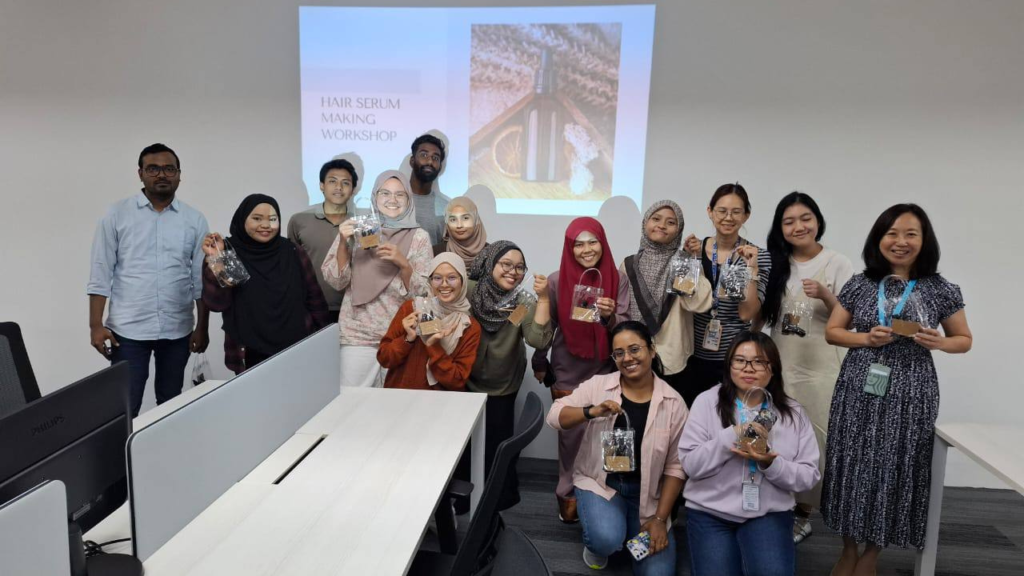
2. Stress-release and team bonding activities
Chronic workplace stress accounts for most mental health decline at work. Activities that get employees to laugh, unwind and reconnect with their colleagues are not just “fun” but they are therapeutic. Art therapy sessions which are one of the most effective tools for employees to express difficult emotions in a safe, non-verbal manner. Team bonding activities with wellness features are a long-term investment, unlike one-off events that are forgotten in a week.
This philosophy is the cornerstone of Vealth.me’s wellness programs that are designed to blend wellbeing with genuine team connection, so staff walk away feeling better about themselves and their work environment.
3. One-to-one consultation and counselling access
One-to-one support is essential for employees who are already struggling. Employees can access confidential one-on-one consultation either with a wellness professional or a clinical counsellor, allowing for a private space to process what they are going through without fear of judgement from management or colleagues.
By introducing this as part of a corporate wellness program, employees in crisis will have somewhere to turn before a small problem becomes a serious one.
4. Long-term, structured wellness programs
One-off events don’t drive cultural change. But what really moves the needle is a structured corporate wellness program over 3 to 6 months, a blend of regular activities, health screenings and ongoing support. It tells employees that the company cares about their wellbeing, that it’s not just a box to tick during HR week.
The best thing? In Malaysia, corporate wellness programs that include mental health components are HRDC claimable, meaning you can offset the cost through your Human Resources Development Fund contributions. There is really no reason to hold out.
Mental health is not a problem of the future. It’s happening in your company right now. That is the question, will you choose to address it proactively or wait for the cost to show up in sick leave, resignations and a declining team performance.
63% of employers in Malaysia acknowledge that employee health and wellbeing impacts organisational success but only 13% have taken formal steps to act on it. That’s an opportunity. Companies that invest in the mental health of their people today will have healthier, more loyal and productive teams tomorrow.
If you are looking for a mental health program for your employees, contact Vealthme today. Our team of certified wellness professionals designs customised programs for companies across Malaysia, from mental health talks and stress management workshops to team bonding activities and one-to-one counselling. We come to your office, so there is no travel time and no disruption to your workday.
Reach out to us at vealthme.com or drop us a message at [email protected] to find out how we can support your team.
An EAP or Employee Assistance Program is a program that employers can conduct to support employees on well-being in the workplace. All programs are designed to assess, monitor and create an impactful result on employees’ well-being and this program is also one of the pillars of employee welfare.
As the new year is coming soon, it’s the perfect time for companies to reflect, recharge and refocus on employee well-being. Talking about mental health, most people will think about psychology and mental health consultation, but it is actually not only that; it is something that everyone can do and feel happy about it.
If you are looking for activities for your employees, here are some fun and meaningful wellness activities your company can organize to wrap up the year on a healthy note!
Stress-Relief Workshop
Help employees manage burnout before the new year through relaxation and mindfulness.
Here are some workshops that can be conducted in the workplace:
- Batik Painting
- Terrarium Making
- Tufting
- Mosaic Making
- Claydoll Making
Corporate Wellness Challenge
When talking about corporate wellness challenges, everyone think about a comprehensive program such as weight loss programs or wellness day challenges, but do you know that it is actually much simpler and requires less manpower as people think?

A corporate wellness challenge can be as simple as having a lunch with a complete and balanced meal or a hydration challenge by taking 8 glasses of water a day. Hosting a simple challenge can help create habits that can make a big difference in team health and well-being.
Here are a few easy challenges that can be conducted in the workplace.
- Creative fruit challenges
- Non-fried food challenges
- Less oily food challenges
- 1 week no sugary beverages challenge
A simple yet effective way to build a small habit.
Year-End Health Screening
Encourage employees to check their health status before entering the new year. Companies that provide medical benefits that are claimable for all employees, do not forget to remind all employees to utilize them before it gets forfeited.

It is recommended to conduct a health screening at least once every half-year; providing health screening for employees at year-end is one of the good programs for them! Not to mention that a healthy body will create a healthy mind. Mental health starts from within.
Prevention is better than a cure!
Mental Wellness Talk
Mental wellness talks can be conducted in many different ways. Conducting a mental wellness talk by a Certified Clinical Psychologist will be a good step for employees to be aware of their mental health status. There are many topics to choose from that’s related to mental wellness, such as clarity talk, self-love talk or even how to create boundaries in the workplace.

From the mental wellness talks, hopefully it will help to create a safe space for employees to discuss stress, boundaries and mental health awareness.
Wellness Appreciation Wall
It might sound like nonsense, but an appreciation wall can help boost our mental health.
Let employees share gratitude messages and positive affirmations to each other. It is a simple yet powerful morale booster. Create an appreciation wall where everyone can cheer for each other. This will create a space where employees feel they belong to each other. The sense of belonging in the workplace is one of the reasons why employees feel safe and increase loyalty.

Now, as you know, the EAP program for mental health is not as complicated as you might think.
It is as easy as ABC if you know the concept of bringing or boosting mental health, especially in employees with high stress levels in a corporate setting.
When people think of wellness activities, they often assume it’s expensive or time-consuming. But the truth is, wellness can be as simple as taking time to relax your mind or release stress and it doesn't have to take more than a few hours. This is the perfect opportunity to reconnect with yourself after a long, stressful day at work. Consider it a quick escape for your busy mind. Here are 10 wellness activities you should try in Kuala Lumpur:
No. 1 : Relaxing and Rejuvenating Spa

Getting a massage is a wonderful way to release physical tension and calm your mind. A spa environment promotes inner peace, especially with aromatherapy. Sessions can last up to 120 minutes, and prices can be as affordable as under RM100 per session at places like Erawan Wellness or Qi Odyssey.
No.2 : Batik Painting

Batik painting is not only a cultural experience but also a mindful activity that encourages creativity and emotional release. It’s an uplifting way to spend your time. You can try a session at Pasar Seni, with prices starting as low as RM30.
No.3: Yoga or Pilates

Joining a yoga or Pilates class is a great way to restart your health and wellness journey. Many studios are available right in the heart of KL. Group classes also provide a chance to connect with like-minded individuals, you might even make new friends to accompany you in your next session.
No. 4: Forest Therapy & Hiking

To feel refreshed, nothing beats connecting with nature. Hiking is a great way to break a sweat and release endorphins, the “happy” hormones. For beginners, Taman Tugu is a good start.
Other trails like Bukit Gasing, Bukit Broga, and Bukit Kiara offer intermediate challenges. If you’re up for a more advanced climb, try Gunung Nuang or Klang Gates Quartz Ridge (Bukit Tabur).
No.5 : Walk or Stroll in the Park

Walking is a free, underrated wellness activity that helps both the body and mind. Here are some parks in KL easily accessible by public transport:
No.6 : Karaoke for Healing

It may sound like just entertainment, but singing is proven to improve emotional health. Music and singing help release dopamine and endorphins and natural feel-good chemicals that can lift your mood. Whether you sing alone or with friends, karaoke can be a fun and effective form of stress relief.
No.7 : Tufting Workshop

Tufting-making your own rug or art piece and is a hands-on, trendy activity that brings both creativity and satisfaction. It’s a great way to focus your energy and create something unique with your own hands.
No. 8: Mindfulness & Breathwork Workshops

Guided breathwork and mindfulness sessions help calm the nervous system, reduce anxiety, and improve focus. Look for studios or wellness centers in KL offering weekend workshops or drop-in classes.
No.9 :Weekend Wellness Retreats

Escape the hustle of the city with a weekend retreat focused on yoga, clean eating, and digital detox. Places like Beacon Resort, The Dusun, Titi Eco Farm, or The Acres Resort offer packages perfect for a short getaway.
No. 10 : Join a Weekend Wellness Group

You might not know this, but platforms like Meetup and Eventbrite host communities with shared wellness interests.
From walking clubs to book circles and yoga groups, you’ll find free or low-cost activities that promote mental well-being. Joining such communities can reduce stress, combat loneliness, and even ease symptoms of depression.
Who here are night owls?
We believe that we cannot sleep early because we’re used to it, and think it’s okay to continue. In fact, you might feel cranky in the morning. But what’s the reason behind this? Is it normal?
In our brain, there’s a section called the prefrontal cortex, responsible for controlling emotions. When you don’t get the recommended 7–8 hours of sleep, your prefrontal cortex becomes weaker, making it harder to regulate emotions, leaving you moody and impulsive.
Many people overlook the science behind sleep deprivation and think it’s not important to get good quality sleep. But here’s what happens when you don’t:
Memory issues and poor concentration
- Lack of sleep raises stress hormones like cortisol, which interferes with the hippocampus which is the brain’s memory center.
Weakened immunity
- During deep sleep, your body produces T-cells (lymphocytes) and cytokines that help fight infections. Without enough rest, your body makes fewer of them.
Weight gain
- Poor sleep increases ghrelin (hunger hormone) and decreases leptin (satiety hormone), making you hungrier and less satisfied after eating.
Increased risk of diabetes
- Sleep deprivation disrupts insulin production and secretion, which is crucial for lowering blood sugar.
Higher risk of heart disease
- Poor sleep raises cortisol and inflammation, which damage blood vessels and promote plaque buildup. Along with higher blood pressure and weight gain, this raises your heart disease risk.
Low sex drive
- Lack of sleep reduces testosterone in men and estrogen in women, both essential for libido and sexual function. Fatigue shifts your body’s focus to survival, not reproduction.
Lack of sleep also lowers productivity, especially when work requires focus. Worse, it can cause microsleep, which is extremely dangerous if it happens while driving, leading to fatal accidents.
Awareness about sleep is still lacking, and many people don’t take it seriously. It may seem trivial, but poor sleep can deeply affect quality of life. Many of us drag out bedtime by endlessly scrolling social media or binge-watching. This “me time” often replaces actual rest.
How to Ensure Good Quality Sleep?
1. Maintain a sleep schedule
- Help your body’s biological clock stay on track.
- Set a consistent bedtime and wake-up time.
- Aim for 7–9 hours of uninterrupted sleep each night.
2. Create a bedtime routine
- Signal your body, it’s time to rest at least 30 minutes before sleep.
- Take a warm shower, read a book (not on your phone), or practice relaxation like stretching, deep breathing, or meditation.
3. Optimize your sleep environment
- Keep your bedroom dark and quiet.
- Use blackout curtains or an eye mask.
- Minimize electronic distractions.
4. Be mindful of your diet
- Avoid caffeine or alcohol before bed.
- Don’t overeat at night, as it may cause discomfort.
- Limit fluid intake to prevent frequent bathroom trips.
These tips can help improve sleep, but if you struggle with conditions like sleep apnea or chronic insomnia, it’s best to seek professional help from a doctor or clinical psychologist.
What do you think when people talk about stress test?
Some people might think that it’s about mental stress, on how to cope with life problems, and most people are stressed out about financial, workplace and family problems.
Let’s us correct the misconception of stress test.
Actually, it’s not about mental stress at all. It’s about our physical health test. Stress test is a part of medical check-up, it’s a test that shows our heart works during physical activity. This test only can be done in hospital settings under a close doctor’s supervision.
What do we do during stress test?
Patient will run on a treadmill, and patient’s heart rate will be assessed during this test. How the process works? As your body works harder during the test, it requires more oxygen and as a result, our heart must pump more blood to cope with the oxygen capacity needed throughout the activity. This test can show if the blood supply is reduced the arteries that supply the heart.
Why this test is important?
This test might be a excellent test to diagnose certain heart problems such as:
It’s absolutely nothing about mental health! It’s about our physical health!
As for mental health issue, we do have test that is specifically created to assess our mental health status such as DASS test. DASS test is Depression, Anxiety, and Stress which is completely different from Stress Test that many people imagine.
Get something today?
Do contact us now, if do you wish the get a stress test or medical checkups or even DASS test for your company! We are one-stop medical and health provider that will help you!
