

In the realm of flexible work we have come a long way. What began as a temporary solution during the pandemic has become one of the most significant long-term workplace strategies available to organisations today. More than ever, organisations are experimenting with things like remote work, hybrid models, flexible hours, compressed workweeks and results-based schedules and employees are asking for them.
Flexibility is often sold as a work-life balance benefit. And that is it. But its real impact goes much deeper and impacts employees’ physical health, mental wellbeing, productivity and overall quality of life.
For HR professionals, People & Culture teams and business leaders understanding these health impacts is no longer optional. We need to design policies for the workplace that truly support employee wellbeing and business performance.
What is Flexible Work Arrangement?
Flexible Work Arrangements (FWAs) offer employees more control over when, where or how they work. Examples are typical of home-based work, flexible or condensed workweeks, shift work, and other telecommuting alternatives. The aim is simple: Give employees more freedom but keep the business productive and operations running smoothly.
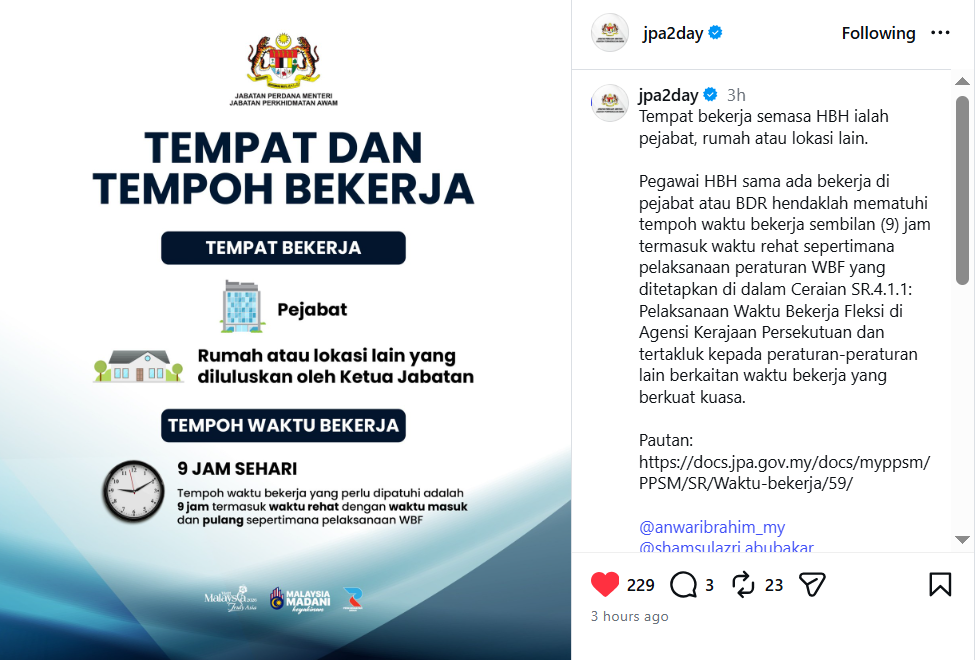
Recently, a significant step forward for a more flexible and contemporary working environment is the recent introduction of a hybrid working arrangement for civil servants in Malaysia. Under this arrangement, eligible civil servants are permitted to work three days in the office and two days from home. The goal of this program is to improve employee well-being and to continue the delivery of high quality and efficient public services.
The hybrid model offers the potential to improve productivity, job satisfaction and employee engagement in general by reducing commuting time and creating more work-life balance. It also supports the government’s digital transformation agenda by encouraging technology-enabled collaboration and performance based on outcomes. As workplaces continue to evolve, hybrid working is a progressive practice that focuses not only on organizational effectiveness but also the wellbeing of the workforce.
Flexible Work Arrangements: How They Enhance Employee Wellbeing
1. Reduced Stress Levels
Flexibility eases the strains of daily life. Employees deal with traffic jams, long commutes, childcare and family responsibilities and general time pressure on a daily basis. These flexible arrangements allow them to cope better with these demands, and in turn, to have lower stress levels and better mental wellbeing overall. And when stress is down, focus, engagement and productivity go up.

2. Improved Work-Life Balance
Work-life balance continues to be a high priority for employees everywhere. Flexible schedules allow employees to attend medical appointments, care for family members, find time for regular exercise and just spend more quality time with family and friends. Employees who feel more in control of their time consistently report higher job satisfaction and greater overall wellbeing.

3. Ways to Keep Moving
It can be difficult to squeeze in a workout with traditional 9 to 5 office hours. Flexible arrangements enable a morning workout, a walking break, working out at home, active commuting, and leisure or sport activities. Regular physical activity is good for your heart, helps you manage your weight and lowers your risk for chronic disease and benefits that add up over time.

4. Better Sleep Quality
Long commutes and set schedules are often the cause of sleep deprivation. Flexible work means employees have more scope to rest and recover and that’s more important than people realise. Better sleep leads to better concentration, better mood regulation, better immunity and higher productivity. Even getting 30 to 60 more minutes of sleep a night can have a big impact on your overall health.

5. Less Likely to Infect Others
Remote and hybrid work environments inherently limit the spread of illnesses such as flu, COVID-19 and other respiratory infections. Having fewer people in shared spaces can lead to less absenteeism, fewer outbreaks in the workplace and better business continuity. This advantage was especially apparent during the COVID-19 pandemic and is still valid today.
The secret health price of flexible working.
Of course, flexibility has its downsides too. It’s also interesting to understand the trade-offs, and to design policies that actually work.
1. Rising Sedentary Behaviour
“Without a commute or the organic movement of an office, walking to meeting rooms, chatting by the coffee machine, many remote employees find themselves sitting in longer stretches. This can result in weight gain, bad posture and increased risk of heart disease over time. It is important that employers encourage movement and activity breaks throughout the day.

2. Life-Work Blending
One of the biggest challenges of remote work is knowing when to shut it down. Without clear boundaries, employees may find themselves checking email after hours, working longer days than they intended or feeling like they are “always on.” If left unchecked it can lead to stress, burnout and mental fatigue.

3. Isolation From Society
The office is more than a place to work; it’s a place to connect, collaborate and support one another. Remote employees can feel isolated, less connected to their teams and a weaker sense of belonging. To overcome this, regular communication and intentional team engagement are critical.
4. Poor Home Workstation Setup
Not all employees have an ergonomic home office. Bad workstation setup can lead to neck, shoulder and back pain and eye strain. A good way to reduce these hazards is to provide ergonomic tips and wellness education.
Employers Supporting Wellness in Flexible Work Environments
Flexibility is most effective when coupled with a real commitment to employee wellbeing. Routine health screenings enable employees to track key health metrics and catch potential issues early, while virtual and hybrid wellness challenges keep healthy habits top of mind, no matter where employees are working from.
Employee Assistance Programmes (EAPs), wellbeing talks and easily available resources provide mental health support that helps staff deal with stress and increase resilience, while wellness workshops covering topics such as nutrition, sleep and ergonomics equip them with practical tools to make healthier choices.
Team collaboration efforts such as virtual coffee chats and regular check-ins are also critical in helping to keep culture and connection alive across a distributed workforce.

Why This Matters to Business Leaders
The benefits of flexible work go far beyond individual wellbeing. When organisations get workplace flexibility right, they often see higher employee satisfaction, stronger retention, greater engagement and lower absenteeism, as well as a stronger employer brand and more resilient workforce overall. With workplace expectations evolving, flexibility is fast becoming a real competitive advantage in drawing and keeping top talent.
Flexible work arrangements can dramatically improve employee health through decreased stress, improved work-life balance, better sleep and healthier lifestyle choices. But organisations also need to be mindful of the trade-offs such as sedentary behaviour, social isolation and burnout risk.
The most successful companies view flexibility as part of a bigger wellbeing puzzle, combining it with health screenings, wellness programmes, mental health support and employee engagement initiatives. Organisations that focus on flexibility and wellbeing are not just ticking a box. They work to build workplaces that are healthier, happier and more productive.
Want to Enhance Employee Wellbeing?
At Vealth.me, we help organisations build healthier workplaces through corporate health screenings, wellness programmes, wellness challenges, health talks and employee wellbeing initiatives tailored for modern work environments.
Contact us at 018-959 3957 or just send a message through enquiry form today to learn more about how we can help you with your employee wellness strategy.

