
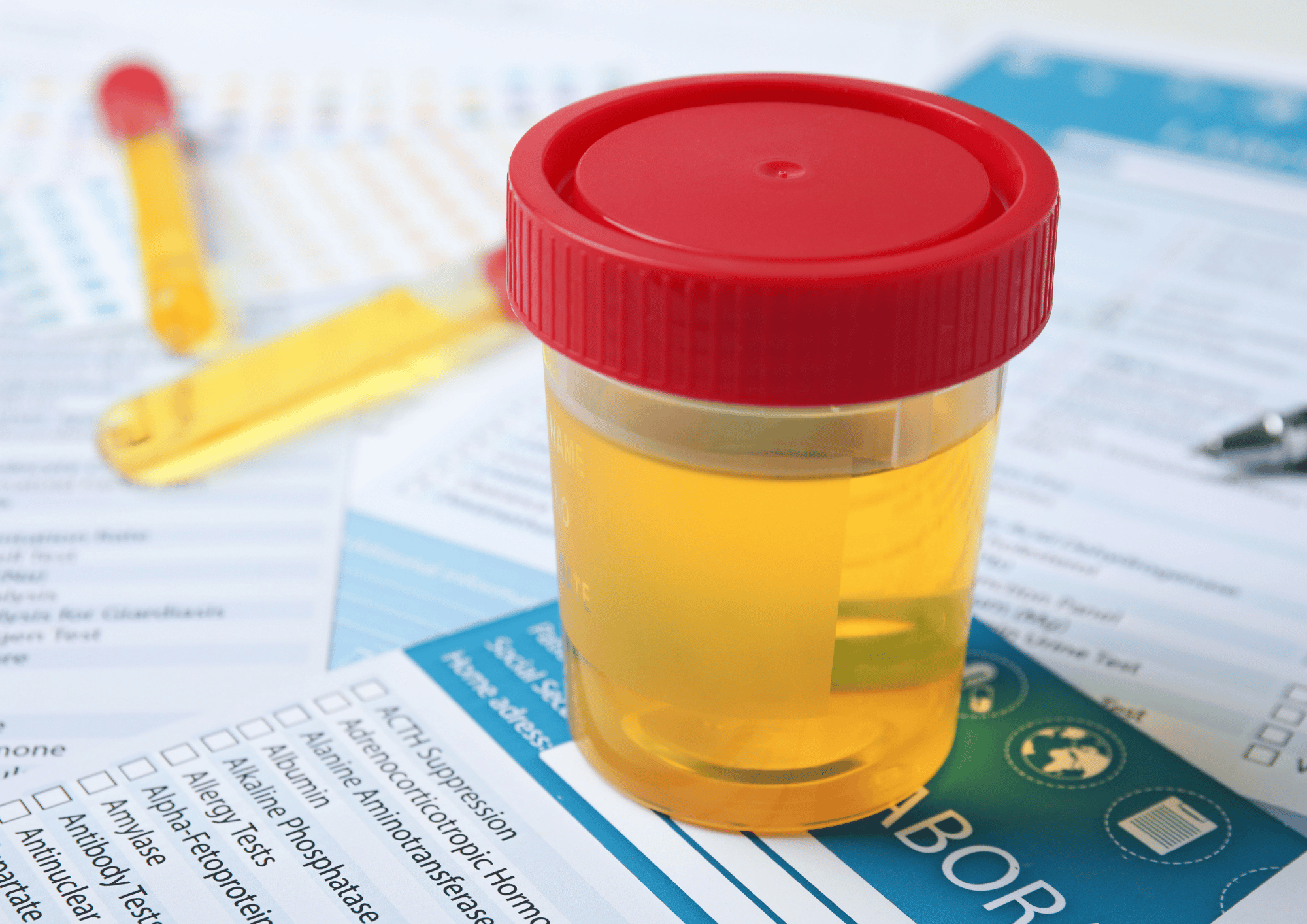
Drug testing is back in the national spotlight in 2026. Following the arrest of a Malaysia Airlines pilot in Jakarta on drug-smuggling charges, the Civil Aviation Authority of Malaysia has mandated 100% screening of active flight and cabin crew, and commentators have called for similar risk-based screening standards for other high-risk sectors such as trucking, rail, heavy machinery and critical infrastructure.
For HR teams outside of aviation, the episode raises a practical question many have been quietly asking for years: can our company test candidates for drugs before we hire them, and if so, how do we do it right?
This guide covers what Malaysian employers can and cannot do regarding standard pre-employment drug testing.
Is Pre-Employment Drug Screening Legal in Malaysia?
There is no single law in Malaysia that stipulates the rules of drug testing one by one. Instead, employer practice is set by a combination of:
- The Employment Act 1955 which regulates the disciplinary process and fair treatment of employees.
- The Occupational Safety and Health Act 1994 (OSHA) imposes a duty of care on employers to ensure a safe workplace
- Guidelines on Preventing and Responding to Drugs and Alcohol Problems in the Workplace, Department of Occupational Safety and Health (DOSH)
- The drug test result is sensitive personal data under the Personal Data Protection Act 2010 (PDPA).
To summarise, the general position is that pre-employment drug testing is permissible in Malaysia but it is not a free pass. Employers must act in good faith, test reasonably and proportionately to the actual risk of the job and have a clear written policy before testing anyone.
In short: You can test, but you need a defensible rationale and a proper process.
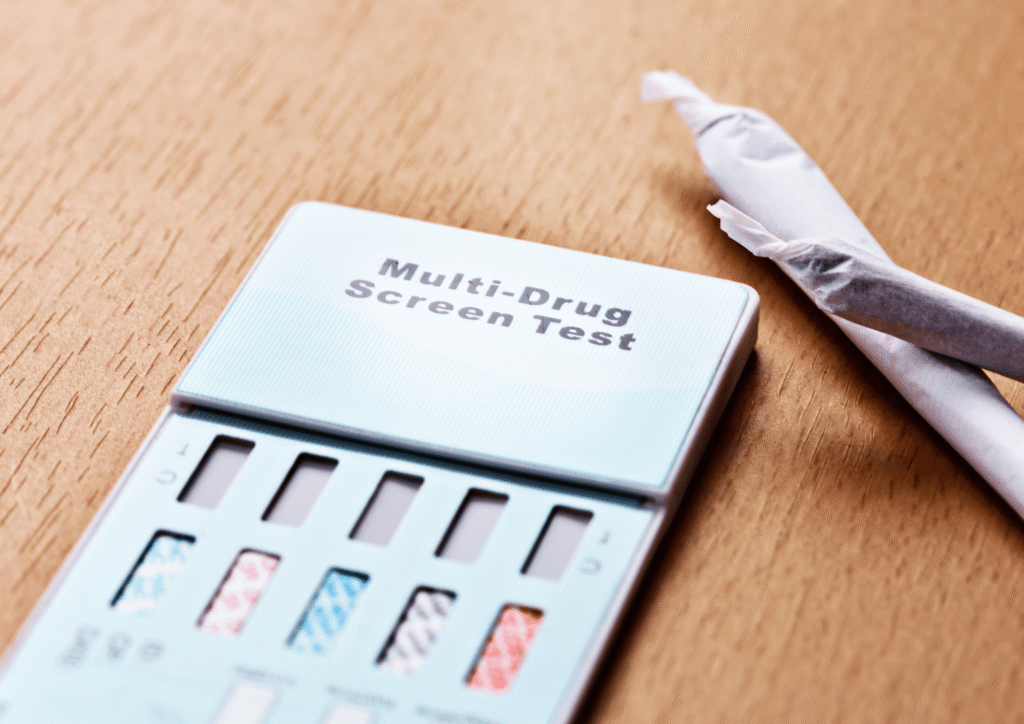
What Can Employers DO?
1. Mandate testing as a condition of employment.
It's a common practice, and one that's generally accepted, to tell candidates up front that a clean drug test is a condition of being hired. Candidates can refuse, but should realise that refusal might mean the offer does not go ahead
2. Give priority to safety-critical and high-risk positions.
When testing is tied to real risk such as roles involving driving, heavy machinery, hazardous materials, safety-critical operations or public safety — it is on far firmer ground. That’s precisely why CAAM is calling for 100% screening for pilots and cabin crew, and why sectors such as trucking, logistics, oil & gas, manufacturing and construction have been leading the way in workplace testing in Malaysia.
3. Use accredited methods and providers for testing.
In Malaysia, urine, saliva and hair follicle tests are used, usually administered through an accredited clinic or lab, not informal test kits. "Using a credible third party provider ensures the accuracy of the result and protects the company from disputes down the line.
4. Demand consent and document that consent.
A drug test result is sensitive personal data under the PDPA, and an employer needs the candidate’s informed consent to do the test, and the result must be kept on a need-to-know basis and treated as confidential.
5. Spell out the consequences clearly ahead of time.
A written policy should be given to candidates before testing, explaining the consequences of a positive test for the offer, the appeals process and confidentiality.
What Employers CANNOT (Or Should Not) Do!
1. Test without a policy or without telling the candidate.
Testing without notice and without the backing of a written policy is much more difficult to defend if challenged – and may look more like an arbitrary or discriminatory practice than a legitimate business practice.
2. Blanket testing without job risk linkage.
It’s easier to defend a risk-based approach than it is to test every single candidate for every single role, no matter what the job happens to be. Regulators and commentators in Malaysia have increasingly made the case for proportionate, risk-based screening rather than blanket testing of the entire workforce.
3. Make a decision based only on uncertified test kits.
While informal or non-accredited kits can be a useful preliminary screening tool, using them alone, without confirmatory testing by an accredited lab, leaves the process open to dispute.
4. Bypass the consent and confidentiality steps.
Testing someone without explicit consent, or improperly handling or releasing results to those without a need to know, creates real PDPA exposure — apart from any employment dispute the decision itself may generate.
5. Cut off a candidate’s ability to challenge a result.
Good practice, and DOSH's own guidance, is to allow candidates to query or challenge a positive result (e.g. by asking for a confirmatory retest) rather than to treat one test as final and unappealable.
HR's Quick Compliance Checklist
Before implementing pre-employment drug screening, make sure you have:
- Documented drug and alcohol testing policy, legal review
- Clear criteria of what roles to test, and why
- An authorised partner clinic or lab for testing
- A consent form that candidates sign before any test.
- A defined process for confidentiality and handling of results
- Simple appeal or retest procedure for disputed outcomes
- Consequences of a positive result documented and stated up front
Why This Matters More Than Just Compliance
When implemented correctly, pre-employment drug testing is more than a legal shield, it’s a step toward a safer, more dependable workplace from day one. This shows candidates that your company values safety and fairness, and it protects current employees, particularly in roles where impairment could put others at risk.
When done poorly without consent, without policy, or without fair process - it can create more legal and reputational risk than it solves.
Vealth.me works with Malaysian companies to build compliant, well-managed health screening programs, including pre-employment screening suited to your industry's risk profile.
Get in touch with us to learn more about the screening policy might look like in your workplace.
Disclaimer : This article is for general informational purposes only and does not constitute legal advice. Employers should seek the advice of an employment lawyer before adopting or revising a drug testing policy.

