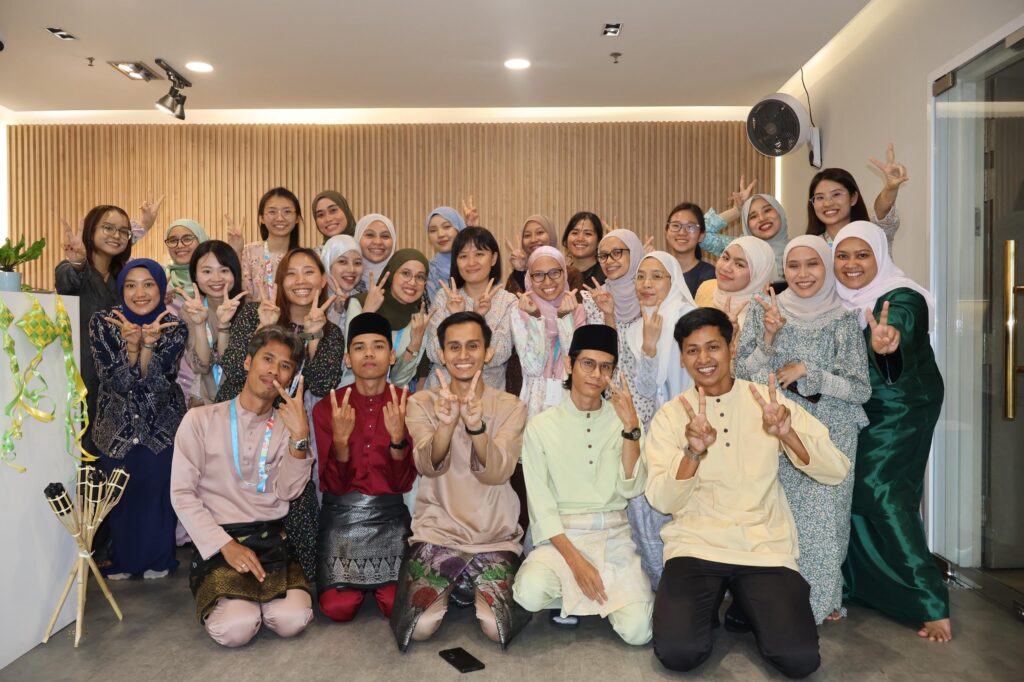
If you hired anyone born after 1997 in recent years, you’ve probably noticed something different about them.
They ask questions in interviews that previous generations would never have dreamed of : about work-life balance, mental health support, purpose and company values. They’re less concerned with job titles, more concerned with how the role will fit into their lives. And when the job doesn't meet their expectations, they bail really faster and with less guilt than any generation before them.
Malaysian employers are still playing catch-up. Many are still trying to attract and retain Gen Z talent with the same playbook that worked for Millennials and Gen X which are competitive salary, annual bonus, stable career ladder. And they get confused when it doesn’t land the way it used to.
Here's the truth: Gen Z isn’t being difficult. They’re different. And knowing what they really want and why is one of the most strategically important things a Malaysian employer can do right now.

Gen Z employees are always up to date with trends.
Who is Gen Z and why are they important today?
Gen Z is defined as those born between 1997 and 2012, are now between 14 and 28 years old. Some of the oldest have worked for many years. Most are in the midst of their prime working years now, 2025 and 2026.
By 2030, the Gen Z workforce will make up about 30% of the global workforce. In Malaysia, with its youthful population and economy that is increasingly powered by knowledge work, services and manufacturing, they already represent a sizable and growing share of the talent pool.
They are not a group employers can afford to misread. They are becoming the working class. And the companies that learn how to attract, engage and retain them will have a huge competitive advantage over the companies that don’t.
What They Really Want, According to Research?
Mental Health Support – A Must-Have, Not a Perk
This is the change of the ages. Mental health was a private matter for Gen X and many Millennials, something you dealt with on your own, in silence, and not something you would bring up with your employer. It’s an expectation of the Gen Z workplace.
Gen Z came of age during a pandemic, a global mental health crisis, and an era of unparalleled social media pressure. Statistically they are the most anxious generation in modern history and they know it. They are also the ones most likely to talk about it, seek help for it, and leave employers who ignore it.
Research consistently shows that mental health benefits are a top-three consideration for Gen Z when weighing a job offer ahead of annual leave entitlement, ahead of office perks, and often ahead of base salary increments below a certain threshold.For Malaysian employers this means that a wellness programme is no longer a nice-to-have in your HR strategy. It’s a tool for hiring and keeping people.
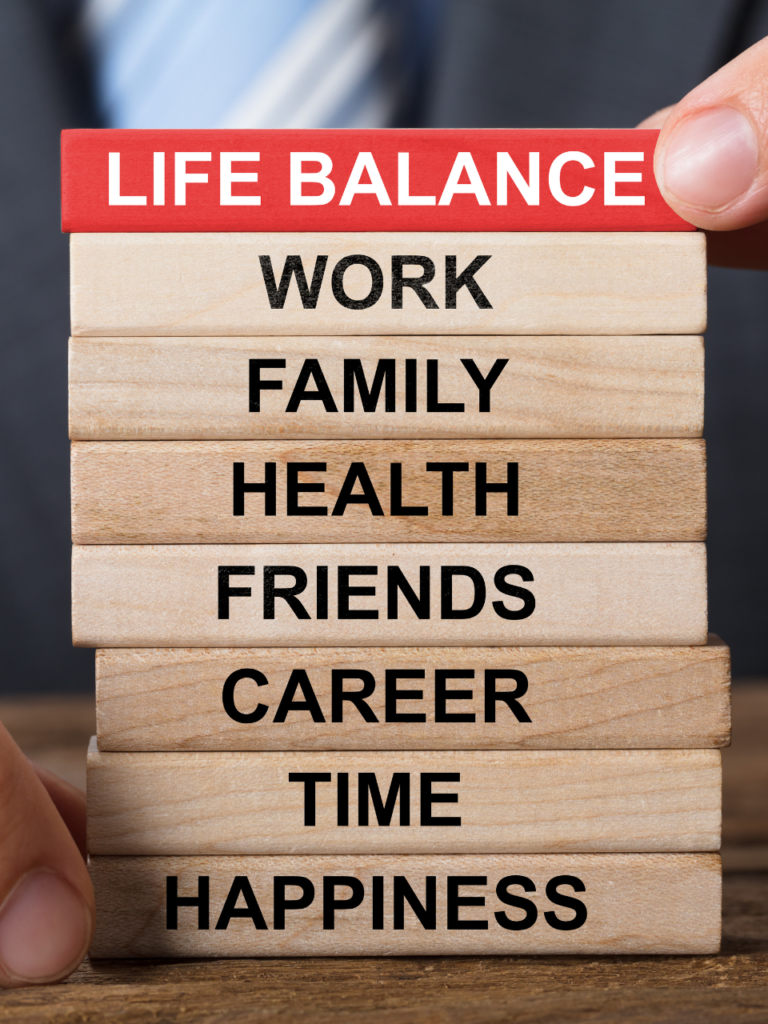
Work-life balance means no work after office hours.
Real Work/Life Balance – It’s Not Just the Policy, It’s the Reality
Gen Z has watched older generations sacrifice their health, relationships and personal lives for career progression and they’ve largely decided that’s a trade-off not worth making. They want work-life balance. They are savvy enough to know the difference between a company with a flexi-hours policy on paper and one that lives it.
They see when managers are sending messages after hours. They see if their colleagues take their full annual leave and if they feel comfortable to do so. They look to see if the culture rewards long hours or results. And if the reality doesn’t match the recruitment pitch, they update their Glassdoor review and start looking.
Meanwhile, 71% of employees of high-pressure sectors reported dissatisfaction with work-life balance in the Malaysia Well-being@Work (W@W) Index Report 2025, with the younger employees over-represented in that number. Kuala Lumpur’s poor ranking on global work-life balance indices is more than just a reputation. It's a talent pipeline problem.
Alignment of Purpose and Values
Gen Z doesn’t want to just do a job. They want to know why the job matters – and whether the company they work for has values they believe in.
This plays out in very practical terms when it comes to recruitment. Gen Z candidates do their homework on company culture, read employee reviews and pay attention to how brands behave publicly on sustainability, on social responsibility, on how they treat employees during hard times. Remembering a company that visibly invested in employee health and wellbeing during the pandemic. And people remember a company that cut benefits the moment it felt any financial pressure.
For HR leaders, this means that your corporate wellness program is not an internal project. It’s a public signal of your company’s values and Gen Z is watching.
Career Advancement and Ongoing Education
Gen Z is ambitious, just not in the same way previous generations have been. They care less about a defined promotion ladder, and more about learning velocity: how quickly they can build skills, expand their capabilities and become more valuable in the market.
They want mentorship, feedback and development opportunities built into their role and not just an occasional performance review conversation. When they’re done growing in one place, they move to the next.
There is a direct wellness dimension to this: employees who feel stagnant and unchallenged are more stressed, more disengaged and more likely to experience burnout with all things your wellness programme needs to factor in.

Gen Z loves career advancement, salary increments, and good employee benefits.
Physical & Financial Wellness Assistance
It’s easy to think Gen Z only wants mental health and flexibility. But their wellness expectations are holistic and they want support across physical health, financial health and mental well-being.
Physical side: They do well with structured wellness programs, fitness challenges and health tracking, especially when delivered via technology. App-based wellness, step challenges and group health journeys are a natural fit for how they already engage with their health in their personal life.
And, on the financial side: A study of Malaysian employees found that 40% of workers are under significant financial stress and younger employees, especially those in the early stages of their careers and with education debt, are among the most vulnerable. Financial wellness support, in the form of structured benefits, financial literacy programmes or mechanisms for salary advances, is increasingly expected, not decreasingly.
What this means for Malaysian employers: Practical implications
What the demand Gen Z has is one thing. And one translates it into HR strategy. This is how the most competitive Malaysian employers are doing things differently:
They see wellness as a recruitment asset, not just an HR function.
When your company has a structured, visible, results-driven wellness program, it’s something you can talk about in job ads, in interviews and on your careers page. "We have a corporate wellness program that has helped employees reduce their blood glucose by 50% and lose up to 19.2kg in three months" is a very different proposition to "we have a panel clinic benefit.
They have assistance during working hours.
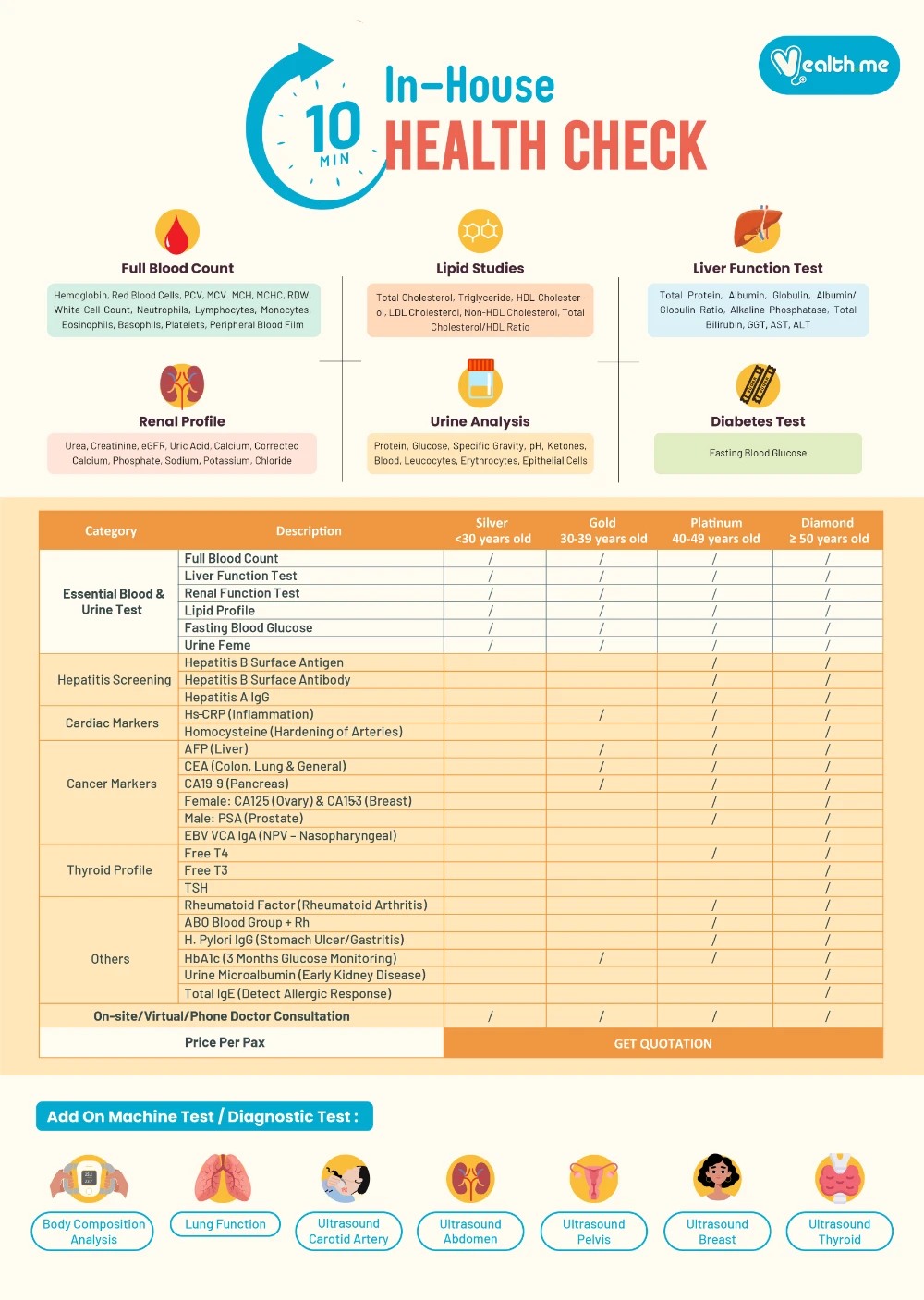
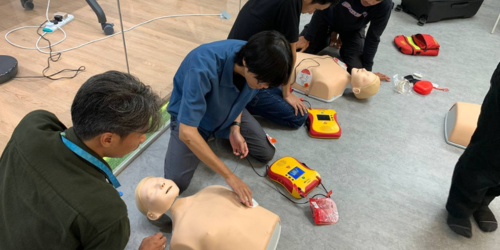
Gen Z does not want to take annual leave to go to a health screening or a mental wellness session. On-site wellness program remove the barriers that lead to wellness program going unused: health screenings at the workplace; app-based coaching, anytime; and group challenges during lunch or after work.
They measure and report health outcomes.
Gen Z appreciates transparency. Companies that demonstrate to employees, rather than tell them, that the wellness program is working, build significantly more trust and engagement. Sharing aggregated health improvement data with the workforce (“here is what our team achieved this year”) makes wellness a story we all share, not a top-down initiative.
They train managers to care about wellbeing, not just performance.
The number one reason a Gen Z employee leaves a company is their direct manager, not the company. Managers with these skills – honest conversations about workload, the ability to recognize stress and connect employees to support when they need it – are among the most potent retention tools available. It requires training, not assumption.
The Employer Brand Formula
The bottom line for business leaders is this: in a competitive Malaysian talent market, your employer brand is increasingly built on how you treat your people's health & wellbeing and not just what you pay them.
Gen Z studies employers like they study purchases.
They read reviews, talk to peers, check LinkedIn and make up their minds before they ever walk into an interview room. A company that genuinely invests in the wellness of their employees, respects boundaries, and has a history of supporting employee health will always beat a company that offers a slightly higher salary and nothing else.
And the advantage widens. Healthier employees = better performance. They last longer. They tell their friends. They are your employer brand advocates in a way that no recruitment advert ever can.
Start Creating the Workplace That Gen Z Really Wants
Vealth.me partners with Malaysian companies of all sizes to design and deliver corporate wellness programs that attract, engage and retain the next generation of talent, while delivering measurable health and business outcomes.
Because the best talent has choices. Give them a reason to pick you!
Contact us now or WhatsApp us at 018-959 3957 or Email us at [email protected] to know more about programs that attract Gen Z employees and talents.